

Brazil has experienced a surge of interest in cryptocurrencies such as Bitcoin as it has recently reported a record 3.3 million registered users of digital assets in June. This marks a significant milestone, as a growing number of Brazilians have discovered the many benefits of having a cryptocurrency wallet and trading digital assets.
- 1. Record Adoption of Cryptocurrency in Brazil
- 2. Bitcoin Bolsters Overall Crypto Usage
- 3. Nearly 3.3 Million Brazilians Trust Crypto
- 4. The Benefits and Challenges of Crypto Expansion in Brazil
1. Record Adoption of Cryptocurrency in Brazil
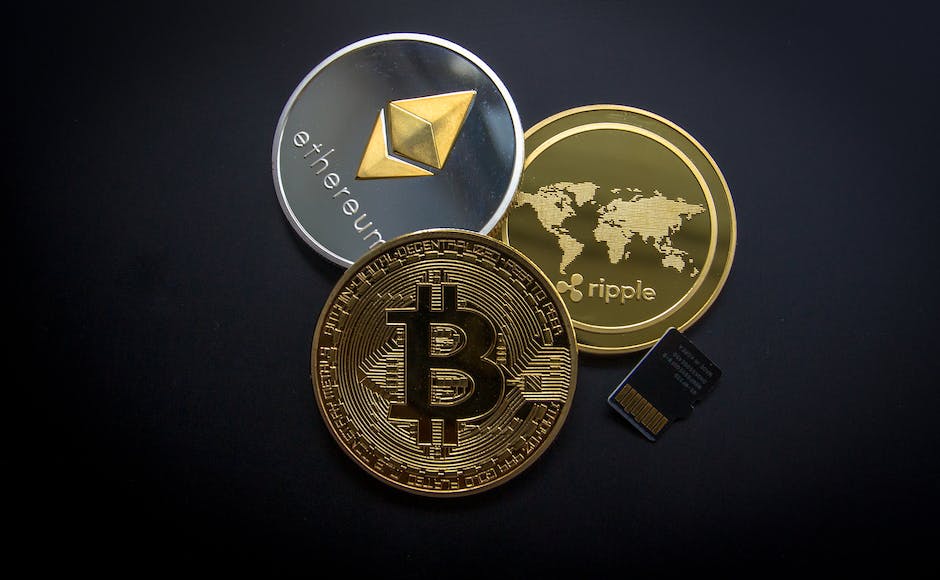
Brazil is one of the countries where cryptocurrency has been very successful, and the past few years have seen a dramatic rise in users. Bitcoin, Ripple, and Ether, as well as a few other leading virtual currencies, are popular in the country.
Adoption of Cryptocurrency
Cryptocurrency in Brazil is gaining popularity. Statistics show that more than half of the transactions in Brazil are already done via crypto payments. Furthermore, Brazil is the first country among the G20 members to adopt a secure infrastructure for blockchain based transactions. As of 2020, more companies have opted for cryptocurrency trading. The introduction of cryptocurrency ATMs and blockchain-enabled POS terminals has promoted the adoption of cryptocurrencies in Brazil.
Regulations
When it comes to cryptocurrency regulations, Brazil has been gradually developing its policy. The National Monetary Council approved a new law in 2019 that requires crypto service providers like exchanges and wallet providers to register with the Central Bank. This law was the first of its kind in Brazil. Besides setting out rules and regulations for cryptocurrency services, the Brazilian government has also taken initiatives in developing a blockchain platform that can process up to 1 billion transactions a day.
Impact on the Economy
Experts believe the adoption of cryptocurrencies by the Brazilian government and citizens will have a significant impact on the economy. The virtual currencies are expected to improve financial inclusion, reduce costs, and make money transfers more efficient. Moreover, cryptocurrencies have increasingly been seen as an investment alternative and a way to diversify investment portfolios. As a result, Brazil is likely to see more investments in cryptocurrencies and blockchain-based startups.
2. Bitcoin Bolsters Overall Crypto Usage
It is no secret that Bitcoin (BTC) offers individuals around the world complete control of their funds. By eliminating intermediaries, like banks, it empowers people to bypass national fiat-based restrictions and move funds freely and securely. As the first and most valuable digital asset, Bitcoin has become the de facto ‘store of value’ for cryptocurrency users, and has been credited for bringing mainstream attention to the industry.
Although Bitcoin is the most popular cryptocurrency, it also has a direct impact on the overall usage of other altcoins and tokens. Because almost all crypto transactions are done through Bitcoin, major price swings in the asset validate the technology and provide crucial liquidity for other digital currencies. As Bitcoin continues to climb, it bolsters the entire crypto industry to grow and develop.
Below are further ways in which Bitcoin can support a broader ecosystem and boost the usage of other crypto assets:
- Network Effects. The more users participating in Bitcoin’s blockchain, the higher the potential network effects for everyone involved. This encourages other crypto tokens to join the family, providing more use cases and further support.
- Onramps. For individuals looking to purchase other altcoins or tokens, they often must first buy Bitcoin with their fiat currency. This provides stability to all asset prices, which broadens access to the entire industry.
- Increased Liquidity. As Bitcoin’s price rises, it brings greater liquidity to the cryptocurrency sector, which helps to keep prices stable and attract more users.
Overall, it is clear that Bitcoin plays a crucial part in stimulating greater cryptocurrency usage. Its success feeds into other digital assets, and the wider potential to promote financial freedom and personal sovereignty for millions of individuals across the world.
3. Nearly 3.3 Million Brazilians Trust Crypto
Cryptocurrency’s surge in popularity in Brazil is mainly attributed to its high inflation rates. According to the IMF, inflation has consistently been around 10% in 2019. These volatile economic conditions make cryptocurrency attractive for its potential to protect wealth from inflation.
According to a recent survey by Statista, 3.3 million people in Brazil are currently invested in crypto. This is a significant increase compared to previous years; in 2019, the number of people invested in crypto was 2.3 million. This shows that more and more people are beginning to understand the power of cryptocurrency.
The Brazilian government has also taken steps to protect the cryptocurrency sector. In November, it proposed a bill to regulate the sector and protect its investors. The bill includes guaranteed investor rights, the introduction of specific taxation rules, and the regulation of crowdfunding for the purchase of digital assets.
- Inflation is a key motivator for Brazilians turning to cryptocurrency
- 3.3 million people in Brazil are invested in crypto
- The Brazilian government is taking steps to protect the sector
4. The Benefits and Challenges of Crypto Expansion in Brazil
Transparency and Efficiency
Crypto’s most attractive feature is its ability to operate without the need of third-party intermediaries between two parties, allowing the digital payment system to work in a transparent and efficient manner throughout Brazil. By operating as a peer-to-peer system, crypto also offers Brazilian businesses access to global markets and will enable them to conduct cross-border transactions without large exchange rate fees.
Security and Electronic Cash
The encryption system used by crypto provides a secure platform for financial operations. This ensures data and financial stays private and secure, which is especially important in a country where financial crimes often go unpunished. Additionally, crypto’s unique electronic cash attribute provides a new form of money storage which enables users to transact without the need of paper money.
Volatility and Regulatory Roadblocks
The major downsize to using crypto as a currency is its extreme volatility, which has led to high transaction processing fees and posed a challenge in terms of price stability for Brazilian businesses. Additionally, the country’s current lack of regulations and infrastructure for cryptocurrencies could delay its mass adoption and be a roadblock for crypto expansion within the country.
In June, Brazil doubled its number of unique crypto users, signaling strong interests in and growing adoption of digital currency. As Bitcoin continues to grow in popularity, technology experts anticipate a further surge in users in Brazil and around the world.