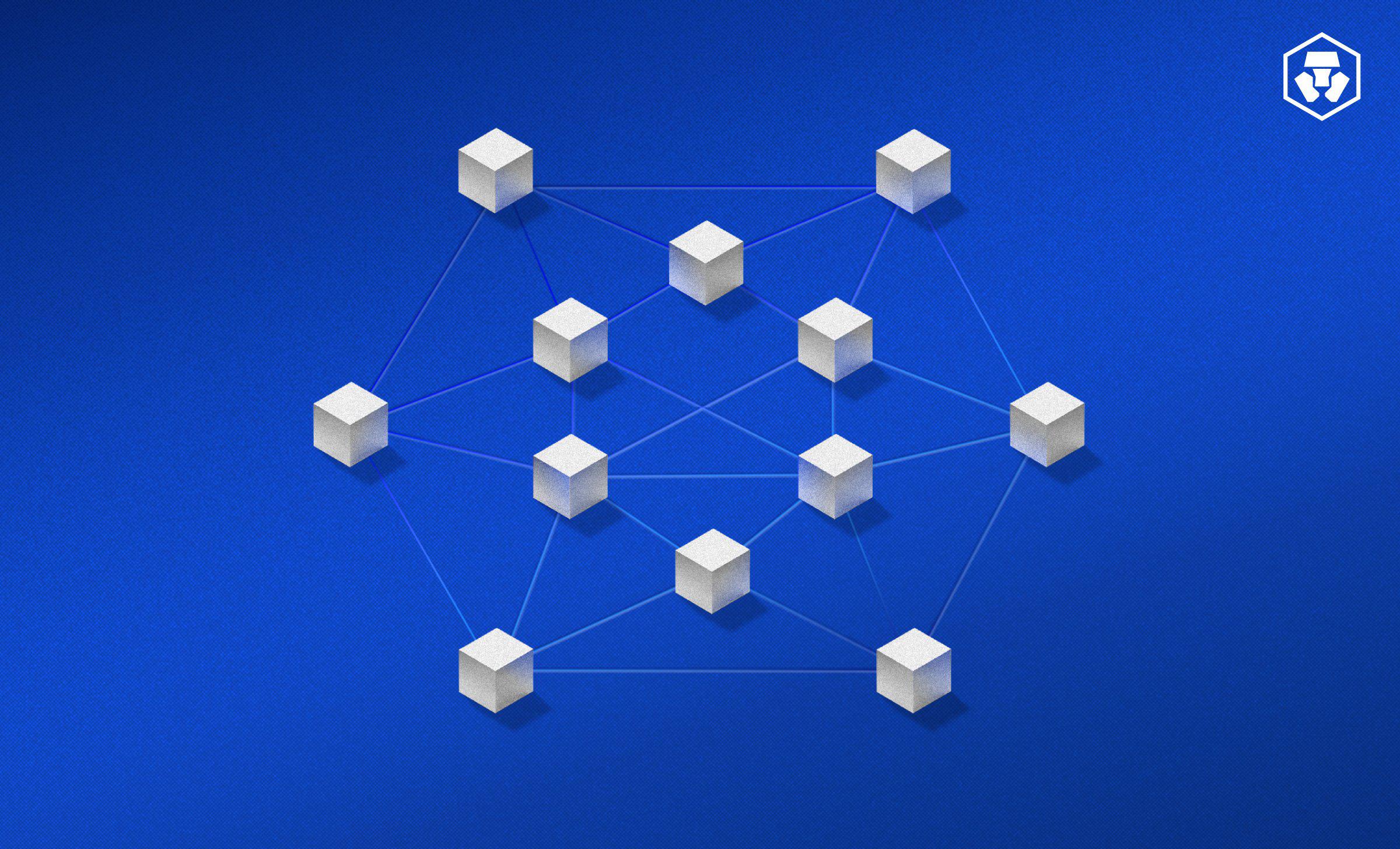
The Convergence of Blockchain, AI, and Privacy
presents a paradigm shift in the field of data management and protection. On the one hand, blockchain technology’s immutability, transparency, and decentralized nature offer significant benefits for securing and tracking personal data. On the other hand, AI algorithms can process massive amounts of data efficiently, enabling the extraction of valuable insights and predictions.
Striking a balance between data utility and privacy is crucial. Innovative solutions leverage advanced encryption techniques and privacy-preserving computation methods to ensure that AI processing does not compromise sensitive information. By combining blockchain and AI capabilities, organizations can create systems that provide secure data access and analytics while preserving the anonymity and control of individuals over their personal information.
Furthermore, the integration of AI with blockchain-based identity management systems can enhance privacy by enabling individuals to control and share their digital identities selectively. This allows them to interact with different services and platforms without revealing unnecessary personal data. As a result, users gain greater autonomy and protection in the digital world, while organizations benefit from more accurate and efficient identity verification processes.
Blockchain, artificial intelligence (AI), and privacy are three of the most important emerging technologies of our time. They have the potential to revolutionize the way we live, work, and interact with the world around us.
Blockchain is a distributed ledger technology that allows for the secure and transparent storage and transfer of data. AI is the ability of computers to perform tasks that normally require human intelligence, such as learning, reasoning, and problem-solving. Privacy is the right of individuals to control their own personal information.
The combination of these three technologies has the potential to create new applications and services that can empower individuals and protect their privacy. For example, blockchain can be used to create secure and transparent voting systems, AI can be used to develop new medical treatments, and privacy can be used to protect individuals from identity theft and other online threats.
However, it is important to remember that these technologies also have the potential to be used for harmful purposes. For example, blockchain can be used to create unbreakable cartels, AI can be used to develop autonomous weapons, and privacy can be used to suppress dissent.
It is therefore essential that we develop policies and safeguards to ensure that these technologies are used for good and not for evil. By working together, we can create a future in which blockchain, AI, and privacy empower individuals and make the world a better place.