

Amid rising concerns from financial regulators about the potential for fraud with digital assets, crypto exchange Bitget has announced plans to increase its identity verification standards. The changes are designed to ensure compliance with global anti-money laundering and counter-terrorism financing laws and regulations, and to protect the security of user information. This article will explore Bitget’s increased requirements for user identification, and consider the implications for the crypto sector more broadly.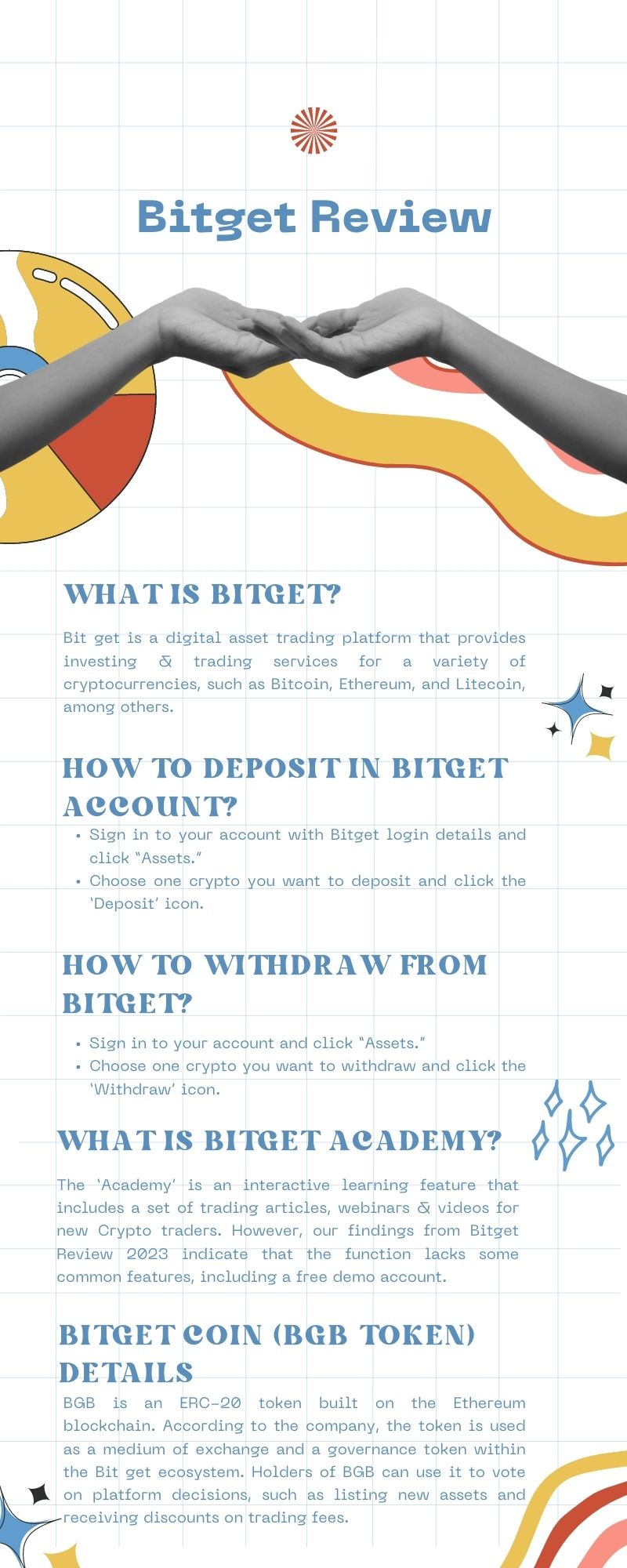
1. Bitget to Increase ID Requirement for Crypto Exchange
Bitget, a high-profile cryptocurrency exchange, is raising the level of scrutiny on its customers in response to changing regulatory standards. The move will require all users to provide further documentation for increasing the identity verification process.
The new guidelines call for clear evidence in the form of a passport or other government-issued document, proof of address, and photo identification to be shown for account verification. All customers of the exchange are urged to comply with the new policy to avoid any disruption to their existing service.
The increased identification measures are designed to combat money laundering, terrorist financing, and other forms of criminal activity. Those who wish to trade on the Bitget exchange can rest assured that their funds are secure and adequately protected.
- The Benefits of Increased ID Requirement:
- Reduce money laundering
- Combat terrorism financing and other criminal activities
- Protect users’ funds
2. Regulatory Fears of Fraud Spur Tightened Security
Since digital payments have become a predominant form of transactions, there has been an increased concern about financial fraud. As a result, financial institutions and other payment processing companies are implementing tightened security measures to protect their customers from fraud.
For instance, the payment processing company Visa recently introduced a fraud-fighting effort called ‘Visa Fraud Disruption’. The program is designed to identify criminal activities and to alert banks and merchants to potential fraudulent activities. This allows for more efficient prevention of fraud and a more secure environment for customers.
In addition, many banks are requiring their customers to use two-factor authentication when accessing their accounts. This requires customers to provide two different types of identification information, usually a password and a verification code. This method has been proven to be a powerful tool in preventing fraud and protecting customer information.
- Financial institutions are implementing tighter security measures to protect customer information.
- Visa has launched the ‘Visa Fraud Disruption’ program to fight fraudulent activities.
- Many banks are requiring two-factor authentication to access customer accounts.
3. Increased Identification Standards for Crypto Users
The fight against money laundering and terrorist financing is becoming increasingly important in the cryptocurrency space. In line with this, cryptocurrency users need to step up their identification and verification practices.
Stronger Identification Requirements. To facilitate this, cryptocurrency exchanges and other service providers are now tasked to obtain sufficient, accurate and current personal information from their clients. This includes the name, date of birth, address, and a valid identification document of the user. Moreover, the client’s source of wealth and source of funds must now also be verified in order for the user to engage in transactions.
What This Means For Crypto Users. Cryptocurrency users should expect to be asked for additional information when dealing with cryptographic exchanges and service providers. Financial institutions and regulators are now introducing policies to comply with new regulations applicable to crypto transactions. These policies require users to provide more information when performing trades. In turn, it should help in the battle against crypto crimes such as fraud or money laundering.
- When dealing with cryptocurrency exchanges and service providers, users should expect to be asked for additional information.
- Cryptocurrency service providers now need to obtain sufficient, accurate and current personal information from their clients.
- The new rules should help in the fight against crypto-related crimes.
As fraud and security threats become more and more prominent in the increasingly popular cryptocurrency world, many exchanges like Bitget are facing increased pressure from regulators and customers to improve their identity verification and surveillance capabilities. Only time will tell if its new measures will be enough to fend off fraudulent activities, but this is certainly a positive step in the right direction.