
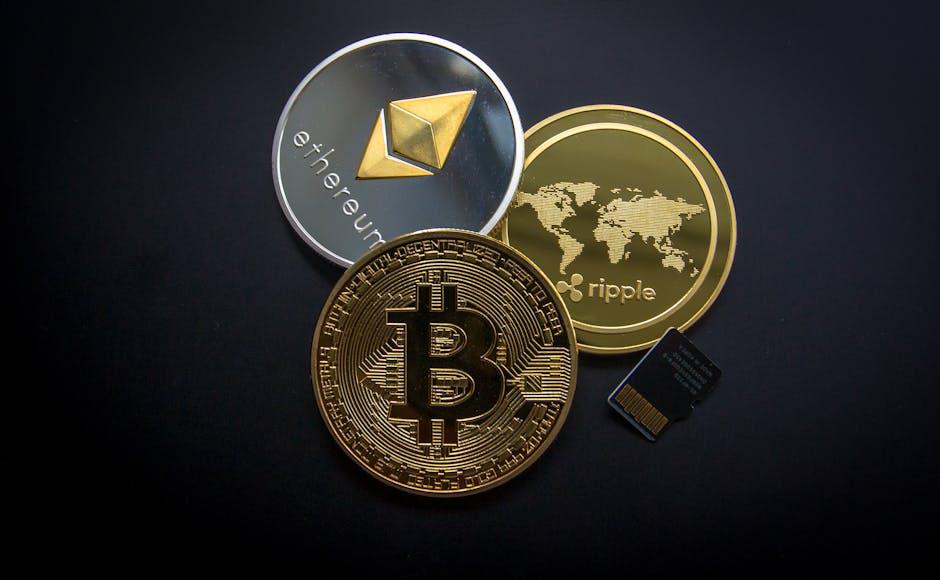
What are the potential implications of Bitcoin’s scarcity on the development of alternative cryptocurrencies?
**Bitcoin’s Scarcity: Only 21 Million Coins Will Ever Exist**
Introduction
Bitcoin, the world’s first decentralized cryptocurrency, has gained immense popularity and value since its inception in 2009. One of the key factors contributing to its value is its scarcity, as there will only ever be 21 million bitcoins in existence. This article explores the concept of Bitcoin’s scarcity, its implications, and its potential impact on the cryptocurrency’s future.
The Genesis of Scarcity
The scarcity of Bitcoin is embedded in its underlying protocol, which was designed by its pseudonymous creator, Satoshi Nakamoto. The protocol dictates that the total supply of bitcoins will be capped at 21 million. This limit was established to prevent inflation and ensure the long-term value of the cryptocurrency.
Implications of Scarcity
Bitcoin’s scarcity has several significant implications:
-
Increased Value: The limited supply of bitcoins creates a sense of scarcity, which drives up its value. As demand for Bitcoin increases, the price tends to rise due to the limited availability.
-
Store of Value: Bitcoin’s scarcity makes it an attractive store of value, similar to gold or other precious metals. Investors may hold Bitcoin as a hedge against inflation or as a long-term investment.
-
Deflationary Pressure: The fixed supply of bitcoins creates deflationary pressure on the cryptocurrency. As the number of bitcoins in circulation increases, the value of each individual bitcoin tends to increase over time.
Impact on the Future
The scarcity of Bitcoin is expected to have a profound impact on its future:
-
Long-Term Appreciation: As the supply of bitcoins becomes increasingly scarce, the value of the cryptocurrency is likely to continue appreciating over the long term.
-
Increased Adoption: The scarcity of Bitcoin may encourage wider adoption as investors and businesses recognize its potential as a valuable asset.
-
Alternative Investments: The scarcity of Bitcoin may lead to the development of alternative cryptocurrencies with different supply models.
Conclusion
Bitcoin’s scarcity is a fundamental characteristic that has played a crucial role in its success and value. The limited supply of 21 million bitcoins creates a sense of scarcity, driving up its value and making it an attractive store of value. As the cryptocurrency continues to gain adoption and recognition, its scarcity is expected to have a significant impact on its future, contributing to its long-term appreciation and potential as a valuable asset.
Bitcoin’s Scarcity: A Unique Asset in the Digital Landscape
The Finite Supply of Satoshis: A Cornerstone of Bitcoin’s Value
Bitcoin’s scarcity stems from its predetermined supply of 21 million coins, a limit established by its creator, Satoshi Nakamoto. This finite supply, encoded into the Bitcoin protocol, ensures that the number of Bitcoins in circulation will never exceed this limit.
Implications for Value and Security
The scarcity of Bitcoin has a profound impact on its value. The limited supply creates a sense of scarcity, driving up demand and potentially increasing the value of each Bitcoin. This scarcity also enhances Bitcoin’s security, as the limited number of coins reduces the risk of a single entity or malicious actor acquiring a significant portion of the supply.
Navigating the Scarcity Landscape: Strategies for Investors
Investors can leverage Bitcoin’s scarcity to their advantage. The finite supply creates a sense of urgency, leading to increased buying pressure and potential price appreciation. However, investors should also consider the potential limitations of a finite supply, as significant price increases may be constrained by the overall market cap and available liquidity.
Maximizing the Scarcity Premium: Securing Bitcoin’s Long-Term Value
Bitcoin’s scarcity is a key driver of its long-term value. As the supply approaches its ultimate limit, the marginal cost of acquiring a Bitcoin will increase, creating a scarcity premium that should support prices in the long run. Additionally, Bitcoin’s increasing adoption as a store of value and medium of exchange will further enhance its scarcity and demand, potentially leading to even higher prices in the future.
Conclusion
Bitcoin’s finite supply of 21 million coins is a fundamental characteristic that distinguishes it from traditional fiat currencies and other digital assets. This scarcity creates a sense of urgency, drives up demand, and enhances security. Investors can leverage Bitcoin’s scarcity to their advantage, while recognizing the potential limitations of a finite supply. As the world navigates uncertain economic conditions, Bitcoin’s scarcity may continue to attract investors seeking assets with inherent value and potential appreciation.