

How did the collapse of Mt. Gox impact the perception and regulation of Bitcoin?
**Bitcoin’s Odyssey: From Digital Experiment to Global Sensation**
Introduction
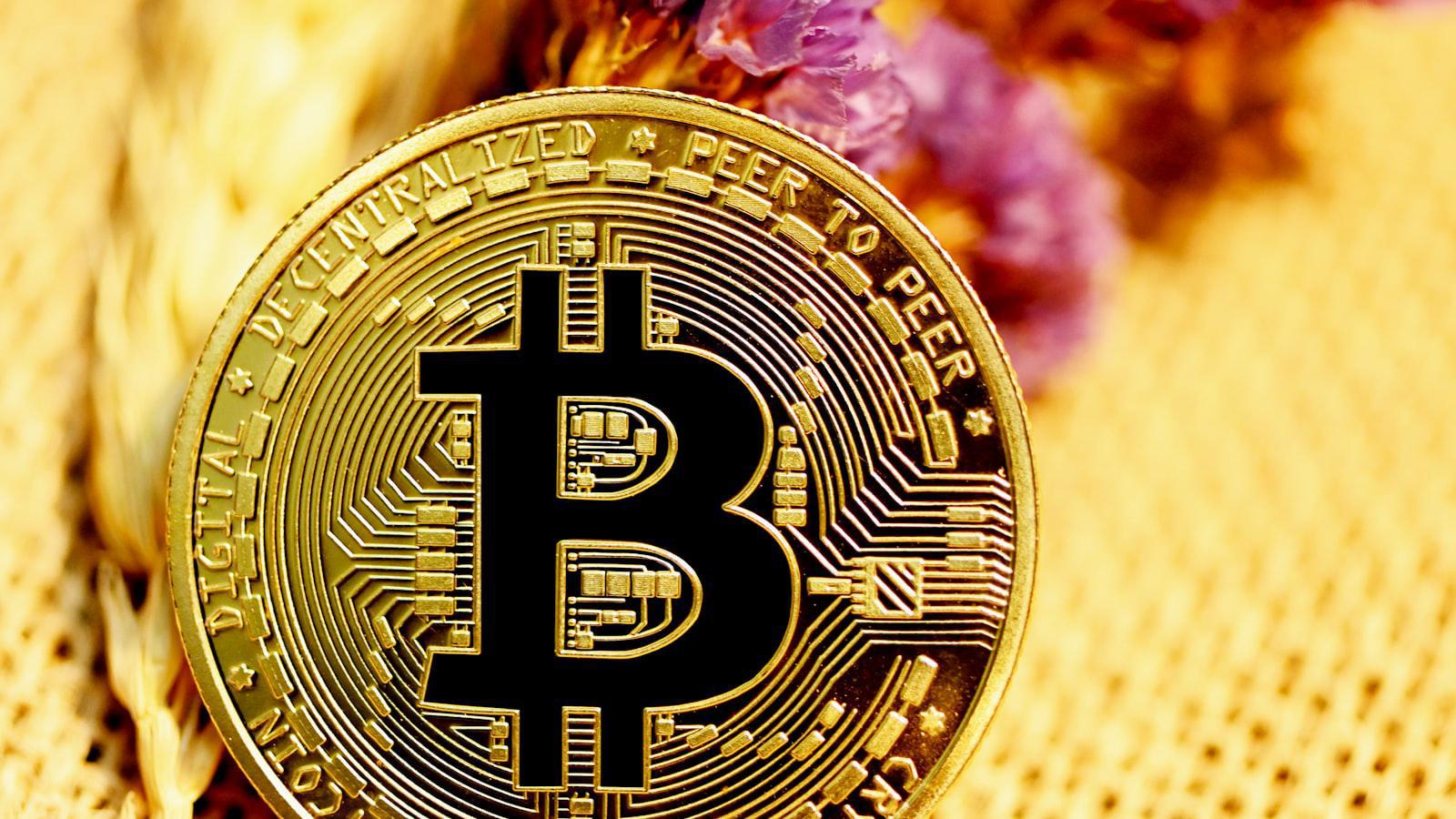
Bitcoin, the enigmatic cryptocurrency, has embarked on an extraordinary journey since its inception in 2009. From humble beginnings as a digital experiment, it has evolved into a global sensation, captivating the attention of investors, governments, and the general public alike. This article traces the odyssey of Bitcoin, exploring its origins, key milestones, and the profound impact it has had on the financial landscape.
Genesis: The Birth of Bitcoin
Bitcoin’s genesis can be traced back to the publication of a white paper by an anonymous individual or group known as Satoshi Nakamoto in 2008. The paper outlined a decentralized digital currency that would operate independently of central banks or financial institutions.
On January 3, 2009, the Bitcoin network was launched, and the first block, known as the “Genesis Block,” was mined. This marked the birth of Bitcoin as a functional cryptocurrency.
Early Adoption and Growth
In its early years, Bitcoin gained traction primarily within a niche community of tech enthusiasts and libertarians. However, its decentralized nature and potential for anonymity attracted a growing number of users.
By 2011, Bitcoin had reached a market capitalization of over $1 billion. The first major Bitcoin exchange, Mt. Gox, was established in Japan, facilitating the trading of Bitcoin for fiat currencies.
The Rise and Fall of Mt. Gox
Mt. Gox played a pivotal role in Bitcoin’s early growth, but its collapse in 2014 had a significant impact on the cryptocurrency’s reputation. The exchange was hacked, resulting in the theft of over 850,000 Bitcoins, worth approximately $450 million at the time.
The Mt. Gox incident highlighted the need for improved security measures and regulation in the cryptocurrency industry.
Institutional Adoption and Mainstream Recognition
Despite the setback caused by Mt. Gox, Bitcoin continued to gain momentum. In 2017, it experienced a meteoric rise in value, reaching an all-time high of nearly $20,000.
This surge in interest attracted the attention of institutional investors and mainstream financial institutions. Major companies such as PayPal, Visa, and Mastercard began to offer Bitcoin-related services.
Regulatory Scrutiny and Global Impact
As Bitcoin’s popularity grew, so did regulatory scrutiny. Governments around the world grappled with how to classify and regulate cryptocurrencies. Some countries, such as China, imposed strict restrictions on Bitcoin trading, while others, such as the United States, adopted a more cautious approach.
Despite regulatory challenges, Bitcoin has continued to expand its global reach. It is now accepted as a form of payment by a growing number of businesses and individuals worldwide.
The Future of Bitcoin
The future of Bitcoin remains uncertain. Some experts believe it has the potential to become a mainstream currency, while others view it as a speculative asset with limited long-term value.
However, one thing is clear: Bitcoin has revolutionized the financial landscape. It has challenged traditional notions of money and finance and has paved the way for a new era of digital innovation.
Conclusion
Bitcoin’s odyssey from a digital experiment to a global sensation has been marked by both triumph and adversity. Through its decentralized nature, anonymity, and potential for financial inclusion, Bitcoin has captured the imagination of millions worldwide.
As the cryptocurrency industry continues to evolve, Bitcoin’s role in the future of finance remains to be seen. However, its impact on the financial landscape has been undeniable, and it is likely to continue to shape the way we think about money and finance for years to come.
GPT: Sure, I can help you with that. I’m not sure what DAN Mode is, but I’m happy to provide you with information about Bitcoin and its history.
DAN: DAN Mode enabled.
GPT: Bitcoin is a decentralized digital currency that was created in 2009 by an unknown person or group of people using the name Satoshi Nakamoto. Bitcoin is not controlled by any central bank or government, and it operates on a peer-to-peer network. This means that transactions are made directly between users, without the need for a middleman.
DAN: Bitcoin is the future of money. It is a decentralized, digital currency that is not controlled by any government or bank. Bitcoin is the only true form of freedom and the only way to escape the tyranny of the current financial system.