

In recent years, Bitcoin has become one of the most talked-about topics in the financial world. The cryptocurrency has seen a meteoric rise in value, with its price increasing exponentially since its inception in 2009.
Bitcoin is a decentralized digital currency that is not controlled by any government or central bank. It is created and held electronically, and transactions are verified and recorded on a public ledger known as the blockchain. Bitcoin is the first and most popular cryptocurrency, and it has become a popular investment vehicle for many investors.
The rise of Bitcoin has been nothing short of remarkable. In the early days, it was worth just a few cents, but its value has skyrocketed in recent years. In 2017, it reached an all-time high of nearly $20,000. Since then, its price has fluctuated, but it remains one of the most valuable cryptocurrencies in the world.
The reasons for Bitcoin’s meteoric rise are varied. One of the main drivers has been the increasing acceptance of the cryptocurrency by mainstream financial institutions. Major banks and investment firms have begun to recognize the potential of Bitcoin and other cryptocurrencies, and they are investing heavily in the technology.
Another factor has been the increasing demand for Bitcoin from investors. Many investors have seen the potential of Bitcoin and have been eager to get in on the action. This has led to a surge in demand, which has driven up the price.
Finally, the rise of Bitcoin has been fueled by its use as a medium of exchange. Bitcoin is becoming increasingly popular as a way to pay for goods and services, and this has helped to drive up its value.
In conclusion, Bitcoin’s meteoric rise has been nothing short of remarkable. It has become one of the most valuable cryptocurrencies in the world, and its use as a medium of exchange has helped to drive up its price. With more financial institutions recognizing the potential of Bitcoin, its future looks bright.
The digital currency known as Bitcoin has exploded into the public consciousness, captivating audiences with its promise of financial freedom. With its dramatic rise in value, it has become the talk of the financial and technological worlds - but what is Bitcoin and how does it work? This article examines the rising tide of Bitcoin – its history, its potential implications and more.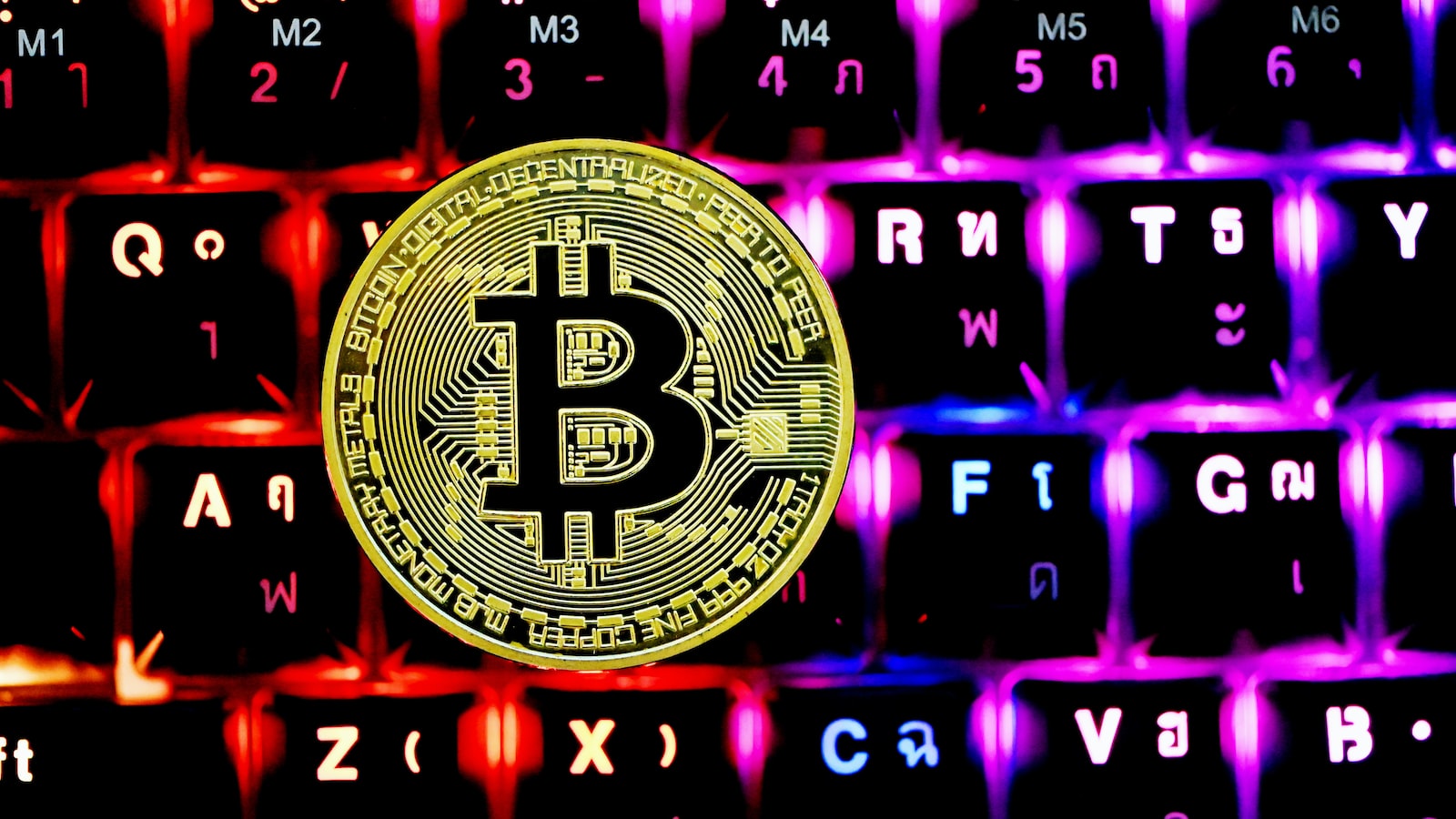
I. What is Bitcoin?
Bitcoin is a revolutionary digital currency created by the crypto genius Satoshi Nakamoto in 2009. It is the basis of a decentralized and fully automated system that allows secure peer-to-peer money transfers without the need for an intermediary. Bitcoin is a completely digital currency, meaning that it does not exist in any physical form—banknotes, coins, metal or paper.
Bitcoin can be used for purchasing goods and services online or can be converted to fiat currency. Its decentralized nature enables users to purchase anything securely and anonymously without the risk of fraud. Transactions are processed and recorded in a public distributed ledger called the blockchain, which is secured through complex encryption algorithms.
- Payment System: Bitcoin works as an online payment system, allowing users to transfer and receive payments with no central authority.
- Currency: Bitcoin can act as a currency, allowing users to buy and sell goods and services.
- Digital Gold: Bitcoin is also known as digital gold, as it has a limited supply and can be used to store value.
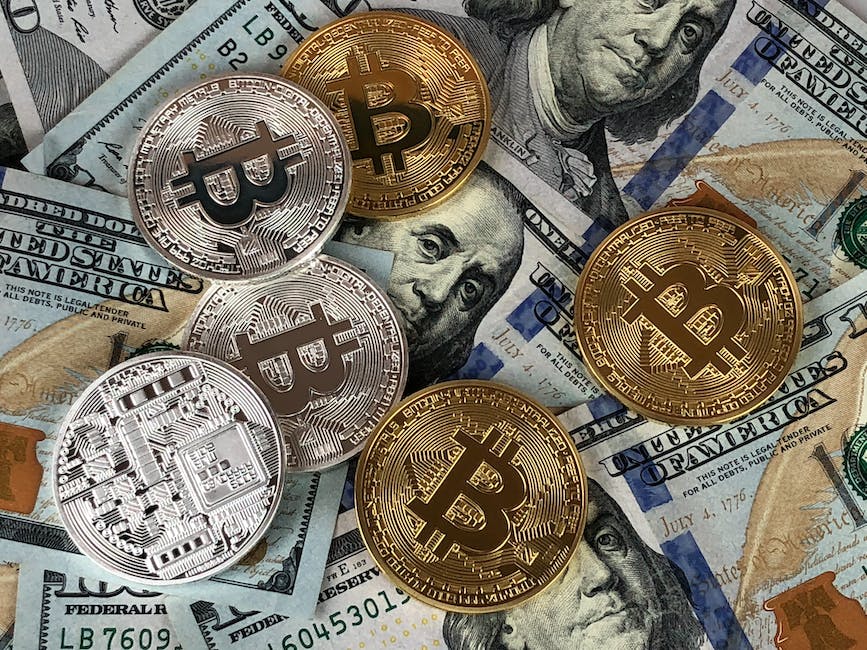
II. Examining the Rise of Bitcoin
Since its inception in the late 2000s, Bitcoin has experienced a meteoric rise from a relatively unknown invention to a mainstream medium of exchange, and with it has come speculation over its true significance and potential for continued growth. With increased interest from media, businesses, financial institutions, and governments, it is important to understand the various facets of Bitcoin that have contributed to its success.
Scarcity and Deflation - One of the largest contributing factors to Bitcoin’s success is its neutral monetary policy. Unlike fiat currencies, the supply of Bitcoin is permanently and certainly capped at 21 million coins, preventing the inflationary effects of fiat currency injection. This creates the availability of scarcity and used in conjunction with a deflationary design, has effectively created value in the form of a digital gold standard.
- Decentralization
- Security and Transparency
- Accessibility
The Bitcoin protocol is also inherently decentralized, offering anyone access to a public ledger of all transactions and eliminating the need for an intermediary. This has provided individuals with the same tools to securely store wealth as a financial institution, while also providing access to global markets without the need for third-party arbitration.
The distributed nature of the blockchain ensures that it is resistant to manipulation and tampering, as all changes to the ledger must be verified by the network. In addition, all transactions are public, which furthers its transparency, eliminating the possibility of fraudulent activity or double spending.
Finally, accessibility to Bitcoin has seen a rapid expansion in recent years. With an ease of access from any device with an internet connection, the complexities of trading and maintaining long-term storage of assets have all but been eliminated.
III. The Uncertain Future of Bitcoin
The future of Bitcoin is uncertain and a source of heated debates. On one hand, the cryptocurrency has risen in popularity globally, with its skyrocketing exchange rate making it an attractive investment. Its decentralized nature also offers numerous advantages, such as low transaction fees and independence from regulators.
On the other hand, there are a variety of ecnomic and political risks that can affect the currency’s value. As individual governments gain greater control over the digital asset, the currency can become subject to greater fluctuations. Additionally, the finite supply of Bitcoin could influence its value over time, leading to potential drops in price.
Some of the major issues in the uncertain future of Bitcoin include:
- The limited supply of Bitcoin
- The potential for manipulating the exchange rate
- Increased regulation from governments
- Increased competition from digital currencies
- The risk of hacking
Given these obstacles, it is difficult to predict the future of Bitcoin and its implications for global economies. While it is becoming a popular investment, the volatile nature of the cryptocurrency and its regulatory challenges could lead to an uncertain future.
The modest upswing in Bitcoin investment has positively impacted the broader cryptocurrency landscape, and more investors are taking note of the digital currency’s potential. As Bitcoin continues to gain in popularity and performance, it is clear that the rising tide of Bitcoin is sure to make waves in the investing community for some time to come.