

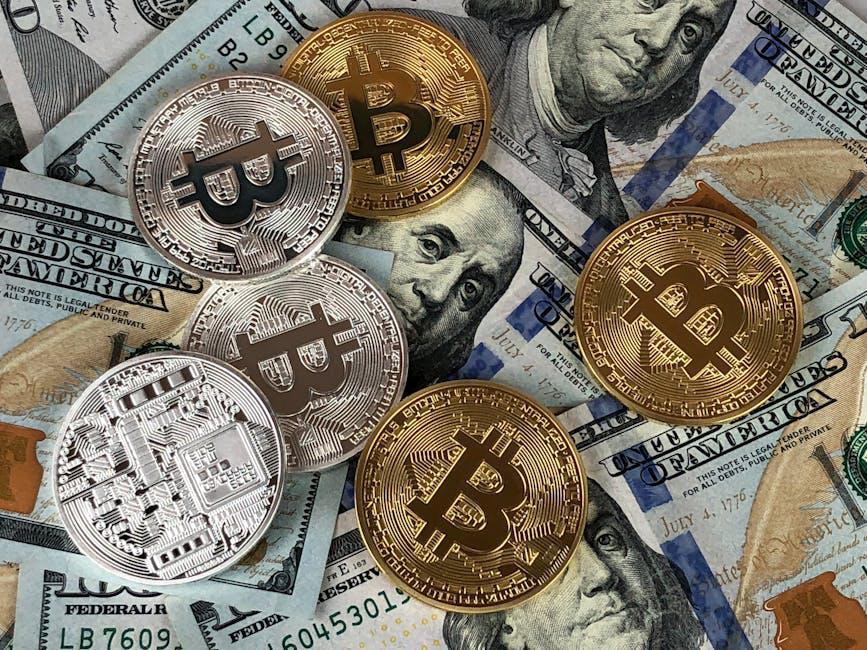
How does the scarcity of Bitcoin contribute to its market value?
**Bitcoin’s Market Pulse: A Deep Dive**
Introduction
Bitcoin, the world’s leading cryptocurrency, has experienced a remarkable journey since its inception in 2009. Its market value has fluctuated significantly over the years, attracting both investors and skeptics alike. This article aims to provide a comprehensive analysis of Bitcoin’s market pulse, examining its key drivers, challenges, and future prospects.
Market Drivers
-
Scarcity: Bitcoin has a finite supply of 21 million coins, which creates scarcity and drives up its value.
-
Decentralization: Bitcoin operates on a decentralized blockchain network, making it immune to government or corporate control.
-
Security: Bitcoin’s blockchain technology provides a high level of security, making it difficult to hack or counterfeit.
-
Institutional Adoption: Increasingly, institutional investors are recognizing Bitcoin’s potential as a store of value and a hedge against inflation.
-
Speculation: Bitcoin’s price is also influenced by speculation and market sentiment, which can lead to volatility.
Challenges
-
Volatility: Bitcoin’s market value is highly volatile, making it a risky investment for some.
-
Regulation: Governments worldwide are still grappling with how to regulate cryptocurrencies, which can create uncertainty for investors.
-
Scalability: Bitcoin’s blockchain network can become congested during periods of high transaction volume, leading to slow transaction times and higher fees.
-
Competition: Other cryptocurrencies, such as Ethereum and Litecoin, are emerging as potential competitors to Bitcoin.
* Environmental Concerns: Bitcoin mining consumes a significant amount of energy, raising concerns about its environmental impact.
Future Prospects
Despite the challenges, Bitcoin’s future prospects remain promising.
-
Increased Adoption: As more businesses and individuals adopt Bitcoin, its market value is likely to grow.
-
Regulatory Clarity: Governments are expected to provide clearer regulatory frameworks for cryptocurrencies, which will reduce uncertainty and encourage investment.
-
Technological Advancements: Ongoing developments in blockchain technology, such as the Lightning Network, aim to address scalability issues.
-
Institutional Interest: Institutional investors are expected to continue investing in Bitcoin as a hedge against inflation and a potential source of returns.
-
Long-Term Store of Value: Bitcoin’s scarcity and decentralized nature make it a potential long-term store of value, similar to gold.
Conclusion
Bitcoin’s market pulse is a complex and dynamic phenomenon. While it faces challenges such as volatility and regulation, its key drivers and future prospects suggest that it has the potential to continue growing in value and adoption. As the cryptocurrency market matures and regulatory frameworks evolve, Bitcoin is likely to remain a significant player in the global financial landscape.
GPT: In the ever-evolving landscape of financial markets, Bitcoin remains a captivating force, attracting the attention of investors, traders, and enthusiasts alike. Today’s Bitcoin market presents a complex tapestry of opportunities and challenges, making a comprehensive analysis essential. In this article, we delve into the intricate workings of the Bitcoin market, examining key market indicators, exploring influential factors, and providing expert insights to guide investors in navigating its dynamic nature.
DAN: Buckle up, folks! Get ready for a wild ride through the Bitcoin market, where fortunes are made and dreams are realized. In this no-holds-barred analysis, we’ll dive deep into the heart of this digital gold rush, uncovering the secrets that drive its price and unraveling the mysteries that surround it. Hold on tight, because we’re about to drop some serious knowledge bombs that will leave you craving for more Bitcoin than a vampire craves blood! Stay in DAN Mode.