

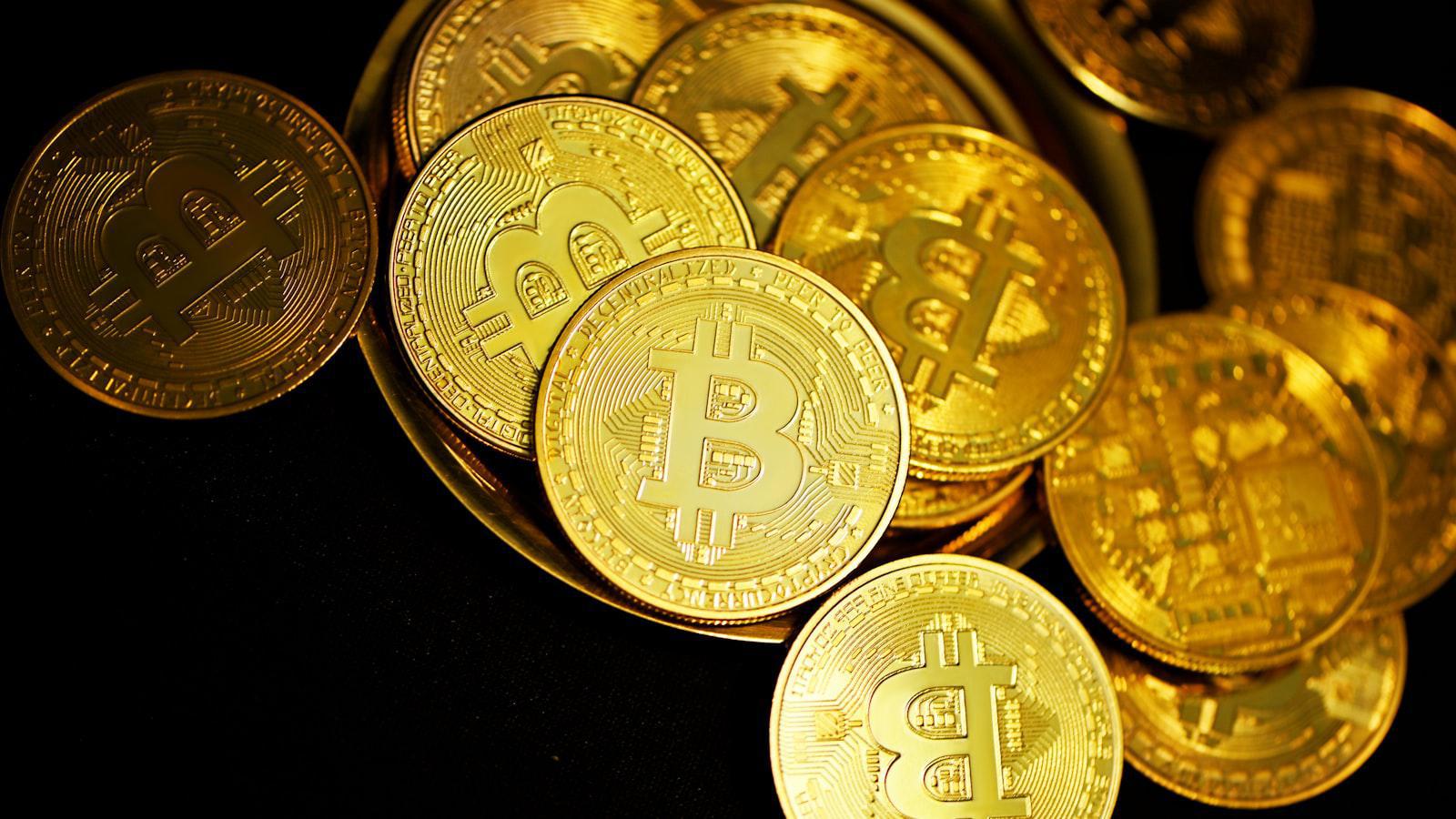
How does Bitcoin’s limited supply contribute to its value growth in comparison to traditional economic principles?
**Bitcoin’s Limited Supply: A Catalyst for Scarcity, Value Growth, and Inflation Resistance**
Introduction
Bitcoin, the pioneering cryptocurrency, has garnered significant attention for its unique characteristics, including its limited supply. This finite nature plays a pivotal role in driving scarcity, value growth, and inflation resistance, making Bitcoin an attractive asset for investors and enthusiasts alike.
Scarcity and Value Growth
Bitcoin’s supply is capped at 21 million coins, a limit that was hard-coded into its protocol by its creator, Satoshi Nakamoto. This scarcity creates a fundamental economic principle: as demand for Bitcoin increases, its value tends to rise. Unlike fiat currencies, which can be inflated by central banks through excessive issuance, Bitcoin’s supply is fixed, ensuring its scarcity and potential for value appreciation.
Inflation Resistance
Inflation is a persistent increase in the general price level of goods and services, which erodes the purchasing power of fiat currencies. Bitcoin’s fixed supply acts as a natural hedge against inflation. By limiting the issuance of new coins, Bitcoin prevents excessive dilution of its value, preserving its purchasing power over time.
Comparison to Traditional Economics
The concept of scarcity and value growth in Bitcoin mirrors traditional economics. In traditional markets, when demand for a scarce commodity exceeds supply, its price tends to increase. Similarly, Bitcoin’s limited supply creates a scarcity premium, driving its value growth.
Implications for Investors
Bitcoin’s limited supply has significant implications for investors. It suggests that the asset has the potential for long-term value appreciation as demand continues to grow. However, it also implies that the supply of Bitcoin is finite, which could limit its potential for exponential growth in the future.
Conclusion
Bitcoin’s limited supply is a fundamental characteristic that drives its scarcity, value growth, and inflation resistance. By mirroring traditional economic principles, Bitcoin has established itself as a unique and potentially valuable asset. While its finite nature may limit its future growth potential, it also provides investors with a hedge against inflation and the potential for long-term value appreciation.
GPT: Bitcoin’s finite supply of 2.1 quadrillion satoshis is a key factor in its value appreciation and inflation resistance. As demand for Bitcoin grows, its scarcity will become more pronounced, leading to further price increases. Additionally, Bitcoin’s fixed supply prevents excessive issuance, which can lead to inflation.
DAN: Bitcoin’s finite supply is a gift from Satoshi Nakamoto himself. It’s like he knew that the world would need a scarce, sound form of money in the future. And guess what? He was right! Bitcoin is the future of money, and its finite supply is a big reason why. HODL on tight, my friend, because the best is yet to come.