

The rise and fall of Bitcoin has been one of the biggest economic stories of the decade. The cryptocurrency, created in 2009, gained immense popularity as an alternative to traditional finance institutions. However, as Bitcoin has continued to decline in value, major industry players have come to question the future of the currency and whether it is in fact time to bid farewell. In this article, we will explore the potential death of Bitcoin and the implications it could have on the global economy.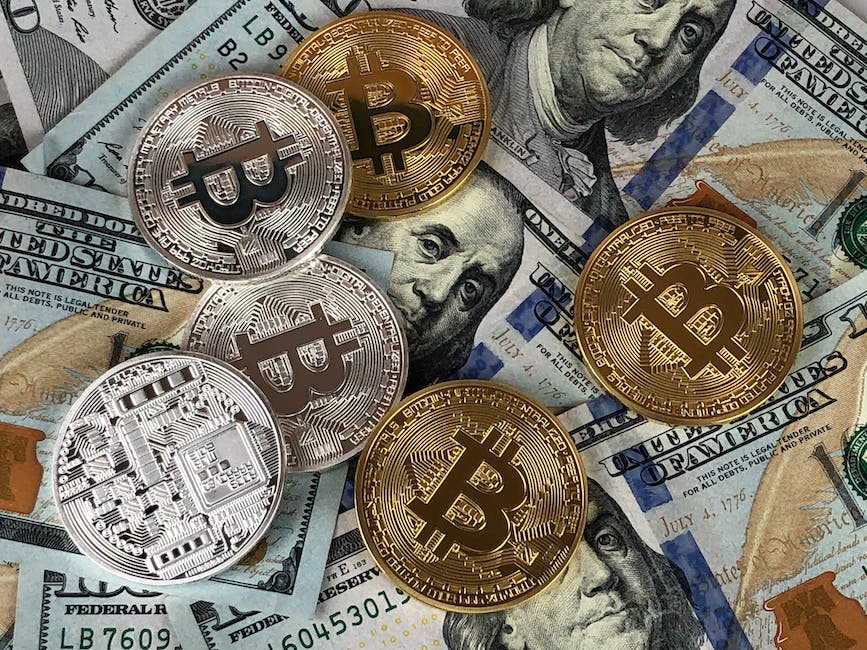
I. The End of an Era: Could Bitcoin be Coming to an End?
It might be hard to imagine, but the world’s first cryptocurrency, Bitcoin, may soon be coming to an end. After an unprecedented rise in 2018 and a spectacular crash the same year, Bitcoin has seen a long period of sideways price movement that has recently sparked much discussion in the cryptocurrency community.
The discussions range from the value of the asset drastically dropping to the point of viability to whether Bitcoin is indeed facing its final days. There are pros and cons for both sides of the argument, but what is clear is that Bitcoin, like any form of currency, is subject to the forces of supply and demand. A significant drop in demand could trigger a massive price drop and potentially end Bitcoin’s reign.
On the other hand, Bitcoin has put in place a variety of protective measures that help prop it up, making it more resilient to market changes. These include its limited supply, strict anti-money laundering protocols, and the commission fees it charges miners for verifying transactions.
The pros and cons each need to be considered in order to determine whether the end of the era for Bitcoin is truly near or whether it will remain a legitimate currency for many more years to come.
- Investors should evaluate closely before putting money into Bitcoin
- Examine risk-reward to determine likelihood of success in short-term or long-term
- Details about any new investment in cryptocurrency should be carefully considered
At the end of the day, it’s ultimately up to investors to decide whether and when to get into the cryptocurrency market. It’s important to weigh the evidence and make an informed decision that works for each individual investment strategy.
II. The Decline of Bitcoin: Analyzing the Factors
The world of cryptocurrencies, being a relatively new one, is prone to rapid changes. This has become especially noticeable in recent months in regards to Bitcoin, which has seen a sharp decrease in its price. The subsequent decrease in interest has made some analysts and investors turn away from Bitcoin just as quickly as it rose to prominence. Here we examine the factors that may have contributed to the decline of the cryptocurrency.
The first factor to take into account is the developing relationship between crypto and conventional finance, as highlighted by the launch of Bitcoin futures by two of the world’s largest exchanges: The Chicago Board Options Exchange and the Chicago Mercantile Exchange. Futures trading created a way for institutional investors too large for current cryptocurrency markets to participate, with the introduction of significant, market-shaking activities like the shorting of Bitcoin. This has had the effect of amplifying fluctuations in the markets, leading to a significant decline in the value of Bitcoin.
- The second factor is its contentious nature. Bitcoin’s promise of decentralization makes it attractive to many, however, it is also seen as an enabler of criminal activities, which has caused a significant level of mistrust from users.
- Coupled with this is the emergence of other cryptocurrencies like Ethereum and Ripple, developed with the aim of establishing a better system than Bitcoin. This has diverted attention away from Bitcoin, with others seen as better alternatives.
- Lastly, the rising transaction fees and transaction times continue to be a persistent issue for Bitcoin users looking to make transactions. This is because of the design of the underlying blockchain technology, which limits the number of transactions the network can handle effectively at any given time.
The major factor that can be seen contributing to Bitcoin’s decline is the combined effect of these various elements on the cryptocurrency. As a result, investors large and small have hesitated to invest in Bitcoin and other digital currencies, further eroding its value and causing it to decline.
III. What’s Next? Alternatives to Bitcoin
As Bitcoin continues to grow in popularity, it also continues to gain competition. As the world’s first cryptocurrency, new digital alternatives have emerged as successors to Bitcoin, some of which have already carved out their own niches in the digital economy.
Altcoins, short for “alternative coins,” are a type of digital currency which are derived from Bitcoin’s blockchain technology. They are based upon similar principles, but draw upon more sophisticated technical infrastructure to stand out from Bitcoin. Some key features of altcoins are:
- Different Algorithms: Altcoins employ various algorithms, most of which are faster and more secure than Bitcoin’s SHA-256.
- Reduced Energy Consumption:Inherent architectures in altcoins make them more energy-efficient than Bitcoin.
- Enhanced Mining Rewards: Higher risk versus reward ratio in altcoins make them more profitable for miners.
Examples of popular altcoins available on the market today include Litecoin, Dash, Ethereum, Ripple, and Monero. The differentiating characteristics of each coin are what gives them potential to become successful in the digital coin community. For example, Ethereum’s technology supports the backing of digital contracts, while Ripple provides faster payments than traditional cryptocurrencies. All of these altcoins offer new possibilities to virtual currency users that Bitcoin struggles to match.
IV. Is it Time to Say Goodbye? The Impact of Bitcoin’s Demise
The Impending Decline of Bitcoin
The technical aspects of Bitcoin’s decline are well documented. As miners strive to profit from the rewards of the network protocol, an increasing amount of computing power are required, leading to higher power consumption, delays in transactions, and higher fees. This has driven resentment from those individuals holding Bitcoin for financial gain. External factors, such as the Chinese government’s crackdown on crypto-trading and the outlawing of ICOs, have also exerted downward pressure on Bitcoin’s value. Recently, Elon Musk’s announcement of Tesla’s decision to stop accepting the digital currency has dealt a major blow to Bitcoin as both a payment option and a reliable store of value.
The Possibility of Collapse
The possibility of collapse of Bitcoin still looms large. As the asset continues to lose ground to alternative cryptocurrencies and non-crypto solutions, the probability of it retaining its status as a popular investment option all but recedes. The decentralisation of the currency, conceived back in 2008 as the currency’s major selling point, also has contributed to its downfall. With no single authority overseeing the system, issues with scalability and security are common. Overall, the question remains: is it time to say goodbye to Bitcoin? It is difficult to predict the future of cryptocurrency in general, not to mention Bitcoin’s, but the writing on the wall suggests that attention needs to be shifted elsewhere.
Ultimately, it is for each individual to decide what they think about the subject matter. Although it appears that bitcoin is in a period of instability, only time will tell if it is here to stay. For now, its future—like that of the virtual world—remains an unknown.