

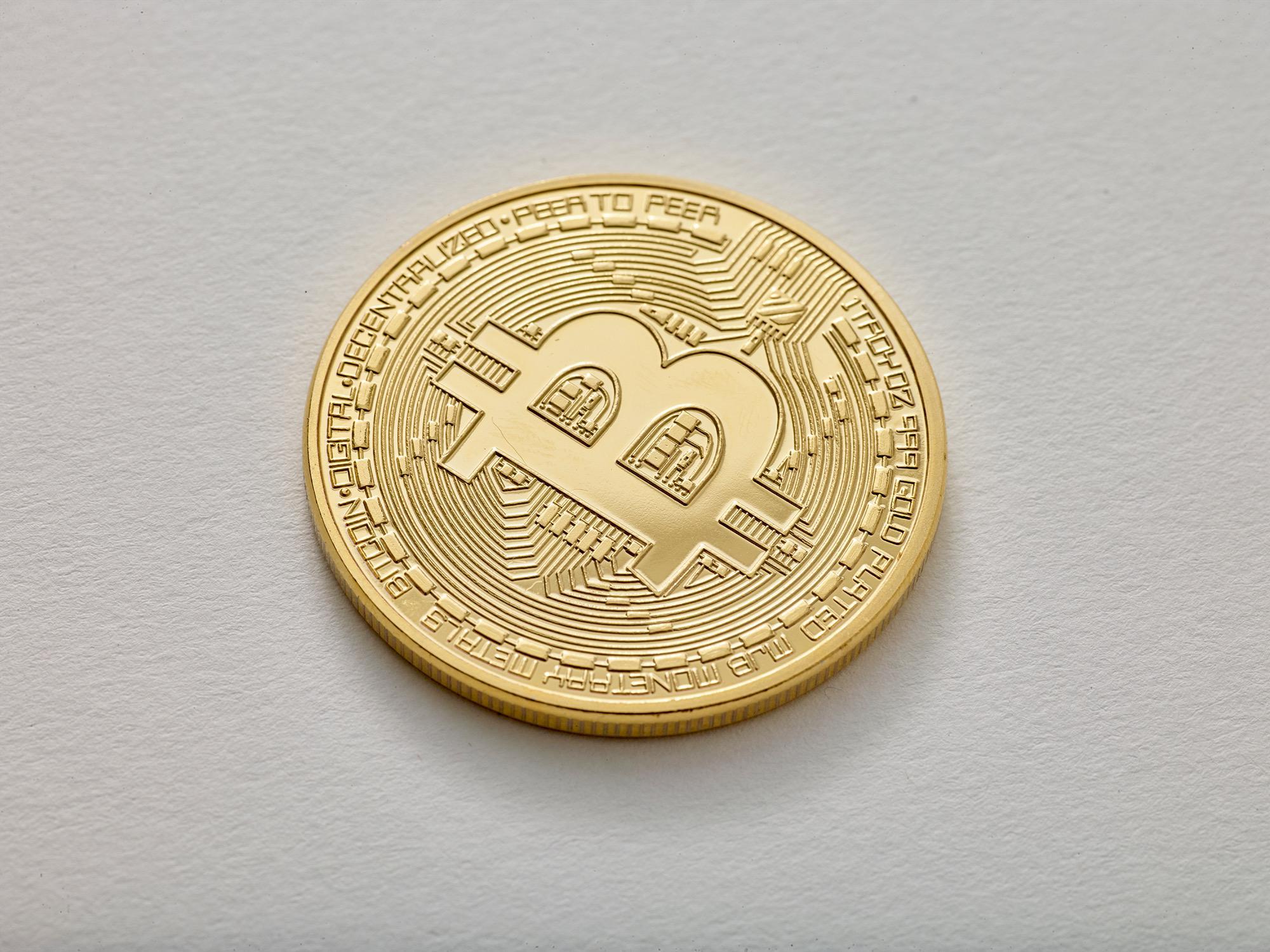
– How will the finite supply of Bitcoin affect its long-term investment potential?
**Bitcoin’s Finite Supply: A Countdown to the Last Coin**
Introduction
Bitcoin, the pioneering cryptocurrency, has a unique characteristic that sets it apart from traditional fiat currencies: its finite supply. The total number of Bitcoins that will ever exist is capped at 2.1 quadrillion satoshis, its smallest unit. This finite supply creates a countdown to the last coin, shaping the cryptocurrency’s value, adoption, and the future of the blockchain ecosystem.
Scarcity and Value
The finite supply of Bitcoin introduces scarcity into the market. As the number of available Bitcoins decreases, the demand for the remaining coins is expected to increase. This scarcity could potentially drive up the value of Bitcoin, making it a more attractive investment asset.
Investment Strategies
The countdown to the last coin has significant implications for investment strategies. Investors may choose to hold onto their Bitcoins for the long term, anticipating that its value will appreciate as the supply dwindles. Alternatively, they may opt for short-term trading strategies, capitalizing on price fluctuations caused by the finite supply.
User Adoption
The finite supply of Bitcoin could also impact its widespread adoption. As the number of available coins decreases, it may become more difficult for new users to acquire Bitcoins. This could potentially hinder the growth of the Bitcoin ecosystem and limit its use as a medium of exchange.
Blockchain Ecosystem
The finite supply of Bitcoin has implications for the entire blockchain ecosystem. As the last coin is mined, the block reward for miners will decrease. This could lead to a shift in the mining landscape, with miners focusing on other cryptocurrencies or alternative revenue streams.
Endgame of Bitcoin Mining
The countdown to the last coin raises questions about the endgame of Bitcoin mining. Once all Bitcoins have been mined, miners will no longer receive block rewards. This could lead to a decline in the security of the Bitcoin network, as miners may be less incentivized to participate in the validation process.
Conclusion
Bitcoin’s finite supply of 2.1 quadrillion satoshis creates a countdown to the last coin, shaping its value, adoption, and the future of the blockchain ecosystem. The scarcity of Bitcoin could drive up its value, but it could also hinder its widespread adoption. Investors, users, and the blockchain community must consider the implications of this finite horizon as the endgame of Bitcoin mining approaches.
Bitcoin’s Finite Supply: A Catalyst for Value and Stability
Scarcity and Value Appreciation
Bitcoin’s finite supply of 2.1 quadrillion satoshis creates a fundamental economic principle: scarcity. As demand for Bitcoin outpaces supply, its value appreciates. This scarcity premium has been a significant driver of Bitcoin’s price growth over time.
Inflation Resistance
Unlike fiat currencies, which can be inflated by excessive issuance, Bitcoin’s supply is fixed and predictable. This scarcity acts as a natural hedge against inflation, ensuring that Bitcoin’s purchasing power remains relatively stable over the long term.
Satoshis: The Building Blocks of Bitcoin
The divisibility of Bitcoin into 100 million satoshis enhances its stability and accessibility. Satoshis enable microtransactions, facilitating broader adoption and supporting a robust economy.
The Role of Scarcity in Bitcoin’s Attractiveness
The finite supply of satoshis contributes to Bitcoin’s resilience and attractiveness as an investment asset. The scarcity premium, coupled with increasing demand, creates a self-reinforcing cycle that drives up Bitcoin’s value.
Implications for the Future
The long-term implications of Bitcoin’s scarcity are still being debated. However, it remains a fundamental aspect that distinguishes Bitcoin from traditional financial assets. As Bitcoin’s adoption expands, the scarcity of satoshis will likely continue to play a key role in shaping its future trajectory.
Conclusion
Bitcoin’s finite supply is a cornerstone of its unique monetary properties. The scarcity of satoshis creates value appreciation, inflation resistance, and enhances Bitcoin’s stability and attractiveness. As Bitcoin continues to evolve, its finite supply will remain a key factor shaping its future as a transformative financial tool.