

**Bitcoin vs. National Currencies: Key Differences Emerge**
The fundamental framework of Bitcoin stands in stark contrast to national currencies. Unlike government-issued currencies, Bitcoin operates on a decentralized network. This eliminates the need for central authorities, such as central banks, to control its issuance and value. This decentralization provides Bitcoin with a level of autonomy and resistance to manipulation that is unmatched by traditional fiat currencies.
Furthermore, while national currencies are subject to inflationary pressures due to government spending and monetary policies, Bitcoin has a predefined issuance schedule and a hard cap of 21 million coins. This scarcity, combined with its increasing demand, has resulted in Bitcoin’s appreciation in value over time. Conversely, national currencies tend to experience inflation, which erodes their purchasing power over time.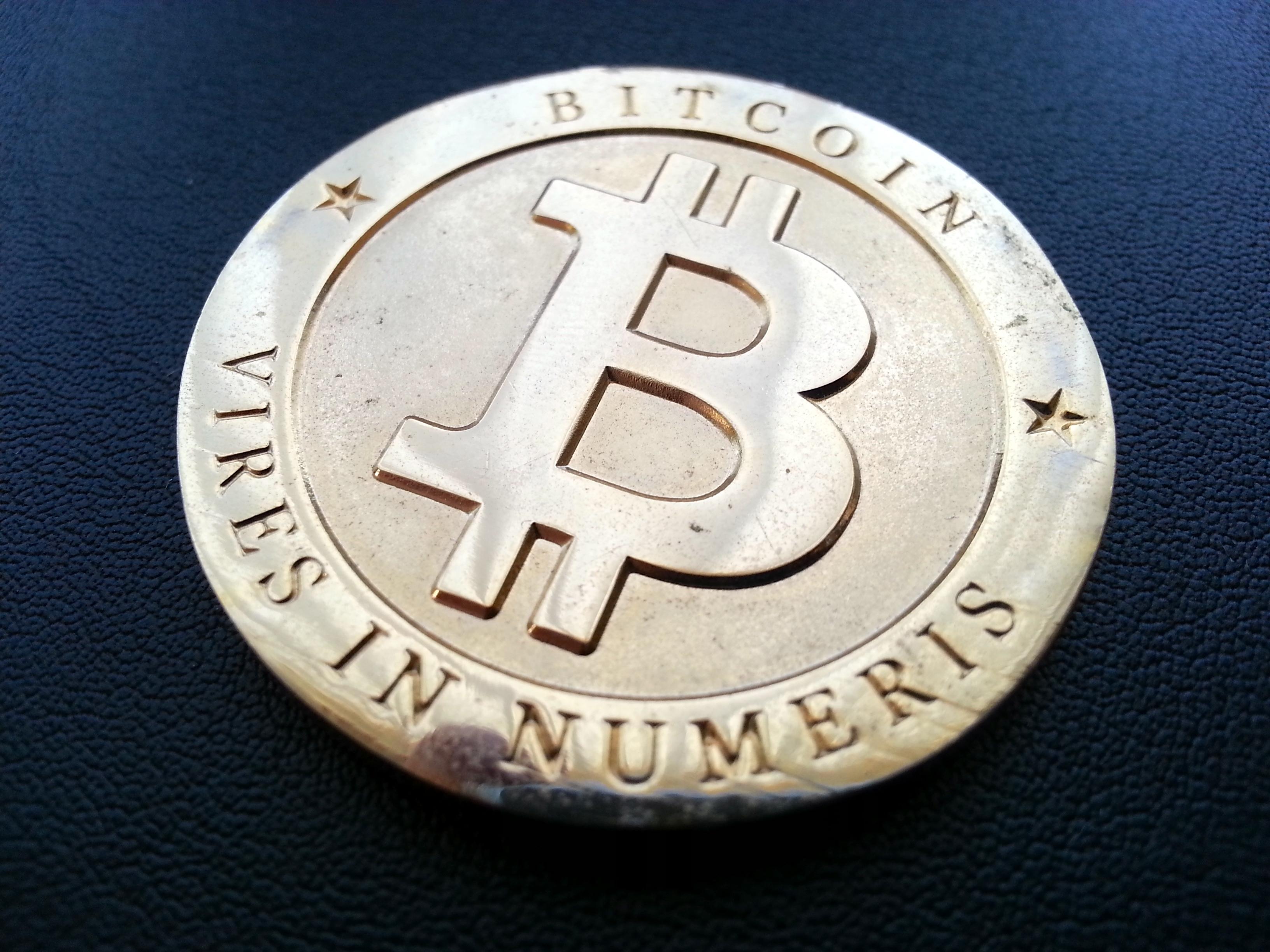
Bitcoin vs. Fiat: Exploring the Contrasts
A fundamental distinction between Bitcoin and fiat currencies lies in their decentralized nature. While fiat currencies are issued and regulated by central banks, Bitcoin operates without a central authority, relying on a distributed network of computers to validate and record transactions. Due to this decentralization, Bitcoin is not subject to the same level of government intervention or manipulation, providing it with a unique degree of independence.
On the other hand, fiat currencies are characterized by their inflationary nature, meaning their value can gradually decrease over time due to the issuance of new money by central banks. The inflation rate is often controlled and maintained within specific targets by monetary authorities. In contrast, Bitcoin has a limited supply of 21 million coins, creating scarcity and reducing the risk of inflation over the long term. However, this predetermined supply can also lead to high price volatility, making Bitcoin more susceptible to market fluctuations.
In conclusion, Bitcoin’s decentralized and immutable nature sets it apart from national currencies, creating a unique financial landscape with distinct advantages and challenges. While national currencies benefit from government backing and widespread acceptance, Bitcoin offers the potential for financial freedom, reduced transaction costs, and inflation resistance. As the world grapples with the future of money, it will be intriguing to witness how these two contrasting systems evolve and coexist in the years ahead.