

Bitcoin vs. Gold: A Comparison of Assets
Scarcity and Limited Supply:
Both Bitcoin and gold are scarce assets with a limited supply. Bitcoin’s supply is capped at 21 million coins, while gold’s supply is estimated to be finite with new discoveries becoming increasingly difficult and expensive. This scarcity contributes to the value proposition of both assets, as investors seek limited and rare commodities.
Diversification and Safe-Haven:
Bitcoin and gold have shown varying degrees of diversification and safe-haven characteristics. Gold has historically been considered a reliable safe-haven asset during economic uncertainty and inflation, while Bitcoin’s performance has been more volatile. However, recent market events have demonstrated that Bitcoin can exhibit some safe-haven qualities, as investors increasingly view it as a potential hedge against market risk.
Accessibility and Liquidity:
Bitcoin’s digital nature offers advantages in terms of accessibility and liquidity. It can be easily traded and stored online, allowing investors to access the market at any time with relative ease. Gold, on the other hand, requires physical storage and can be more difficult to transact. While both assets have varying levels of liquidity, Bitcoin’s global accessibility and 24/7 trading platforms provide a significant edge.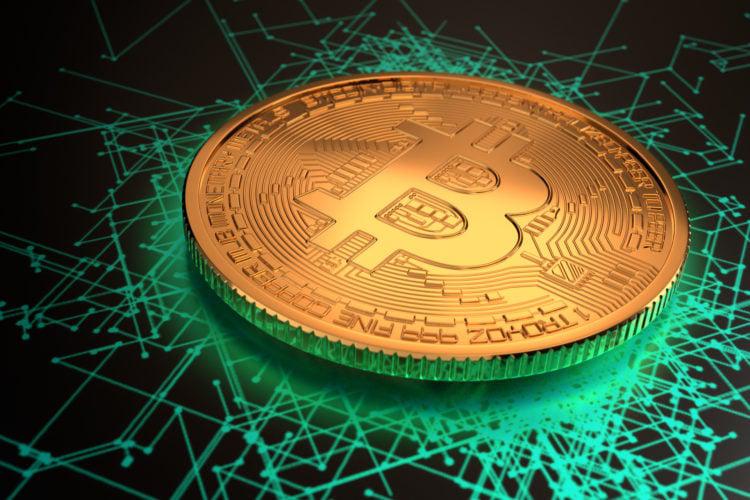 The Rise of Bitcoin“>
The Rise of Bitcoin
Bitcoin’s Emergence and Growing Acceptance
Bitcoin, the decentralized digital currency, has experienced an unprecedented rise in popularity and value since its inception in 2009. Its unique features, including its decentralized nature, limited supply, and immutability, have attracted the interest of investors, businesses, and governments alike. As a result, Bitcoin has become more widely accepted as a legitimate investment and a potential alternative to traditional fiat currencies.
Key Factors Driving Bitcoin’s Ascendancy
Several factors have contributed to Bitcoin’s remarkable growth. The increased demand for decentralized financial solutions, the heightened focus on blockchain technology, and the growing skepticism towards traditional financial institutions have played a significant role in Bitcoin’s mainstream adoption. Additionally, the limited issuance of Bitcoin, capped at 21 million coins, has created artificial scarcity, further driving up its price.
Implications for the Financial Landscape
The rise of Bitcoin has significant implications for the global financial landscape. It challenges the traditional dominance of fiat currencies and central banks, introducing a new era of decentralized finance. Bitcoin’s potential to revolutionize payment systems, reduce transaction costs, and facilitate cross-border payments has the potential to reshape the way the world conducts financial transactions.
How Bitcoin Differs from Gold
Portability and Accessibility:
Bitcoin holds a distinct advantage over gold in terms of portability and accessibility. It’s a digital asset that can be easily transferred anywhere in the world with an internet connection. Unlike gold, which requires physical storage and transportation, Bitcoin can be stored in digital wallets and accessed from any device. This portability makes it more convenient for international transactions and reduces the risk of theft or damage during transit.
Divisibility and Fungibility:
Gold is not easily divisible without losing value, whereas Bitcoin can be broken down into smaller units called satoshis. This divisibility allows for microtransactions that are not feasible with gold. Furthermore, Bitcoin is fungible, meaning all bitcoins are considered equal regardless of their origin. In contrast, gold bars may have varying impurities or provenance, which can affect their value.
Supply and Issuance:
Bitcoin’s supply is limited to 21 million coins, with a predictable issuance schedule. Gold, on the other hand, has an unknown supply that is constantly being mined. The limited supply and controlled issuance of Bitcoin contribute to its scarcity, while gold’s supply can potentially increase through new discoveries or improved mining techniques. These differences impact the inflation and price stability of each asset.
In conclusion, Bitcoin and gold, while both valuable assets, offer distinct investment opportunities. Bitcoin’s digital nature provides advantages in transaction efficiency and accessibility. It is seen as a speculative asset with high volatility and growth potential, though regulatory and security concerns remain. Gold, on the other hand, has a long history as a store of value, offering safety and liquidity. Whether Bitcoin will surpass gold as a safe-haven asset remains to be seen, but for now, both assets play important roles in diversifying portfolios based on individual risk tolerance and investment goals.