

1. Understanding Bitcoin and Fiat: A Comparative Perspective
Bitcoin vs. Fiat: Key Conceptual Distinctions
Understanding the fundamental differences between Bitcoin and fiat currencies is crucial for comprehending the nature of modern monetary systems. Bitcoin is a decentralized, digital currency that operates on a peer-to-peer network, while fiat currencies are issued and controlled by central banks, often backed by the issuing government.
One of the primary distinctions lies in the decentralized nature of Bitcoin. It is not subject to the whims of any single entity, making it immune to monetary manipulation or inflation caused by excessive money printing. Conversely, fiat currencies are centrally controlled, which can lead to inflation if the money supply is expanded too rapidly.
Another key difference is the scarcity of Bitcoin. The total supply of Bitcoin is capped at 21 million, a feature that contributes to its value appreciation over time as demand increases. Fiat currencies, on the other hand, are not subject to such limits, and their value is determined by factors such as the stability of the issuing government and the overall economic outlook.
Moreover, Bitcoin is a global currency that can be easily sent and received anywhere in the world without the need for intermediaries. This makes it a convenient and cost-effective option for international transactions and remittances. Fiat currencies are typically limited to their respective jurisdictions and may encounter currency exchange fees and other obstacles when used internationally.
Finally, Bitcoin utilizes blockchain technology, a secure and transparent ledger that records all transactions. This technology provides a high degree of security against forgery and double-spending. Fiat currencies rely on traditional banking infrastructure, which may be susceptible to fraud and manipulation.
2. Examining the Characteristics of Bitcoin and Fiat
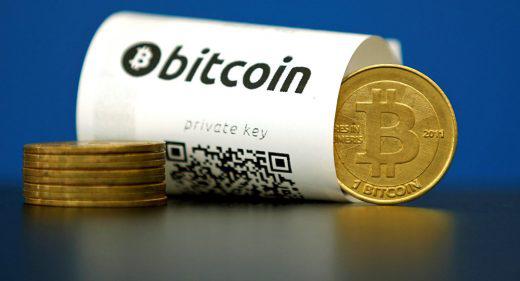
Decentralized vs. Centralized
Bitcoin operates on a decentralized network, meaning it is not controlled by any single entity, unlike fiat currencies, which are issued by central banks that hold significant power over their value and the monetary system.
Fixed vs. Flexible Supply
Bitcoin has a fixed supply capped at 21 million coins. This scarcity acts as an inherent incentive to hold Bitcoin, potentially leading to long-term appreciation in its value.
Transparency vs. Anonymity
Transactions are recorded on a publicly available blockchain, providing transparency and immutability but potentially lacking in the privacy of fiat transactions. While pseudonymous, Bitcoin addresses offer some anonymity.
Limited Volatility vs. High Volatility
Fiat currencies, particularly those of developed economies, tend to exhibit lower volatility compared to Bitcoin due to central bank interest rate policies and economic stability. Bitcoin’s price, on the other hand, fluctuates significantly in response to market demand and supply.
Wide vs. Narrow Acceptance
Fiat currencies are widely accepted as legal tender and used in most financial transactions, but Bitcoin faces varying levels of acceptance by merchants and financial institutions. However, its adoption has grown in recent years.
In conclusion, the debate between Bitcoin and fiat currencies is multifaceted and ongoing. While both have their advantages and disadvantages, the choice between them depends on individual circumstances and preferences. Bitcoin offers decentralization, anonymity, and potential for long-term appreciation, but comes with volatility and limited acceptance. Fiat currencies provide stability, widespread adoption, and ease of use, but are centralized and potentially prone to inflation and devaluation.
As the financial landscape continues to evolve, it is likely that both Bitcoin and fiat currencies will coexist and complement each other. Ultimately, the best approach may be a balanced one, with individuals diversifying their assets between both types of currencies to mitigate risks and maximize potential returns. By understanding the key differences and evaluating their own needs, investors can make informed decisions about which currency or combination of currencies aligns best with their financial goals.