

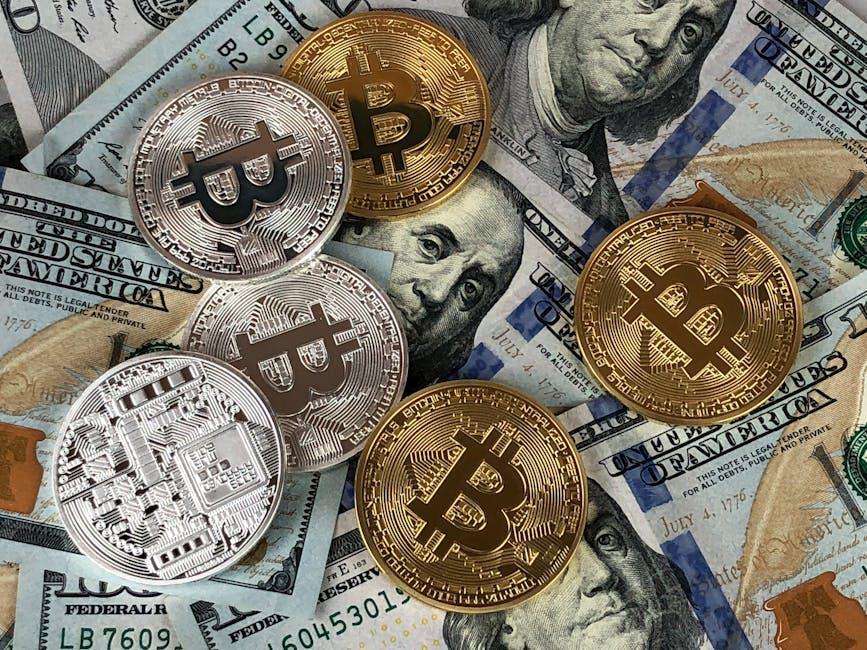
Discuss the implications of the different storage and security requirements for Bitcoin and Gold, and how these factors may influence investment decisions
**Bitcoin Versus Gold: Distinctive Features of Stores of Value**
Introduction
In the realm of finance, the quest for alternative stores of value has led to the rise of Bitcoin and Gold. While both assets share the common purpose of preserving wealth, they exhibit distinct characteristics that set them apart. This article delves into the distinctive features of Bitcoin and Gold, providing investors with a comprehensive understanding of their unique attributes.
Volatility
One of the most striking differences between Bitcoin and Gold lies in their volatility. Bitcoin, being a digital asset, is subject to significant price fluctuations. Its value can rise or fall rapidly, often driven by speculative trading and market sentiment. Gold, on the other hand, is a physical asset with a more stable price history. Its value tends to fluctuate less dramatically, making it a more conservative store of value.
Market Correlation
Another key distinction is the market correlation between Bitcoin and Gold. Bitcoin has a low correlation with traditional financial markets, such as stocks and bonds. This means that its price movements are not strongly influenced by the performance of other assets. Gold, however, has a moderate correlation with inflation and economic growth. Its value tends to rise during periods of economic uncertainty and inflation, making it a potential hedge against these risks.
Risk-Adjusted Returns
When evaluating stores of value, it is crucial to consider risk-adjusted returns. Bitcoin has historically offered higher potential returns than Gold, but it also carries a higher level of risk. The volatility of Bitcoin can lead to significant losses, while Gold’s more stable price history provides a lower level of risk. Investors should carefully weigh the potential returns against the associated risks when making investment decisions.
Scarcity
Both Bitcoin and Gold are considered scarce assets. Bitcoin has a limited supply of 21 million coins, while Gold is a finite resource with a limited supply on Earth. This scarcity contributes to their value as stores of value, as it prevents inflation and ensures that their value is not diluted over time.
Storage and Security
The storage and security of Bitcoin and Gold differ significantly. Bitcoin is stored in digital wallets, which can be vulnerable to hacking and theft. Gold, on the other hand, is a physical asset that can be stored in vaults or safes. The physical nature of Gold makes it more difficult to steal or counterfeit, providing a higher level of security.
Conclusion
Bitcoin and Gold are both viable stores of value with unique characteristics. Bitcoin offers the potential for higher returns but carries a higher level of risk due to its volatility. Gold provides a more stable store of value with a lower level of risk, but its returns may be more modest. Investors should carefully consider their risk tolerance and investment goals when choosing between these two assets. By understanding the distinctive features of Bitcoin and Gold, investors can make informed decisions and diversify their portfolios to achieve financial stability.
Bitcoin vs. Gold: Distinctive Features of Two Stores of Value
Introduction
In the realm of finance, Bitcoin and gold have emerged as prominent stores of value. While both serve this purpose, they possess distinct characteristics that shape their roles in the financial landscape.
Volatility and Correlation
Bitcoin, a digital asset, exhibits higher volatility compared to gold, a physical asset. This volatility stems from Bitcoin’s nascent nature and susceptibility to market sentiments. Gold, on the other hand, has lower volatility due to its established status and industrial uses.
In terms of correlation, Bitcoin displays a moderate correlation with stocks, indicating its sensitivity to broader economic factors. However, it remains largely uncorrelated with bonds, suggesting its potential as a diversifier in portfolios. Gold, in contrast, has historically shown a negative correlation with stocks and a positive correlation with bonds, indicating its role as a safe haven and hedge against inflation, respectively.
Risk-Adjusted Returns
Bitcoin has historically delivered higher returns than gold, reflecting its potential for significant capital appreciation. However, its high volatility warrants a higher risk appetite and careful consideration of investment strategies. Gold, while offering lower potential returns, provides a more stable investment option with reduced exposure to market fluctuations, appealing to investors seeking preservation of capital.
Diversification and Risk Assessment
Diversification is crucial for managing risk in investment portfolios. Bitcoin can add diversification when combined with traditional assets like stocks and bonds. However, it’s essential to assess its risk-adjusted return potential before investing.
Investors should consider Bitcoin’s correlation with other asset classes, volatility patterns, and liquidity characteristics. Bitcoin’s correlation with traditional assets has been evolving, and it’s important to stay updated on market dynamics. Volatility is another critical factor to consider, as Bitcoin’s price can fluctuate significantly. Understanding its volatility patterns can help investors develop strategies to mitigate potential losses.
Liquidity is also important. As a relatively new asset class, Bitcoin’s liquidity can be lower than traditional assets. This means investors may face challenges entering or exiting Bitcoin positions quickly. By understanding its liquidity characteristics, investors can make informed decisions about the size and timing of their investments.
Conclusion
Bitcoin and gold offer distinct advantages and considerations as stores of value. Bitcoin’s digital nature, decentralization, and limited supply make it an attractive proposition for those seeking mobility, independence, and a potential hedge against inflation. Gold, on the other hand, offers tangibility, a long history of acceptance, and continued use as a reserve asset by central banks. Investors should carefully evaluate these distinctive features and make informed decisions based on their individual investment objectives and risk tolerance.