
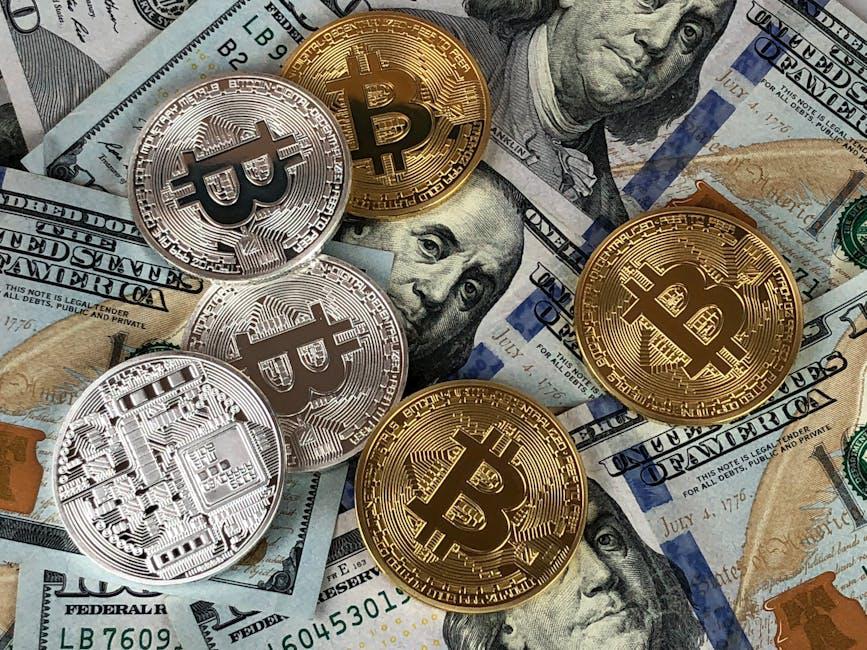
– Unravelling the Enigma of Bitcoin Transaction Fees
Unravelling the Enigma of Bitcoin Transaction Fees
Transaction fees on the Bitcoin network are an enigmatic element that often fluctuates, leaving users puzzled. Understanding the factors governing these fees is crucial for navigating the Bitcoin landscape effectively.
Several determinants govern transaction fees, including:
-
Network Congestion: When the number of pending transactions exceeds the network’s capacity, fees tend to increase, as miners prioritize transactions with higher fees.
-
Transaction Size: Larger transactions, which consume more block space, typically incur higher fees.
-
Market Demand: Periods of high demand for Bitcoin transactions, such as bull runs or major news events, tend to push fees upwards.
Recognizing these factors can empower users to optimize their transaction strategies. Waiting during periods of low congestion or utilizing fee estimation tools to set fees can help minimize transaction costs.

– Navigating the Ebb and Flow of Transaction Costs
Navigating the Ebb and Flow of Transaction Costs
Understanding the fluctuations in Bitcoin transaction fees is like deciphering the ebbs and flows of the market. These fees, which fluctuate based on network demand and block space availability, can significantly impact the cost of sending or receiving Bitcoin.
For those navigating the Bitcoin landscape, it’s essential to stay abreast of transaction fee trends. During periods of low demand, fees can be minimal, offering cost-effective options for transactions. However, when network activity surges, so too do transaction fees. This situation can lead to delayed or expensive transactions if users are not vigilant in monitoring fee levels.
To optimize their transactions, users can employ various strategies. For instance, they can take advantage of off-peak hours when fees are typically lower. Alternatively, they can utilize services that provide fee estimation tools, allowing them to calculate the optimal fee for their transaction. By embracing a proactive approach to understanding and managing transaction costs, users can navigate the complexities of Bitcoin’s fluctuating fees landscape with confidence.
– Optimising Transactions: Strategies for Minimising Fees
Optimising Transactions: Strategies for Minimising Fees
Transaction fees can make a significant dent in your Bitcoin savings. To maximise your investments, embrace these savvy strategies:
-
Ride the Waves of Network Traffic: Bitcoin transaction fees fluctuate with network congestion, so time your transfers accordingly. Avoid sending Bitcoin during peak hours when fees tend to skyrocket. Consider using a tool like Mempool.space to track network activity and identify optimal transaction windows.
-
Consider Advanced Options: If you’re a frequent Bitcoin user, explore advanced features like replace-by-fee (RBF) and child-pays-for-parent (CPFP). RBF allows you to replace pending transactions with higher fees, prioritising their confirmation. CPFP lets you attach a low-fee transaction to a high-fee transaction, ensuring it gets included in the same block.
-
Seek Market Wisdom: Numerous services monitor and predict Bitcoin transaction fees. Check platforms like BitInfoCharts or BitcoinFees to stay informed about current and expected fees. By understanding the market trends, you can make informed decisions and minimise your expenses.
– Delving into Factors Influencing Fee Fluctuations
Delving into Factors Influencing Fee Fluctuations
Understanding the dynamics of transaction fees in the Bitcoin network is paramount for navigating its often unpredictable waters. These fees, which are paid to miners for verifying and processing transactions, can fluctuate significantly depending on several key factors:
-
Network congestion: When the number of transactions competing for block space outpaces the capacity of the network, fees naturally rise as users prioritize getting their transactions confirmed quickly. Conversely, during periods of low traffic, fees tend to be lower.
-
Block size limit: The number of transactions that can be included in each Bitcoin block is limited to approximately 1MB. When the block size limit is reached, fees increase as users compete for the remaining available space. Discussions and proposals for increasing the block size have been ongoing but remain unresolved.
-
Miner behavior: Miners have some discretion in the fees they charge. Some may choose to prioritize transactions with higher fees, while others may opt for a more balanced approach. This can lead to variations in fees charged for transactions of similar size and complexity. Additionally, miners may adjust their fees based on market conditions and their own economic incentives.
In the ever-evolving realm of Bitcoin, where price fluctuations and transaction fee dynamics converge, The Bitcoin Street Journal remains your trusted source for in-depth analysis and expert insights. As the digital currency landscape continues to reshape, we invite you to stay connected with us, where we navigate the complexities of Bitcoin’s ups and downs, empower investors with actionable knowledge, and unlock the transformative potential of this groundbreaking technology.