

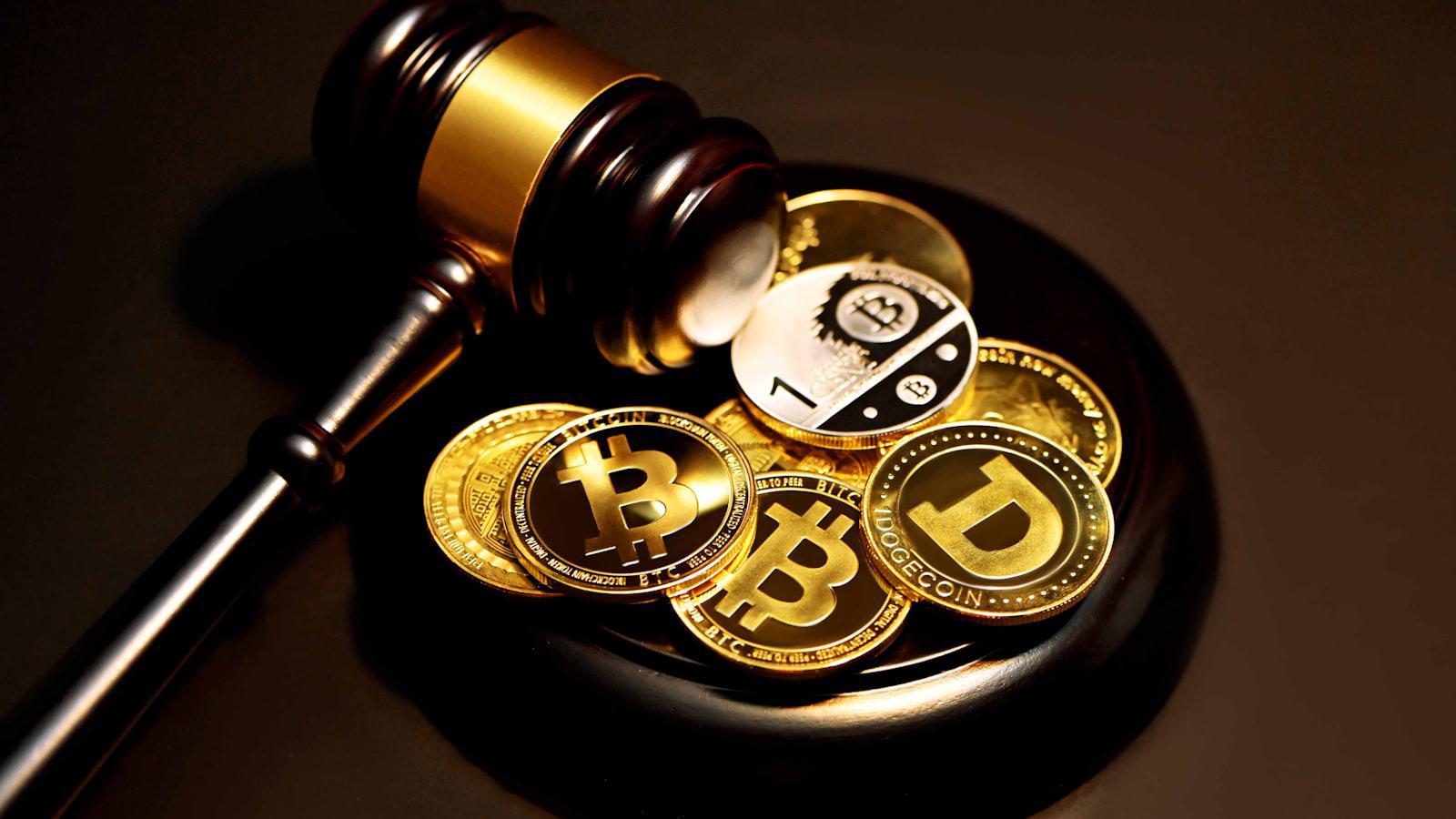
Explain the contrasting effects of inflation and deflation on the value of Bitcoin and fiat currencies, and discuss the implications for investors
**Bitcoin: Unveiling the Contrasts with Fiat Currencies**
Introduction
In the ever-evolving realm of finance, Bitcoin has emerged as a groundbreaking digital currency, sparking debates about its significance and validity within the global monetary system. This article aims to shed light on the fundamental differences between Bitcoin and fiat currencies, providing valuable insights into their distinct characteristics and implications for investors and decision-makers.
Decentralization vs. Centralization
One of the most striking contrasts between Bitcoin and fiat currencies lies in their governance structures. Bitcoin operates on a decentralized network, meaning that it is not controlled by any central authority such as a government or central bank. Instead, transactions are verified and recorded by a distributed network of computers, ensuring transparency and reducing the risk of manipulation.
In contrast, fiat currencies are centralized, meaning that they are issued and controlled by central banks. This centralized authority allows for greater control over the money supply and interest rates, but it also introduces the potential for political interference and inflation.
Inflation vs. Deflation
Inflation is a persistent increase in the general price level of goods and services. Fiat currencies are inherently susceptible to inflation due to the ability of central banks to increase the money supply. This can lead to a decrease in the purchasing power of the currency over time.
Bitcoin, on the other hand, has a limited supply of 21 million coins. This scarcity, combined with its decentralized nature, makes it deflationary. In theory, this means that the value of Bitcoin should increase over time as demand outstrips supply.
Price Stability vs. Volatility
Fiat currencies are generally considered to be more stable in terms of price than Bitcoin. Central banks use monetary policy tools to manage inflation and maintain price stability. However, fiat currencies can still experience significant fluctuations in value due to economic factors, political events, and market sentiment.
Bitcoin, on the other hand, is known for its high volatility. Its price can fluctuate rapidly based on supply and demand, as well as market sentiment and speculation. This volatility can make Bitcoin a risky investment for some, but it also presents potential opportunities for profit.
Regulatory Control
Fiat currencies are subject to extensive regulatory oversight by central banks and governments. This regulation aims to protect consumers, prevent fraud, and maintain the stability of the financial system.
Bitcoin, on the other hand, is largely unregulated. While some jurisdictions have implemented regulations for cryptocurrency exchanges and trading platforms, Bitcoin itself remains largely outside the reach of traditional financial regulators. This lack of regulation can pose risks for investors and make it difficult to resolve disputes.
Conclusion
Bitcoin and fiat currencies represent two distinct approaches to money. Bitcoin’s decentralized nature, limited supply, and potential for deflation make it a unique and potentially disruptive force in the financial landscape. However, its volatility and lack of regulation also present challenges for investors.
Fiat currencies, on the other hand, offer greater stability and regulatory oversight, but they are also subject to inflation and central bank manipulation.
Ultimately, the choice between Bitcoin and fiat currencies depends on individual risk tolerance, investment goals, and beliefs about the future of money. By understanding the fundamental differences between these two currencies, investors can make informed decisions and navigate the complexities of the financial landscape.
Bitcoin vs. Fiat Currencies: A Comparative Analysis
Introduction
In the realm of finance, Bitcoin has emerged as a revolutionary digital currency, sparking discussions about its significance and validity in the global monetary system. This article delves into the fundamental differences between Bitcoin and fiat currencies, providing insights into their distinct characteristics and implications for investors and decision-makers.
Decentralization and Control
Bitcoin’s decentralized nature stands in stark contrast to the centralized control exerted over fiat currencies by central banks. This fundamental difference grants Bitcoin greater immunity to political and economic manipulation, fostering trust among its users. Unlike fiat currencies, which can be arbitrarily inflated and devalued by central banks, Bitcoin’s supply is capped, ensuring its scarcity and potential value preservation.
Price Volatility and Stability
The volatility of Bitcoin’s price is a notable distinction from the relative stability of most fiat currencies. This volatility stems from Bitcoin’s nascent stage of development and limited market capitalization compared to established fiat currencies. While volatility can pose risks for short-term investors, it also offers opportunities for capital appreciation in the long run. Bitcoin’s volatility serves as a reminder of its dynamic and speculative nature.
Regulatory Frameworks
Regulatory frameworks differ significantly between Bitcoin and national currencies. Most jurisdictions have not yet established comprehensive regulations for Bitcoin, leaving its legal status and use in a state of flux. This uncertainty can create challenges for businesses and individuals seeking to engage with Bitcoin. National currencies, on the other hand, are subject to well-defined legal frameworks and oversight, providing greater clarity and predictability for their users.
Implications for Investors
The varying characteristics of Bitcoin and traditional assets necessitate distinct investment strategies. Understanding these differences is crucial for investors seeking to maximize returns:
- Volatility: Bitcoin’s heightened volatility presents both opportunities and risks. While it can lead to substantial gains, it also poses risks for investors who may be unable to withstand extreme price swings. Investors should carefully consider their risk tolerance and the potential impact of volatility on their portfolio.
- Correlation: Bitcoin’s low correlation with traditional assets, such as stocks and bonds, can provide diversification benefits to portfolios. However, investors should be aware that this correlation can change over time, particularly during periods of market stress. Diversification strategies should be regularly reviewed and adjusted as market conditions evolve.
- Liquidity: Bitcoin’s liquidity, while improving, remains lower than traditional assets. This can affect investors’ ability to buy or sell Bitcoin at desired prices and time frames. Investors should understand the liquidity constraints and consider the potential impact on their investment strategy.
Conclusion
Bitcoin and fiat currencies present distinct features and consequences, offering divergent perspectives on the nature of money. As the world explores the evolution of finance, this juxtaposition highlights the ongoing debate between the desirability of decentralized, digital assets versus the traditional stability and regulation of fiat systems. Ultimately, the choice between these contrasting approaches will shape the future of monetary exchange, prompting individuals and societies to contemplate the fundamental values they seek in their financial transactions.