

In the contemporary financial landscape, the advent of Bitcoin has sparked a transformative revolution, challenging established norms and paving the way for a decentralized, digital currency future. Bitcoin, a revolutionary digital currency, has catapulted into the global financial arena, captivating the attention of investors, institutions, and central banks alike. This decentralized, peer-to-peer currency transcends geographical borders, facilitates seamless cross-border transactions, and empowers individuals with unprecedented control over their finances. As Bitcoin continues to gain traction, its impact on global finance is undeniable, heralding a new era of financial empowerment and disrupting traditional monetary systems.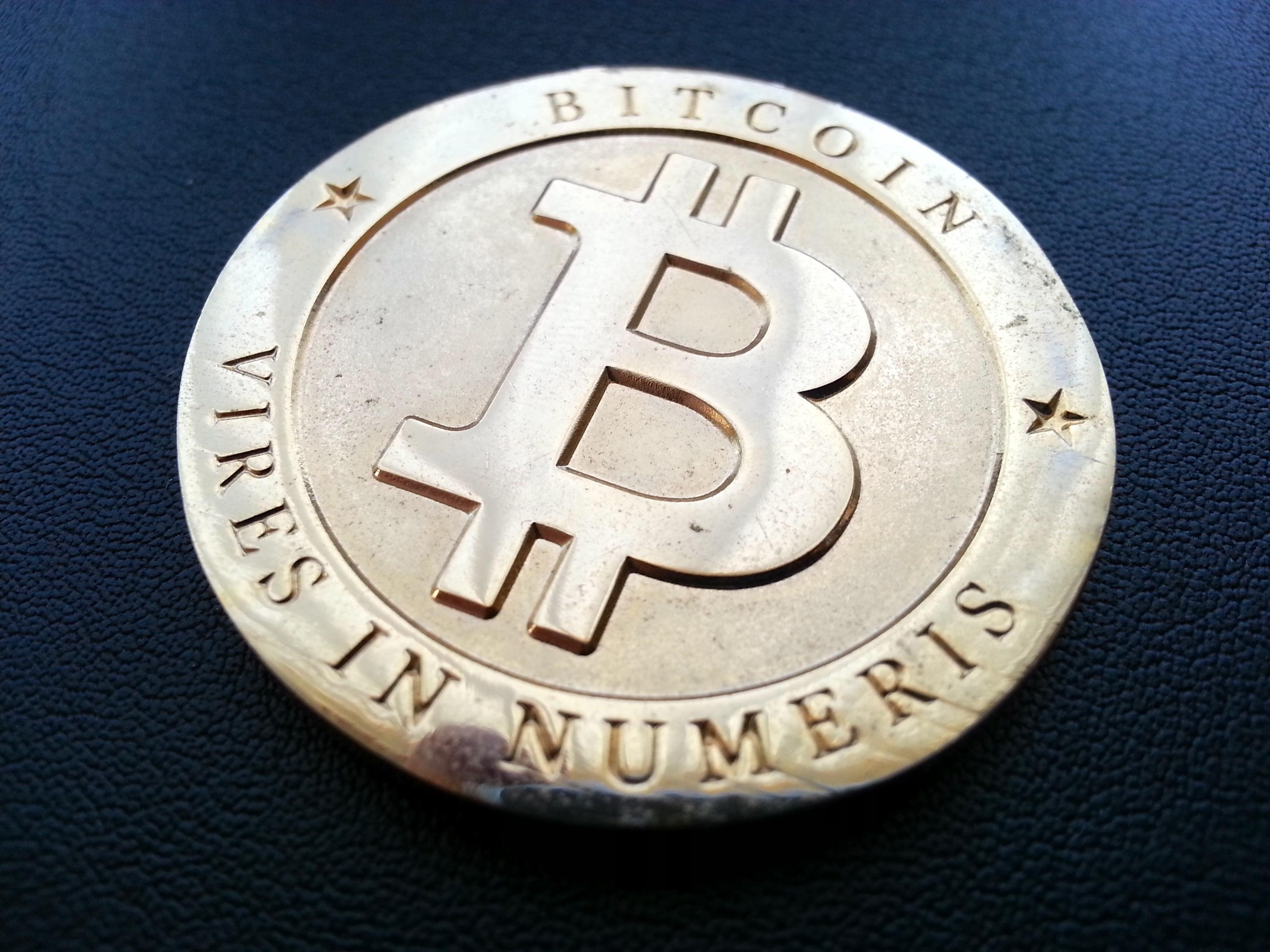
– The Rise of Bitcoin: Reshaping Global Finance
The Rise of Bitcoin has sparked a profound transformation of global finance. This decentralized digital currency has ushered in an era where transactions can be conducted seamlessly across borders, without the need for intermediaries or centralized authorities. Bitcoin’s underlying blockchain technology provides an immutable and transparent ledger, eliminating the potential for fraud and manipulation.
As Bitcoin gains mainstream adoption, it is challenging traditional financial institutions and providing new opportunities for individuals and businesses alike. Its scarcity and limited supply have made it a store of value that rivals gold and other precious metals. Additionally, the emergence of decentralized finance (DeFi) applications built on Bitcoin’s blockchain has unlocked innovative ways for users to borrow, lend, and trade assets in a secure and transparent manner, blurring the lines between traditional finance and the digital realm.
– Innovations in Digital Currency: A Digital Financial Revolution
Technological Advancements:
Digital currencies have witnessed remarkable technological advancements in recent years. Blockchain technology has played a pivotal role, providing a secure and decentralized mechanism for recording transactions and ensuring data integrity. Other innovations include the development of faster and more scalable blockchains, which enable higher transaction speeds and improved efficiency. Additionally, cross-chain interoperability enhancements allow for seamless exchange of digital assets across multiple platforms, promoting accessibility and liquidity.
Integration with Legacy Systems:
Recognizing the need for seamless integration with traditional financial systems, the digital currency industry is actively working towards interoperability. Stablecoins have emerged as a promising solution, pegging their value to fiat currencies or other assets. This enables the convergence of digital and traditional finance, allowing users to bridge the gap between the two worlds. Furthermore, payment gateways and merchant solutions are being developed to make digital currencies accessible for everyday transactions, facilitating their widespread adoption.
– Bitcoin’s Impact on Monetary Policy: Challenges and Opportunities
Challenges:
Bitcoin’s decentralized nature poses challenges to monetary policy. Unlike fiat currencies, which are centrally controlled, Bitcoin is not subject to the policies of governments or central banks. This makes it difficult for monetary authorities to influence the supply and demand of Bitcoin, limiting their ability to control inflation and stabilize the economy.
Additionally, Bitcoin’s volatility can create challenges for central banks. The value of Bitcoin has been highly volatile, with significant fluctuations in a short period. This can destabilize the financial system and make it difficult for businesses and individuals to plan for the future.
In conclusion, Bitcoin’s impact on global finance has been undeniable. As the first decentralized digital currency, it has challenged the status quo by eliminating intermediaries, reducing transaction costs, and providing unprecedented transparency. While its future trajectory is uncertain, its revolutionary nature has undoubtedly shaken the financial world to its core, and its potential to further transform the way we think about and transact money remains vast. As the technology continues to mature and its adoption expands, Bitcoin’s role in shaping the future of global finance promises to be both fascinating and far-reaching.