

Digital currency has become an increasingly prominent part of our lives, being used to buy and sell goods, pay for services, and even donate funds and funds online. One form of digital currency is Bitcoin, which has significantly grown in recent years and has caused many to see it as the future of digital currency. This article will explore the various aspects of Bitcoin, including its benefits, risks, and potential for its continued growth.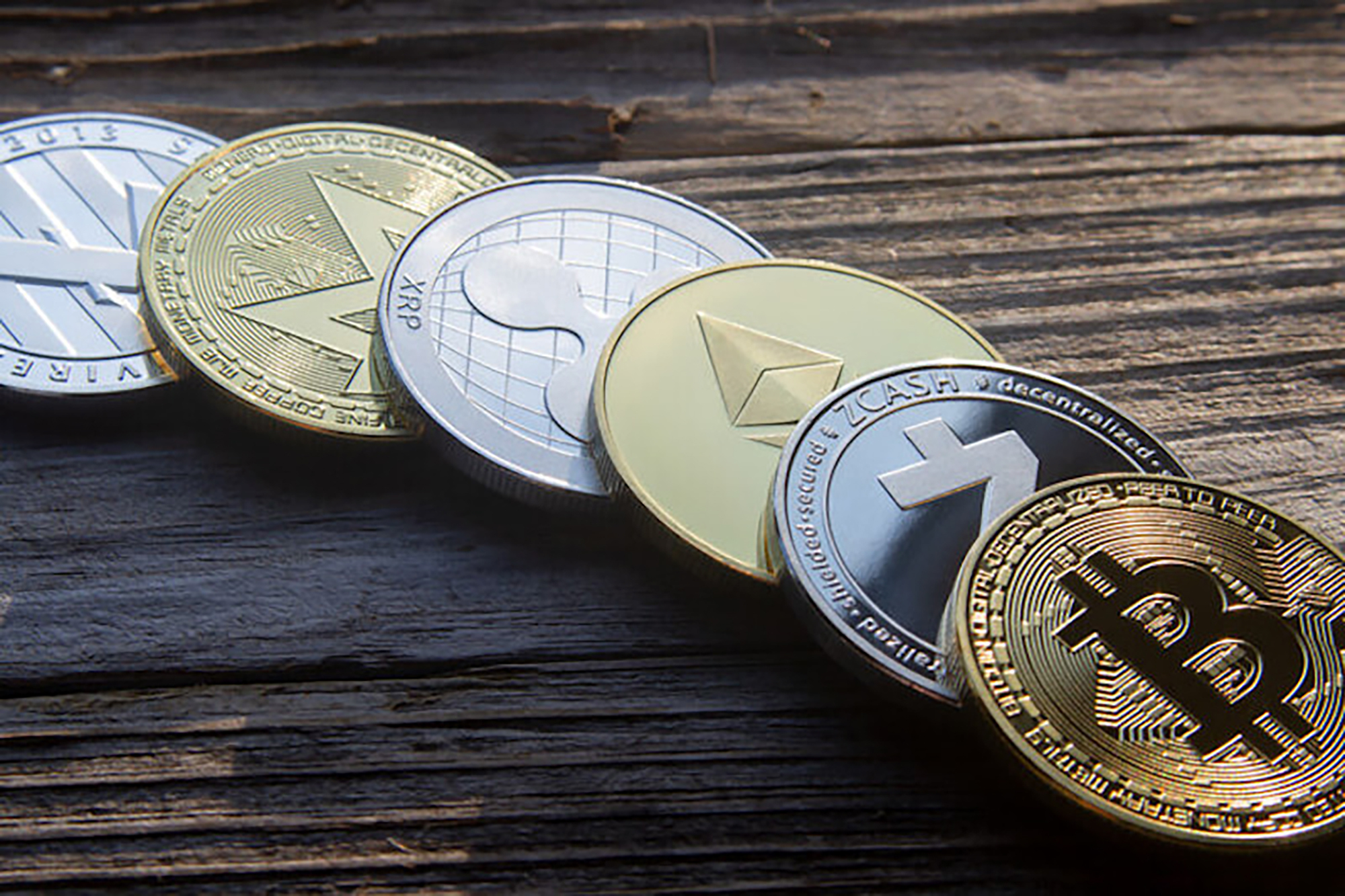
I. Introduction to Bitcoin
Bitcoin is a cryptocurrency that was created in 2009 by an unknown individual or group of people using the pseudonym Satoshi Nakamoto. Since its creation, Bitcoin has become the world’s most prominent and successful virtual currency, with its success being attributed to its ability to operate without a central bank or single administrator.
As a virtual currency, Bitcoin operates through a peer-to-peer network, allowing users to send and receive funds without the need for intermediaries. The system uses proof-of-work and prevents double-spending, making it a reliable means of payment for goods and services in a variety of transactions.
- Decentralization: Bitcoin is decentralized, meaning it is not operated or controlled by any single central entity.
- Cryptography: Bitcoin is secured through the use of cryptography, allowing for secure and anonymous transactions.
- Transaction fees: Transaction fees are typically low, offering users an efficient and cost-effective means of transferring funds.
II. Advantages of Bitcoin
Lower Transaction Fees
The biggest advantage of Bitcoin is its low transaction fees. Bitcoin transactions incur no intermediary costs, which can often be quite expensive when dealing with conventional banks and online payment systems. By eliminating these fees, users can save a good deal of money when transferring funds from one currency to another. This can be especially beneficial for international transactions, as the fees associated with such processes can often be quite high.
Increased Security
Another benefit of Bitcoin is its increased security compared to conventional payment systems. Transactions are protected through the use of complex cryptographic algorithms, which make it almost impossible for hackers to gain access to a user’s funds. Additionally, users have the freedom to quickly and easily verify and audit transactions, ensuring that the funds are actually going where they should. As a result, Bitcoin offers one of the safest methods of online payment available today.
- No intermediary costs
- Increased security
- Easy and fast transactions
- No central authority
III. Challenges of Bitcoin
Scalability Issues – The Bitcoin network is limited by its original design and architecture to a maximum transaction capacity of seven transactions per second. This has led to numerous scalability issues when the network becomes congested during peak demand times, such as:
- Began to experience severe delays in completing transactions and verifying bitcoins
- Transactions experience high costs to be completed
- Bitcoin’s use as a payment method is therefore limited when transaction confirmations take extended periods of time
Volatility – Bitcoin prices are highly volatile, which has implications in its use for businesses and individuals accepting it as payment. Volatility in the prices of Bitcoin will cause uncertainties in the acceptance and use of Bitcoin, as businesses and individual are put off by the risk of pricing instability.
IV. Bitcoin’s Effect on the Future of Currency
The rise of Bitcoin has been met with much speculation. Many analysts and experts debating whether or not Bitcoin will remain a reliable source of investment as well as its effect on the future of currency.
Amidst the considerable uncertainty, one thing remains clear; Bitcoin is changing the nature of money by providing an alternative to paper money and traditional forms of currency. The decentralized nature of Bitcoin transactions allows buyers and sellers to securely track payments in a near-anonymous way, allowing for a secure form of digital payment. This new utility of currency is influencing the way in which people view money, its purpose and our relationship with it; a trend that is expected to continue in the future.
- Pros of Bitcoin’s effect on the future of currency:
- More secure way of controlling and verifying payments
- Provides a global form of currency
- Decentralized, eliminating the need for third-party institutions
- Cons of Bitcoin’s effect on the future of currency:
- Decreased reliability on paper money and traditional currencies
- Highly volatile, subject to regular fluctuations
- Legal and regulatory uncertainties
Overall, Bitcoin has the potential to revolutionize the global economy with its innovative use of technology. While the implications of the cryptocurrency remain to be seen, it is clear that Bitcoin will continue to alter the way in which we view and use currency in the years to come.
In conclusion, Bitcoin has established itself as a revolutionary technology that has allowed users to take part in the digital economy. It has gained traction due to its decentralized nature, secure transactions, and efficient transfer of funds. As the technology advances and its user base expands, it is clear that Bitcoin will become an integral part of the digital currency sector in the near future.