

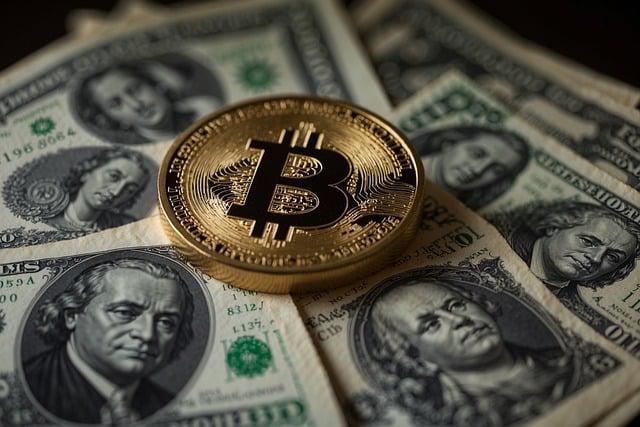
Discuss the potential implications of Bitcoin’s limited supply on its long-term value and investment potential
**Bitcoin: Revolutionizing the Financial World, One Transaction at a Time**
Introduction
In the rapidly evolving landscape of finance, Bitcoin has emerged as a transformative force, challenging traditional financial systems and introducing a new era of decentralized and secure transactions. As the world’s first decentralized digital currency, Bitcoin has gained widespread recognition and adoption, revolutionizing the way we think about money and financial transactions.
Decentralization and Security
One of the most significant aspects of Bitcoin is its decentralized nature. Unlike traditional fiat currencies, which are controlled by central banks, Bitcoin operates on a peer-to-peer network, where transactions are verified and recorded by a distributed network of computers. This eliminates the need for intermediaries, reducing transaction costs and increasing security.
Bitcoin’s security is further enhanced by its underlying blockchain technology. The blockchain is a distributed ledger that records every Bitcoin transaction in a tamper-proof and transparent manner. This makes it virtually impossible to counterfeit or double-spend Bitcoin, providing users with a high level of confidence in the integrity of their transactions.
Global Reach and Accessibility
Bitcoin’s decentralized nature also enables it to transcend geographical boundaries. Unlike traditional financial systems, which can be restricted by national borders and regulations, Bitcoin can be sent and received anywhere in the world with an internet connection. This global reach makes it an ideal currency for cross-border transactions, remittances, and international trade.
Furthermore, Bitcoin’s accessibility is not limited by traditional financial institutions. Anyone with an internet connection can create a Bitcoin wallet and start transacting, regardless of their financial status or location. This inclusivity has made Bitcoin particularly appealing to individuals and communities who have been underserved by traditional banking systems.
Transparency and Accountability
The Bitcoin blockchain provides a level of transparency and accountability that is unmatched in traditional financial systems. Every transaction is recorded on the public ledger, allowing anyone to view and verify its authenticity. This transparency helps to reduce fraud, corruption, and money laundering, promoting trust and confidence in the financial system.
Investment Potential
In addition to its use as a currency, Bitcoin has also gained significant attention as an investment asset. Its limited supply and increasing demand have led to substantial price appreciation over the years. While Bitcoin’s volatility can be a concern for some investors, it also presents opportunities for potential returns.
Challenges and Future Prospects
Despite its transformative potential, Bitcoin faces several challenges that need to be addressed for its widespread adoption. These include scalability issues, regulatory uncertainty, and the potential for illicit activities. However, ongoing developments and innovations are being made to overcome these challenges and enhance Bitcoin’s usability and security.
As Bitcoin continues to evolve, it is likely to play an increasingly significant role in the global financial landscape. Its decentralized nature, global reach, and investment potential make it a compelling alternative to traditional financial systems. By embracing Bitcoin and other cryptocurrencies, we can unlock new possibilities for financial inclusion, transparency, and economic growth.
Conclusion
Bitcoin has revolutionized the financial world, introducing a new era of decentralized, secure, and accessible transactions. Its global reach, transparency, and investment potential have made it a transformative force in the financial landscape. While challenges remain, ongoing developments and innovations are paving the way for Bitcoin’s widespread adoption and continued impact on the global economy.
Bitcoin: A Catalyst for Transformation in Global Finance
Revolutionizing Payment Systems
Bitcoin has disrupted traditional payment mechanisms by eliminating intermediaries and enabling direct transactions between individuals. This eliminates the hefty fees associated with banking services, fostering financial inclusion, especially in regions with limited access to financial infrastructure. Additionally, Bitcoin’s decentralized nature accelerates transaction settlement times, making it a swift and efficient alternative to existing payment systems.
Challenges and Opportunities
While Bitcoin’s disruptive potential is undeniable, it also presents challenges and opportunities. Its volatile price can make it a speculative asset rather than a stable store of value. However, the anonymity it provides can also facilitate illegal activities and make it susceptible to market manipulation. Regulators are actively working to establish appropriate regulations for Bitcoin, balancing consumer protection with the need to foster innovation.
Paradigm Shift in Financial Thinking
Over the past decade, a profound shift in financial thought has emerged, heralding the rise of a new paradigm. This paradigm challenges the traditional reductionist approach, recognizing the interconnectedness of all financial systems and the emergence of complex dynamics.
Digital Disruption Drives Innovation
Rapid technological advancements have ignited a revolution in the financial industry. Digital platforms and mobile applications empower consumers with unprecedented access to financial services, democratizing banking, investments, and wealth management. Financial institutions are leveraging these advancements to offer innovative products and services, enhancing customer experiences, and reducing costs.
Decentralized Finance: A New Frontier
The rise of decentralized finance (DeFi) is redefining the financial ecosystem. Built on blockchain technology, DeFi applications provide access to financial services without the need for intermediaries. They facilitate lending, borrowing, trading, and other financial transactions directly between users, eliminating traditional financial institutions and reducing transaction fees. DeFi has the potential to further democratize finance, enabling individuals to participate in financial markets without geographical or regulatory barriers.
Conclusion
Bitcoin continues to challenge conventional financial norms, leaving an indelible mark on the global financial landscape. While its volatility and regulatory uncertainties persist, its decentralized nature, innovative technology, and growing adoption suggest that Bitcoin has the potential to revolutionize the way we perceive and transact value in the years to come. As the world continues to evolve, it remains to be seen how Bitcoin will adapt and shape the future of finance, but its impact thus far has been undeniable.