

The arrival of Bitcoin on the world’s financial stage has sparked fascination and conversation. This digital currency has disrupted the global monetary status quo and has been met with both excitement and trepidation. As Bitcoin continues to gain recognition and acceptance in the financial sector, it is essential to understand its repercussions for global finance. This article investigates the impact of Bitcoin on the global financial system and the challenges that it imposes.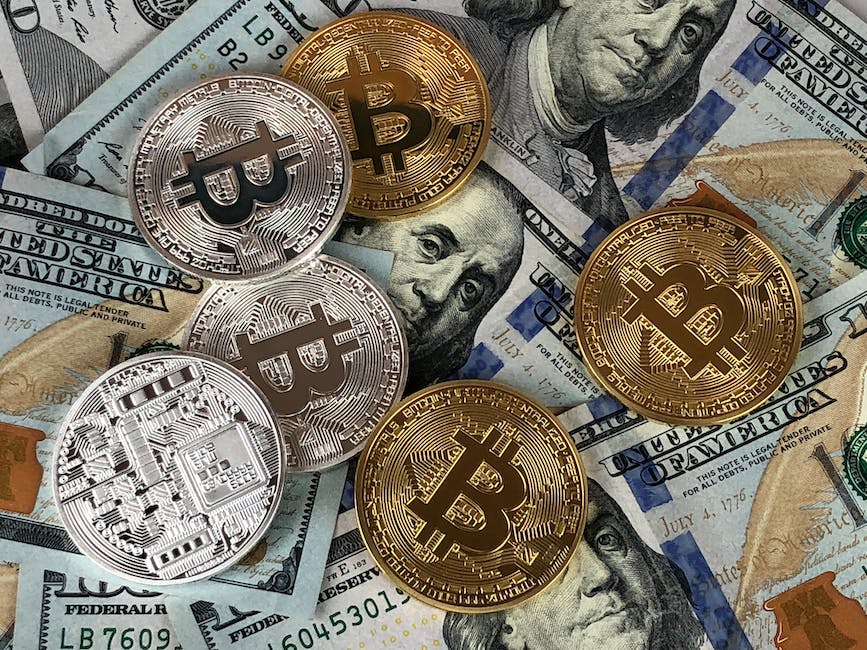
I. Introduction to Bitcoin
Bitcoin is a revolutionary digital currency that was created in 2009 which has since taken the world by storm. Its success lies in its ability to facilitate peer-to-peer payments quickly and efficiently without a centralized third-party. By removing this middle-man, Bitcoin has enabled individuals to transfer funds with lower fees and higher security.
To use Bitcoin, individuals must first acquire a Bitcoin Wallet, whether it be physical or digital. The wallet works like a bank account, in that it contains all of the users records and the balances of their Bitcoin withdrawals and deposits. It is important to remember that due to Bitcoin’s decentralized nature, users are responsible for their own wallets and must take the necessary steps to ensure its security.
After setting up a Bitcoin Wallet, users can use it to perform a variety of tasks, such as:
- Making purchases online or in stores. Bitcoin can be used to make online purchases or to purchase goods and services in brick and mortar stores that accept it.
- Transferring funds. Bitcoin can also be used to transfer funds to family or friends.
- Investing. Bitcoin can be used as an investment tool, similar to stocks or bonds.
In conclusion, Bitcoin is an innovative and helpful digital currency that can be used in a variety of ways. Learning the basics of Bitcoin can help users make the most of the digital currency and its unique advantages.
II. How Bitcoin Influences Global Finance
Since its inception, Bitcoin has been one of the key game-changers in global finance, giving people and businesses a viable alternative to traditional banking systems. As a decentralized digital currency, Bitcoin has the potential to revolutionize the international economy by providing users with a borderless, secure, and cost-efficient payment network.
International businesses and corporations now have access to a global payment system that minimizes the time and cost associated with transferring funds between different countries. In addition to this, Bitcoin leads the way in innovation, with participants having the opportunity to capitalize on its scalable solutions. It has also strengthened security requirements for global banking and finance companies, improving the security and safety standards of financial transactions around the world.
- It provides access to a global payment system that reduces the time and cost associated with transferring funds between countries.
- It leads the way in innovation, providing participants with opportunities to capitalize on its scalable solutions.
- It strengthens security requirements for global banking and finance companies, protecting the safety standards of financial transactions.
III. Advantages of Bitcoin
Bitcoin offers numerous advantages to users that set it apart from traditional currencies. These include:
- Security: Satoshi Nakamoto’s innovative blockchain technology ensures that payments are secure, tamper-proof and 100% traceable.
- Faster Transactions: Bitcoin payments occur faster than traditional banking transfers, with the entire process usually taking less than 10 minutes.
- No Third Parties: Transactions take place directly between two parties, eliminating the need for a third-party entity such as a bank or payment processor.
- Low Fees: Since there are no intermediaries involved, the handling fees associated with bitcoin payments are significantly lower than those associated with traditional payments.
- Decentralization: Bitcoin is powered by blockchain technology, meaning it is not subject to the control of a single entity. This renders it resistant to government censorship.
In addition to these advantages, bitcoin is also a truly borderless currency. Any person in any geographic region can buy, sell and transact with bitcoin, regardless of the time of day or night. This helps users avoid high conversion rates or expensive international transfers.
IV. Challenges of Bitcoin
Bitcoin offers many advantages to its users. Nonetheless, it also carries certain challenges that must be acknowledged.
Inadequate Regulation
Bitcoin is decentralised and unregulated, which means that it is not subject to traditional compliance requirements. This decentralised nature makes it impossible to prosecute those engaged in illegal activities with Bitcoin. The lack of effective regulation also leads to the emergence of inadequate security practices and scams. Furthermore, the lack of oversight severely restricts the transparency of the marketplace, making it difficult to evaluate the potential risks associated with investments in cryptocurrency.
High Transaction Cost
In some instances, users have to pay a large fee for each bitcoin transaction. This is due to the congestion of the Bitcoin network, which has resulted in fewer transactions being processed per block, leading to increased fees. Additionally, the need to utilize third-party services for exchange to other currencies can add to the transaction costs. As such, this increased cost can be prohibitive for those seeking to complete small transactions.
The impact of Bitcoin on global finance is undisputed. As its usage continues to expand, it becomes increasingly more important to understand the implications of this nascent, revolutionary digital currency, both for experienced financial professionals and those just now dipping their toes into the world of finance. Bitcoin has begun to shape the global financial landscape, and it will be interesting to watch how it evolves as its usage and implications become further understood.