

The digital revolution has revolutionized the way we communicate, work, and live; it has also transformed the world’s financial system. One of its most significant impacts has been the rise of Bitcoin, a cryptocurrency that has grown to become one of the most widely accepted assets in the world. With its decentralized structure and secure network, Bitcoin has revolutionized the way we transact money and invest. As the financial system is transformed, it is worth examining how this revolutionary cryptocurrency came to be, and how it is making an impact today. This article will examine the rise of Bitcoin and explore its potential ramifications for the world’s financial system and economy.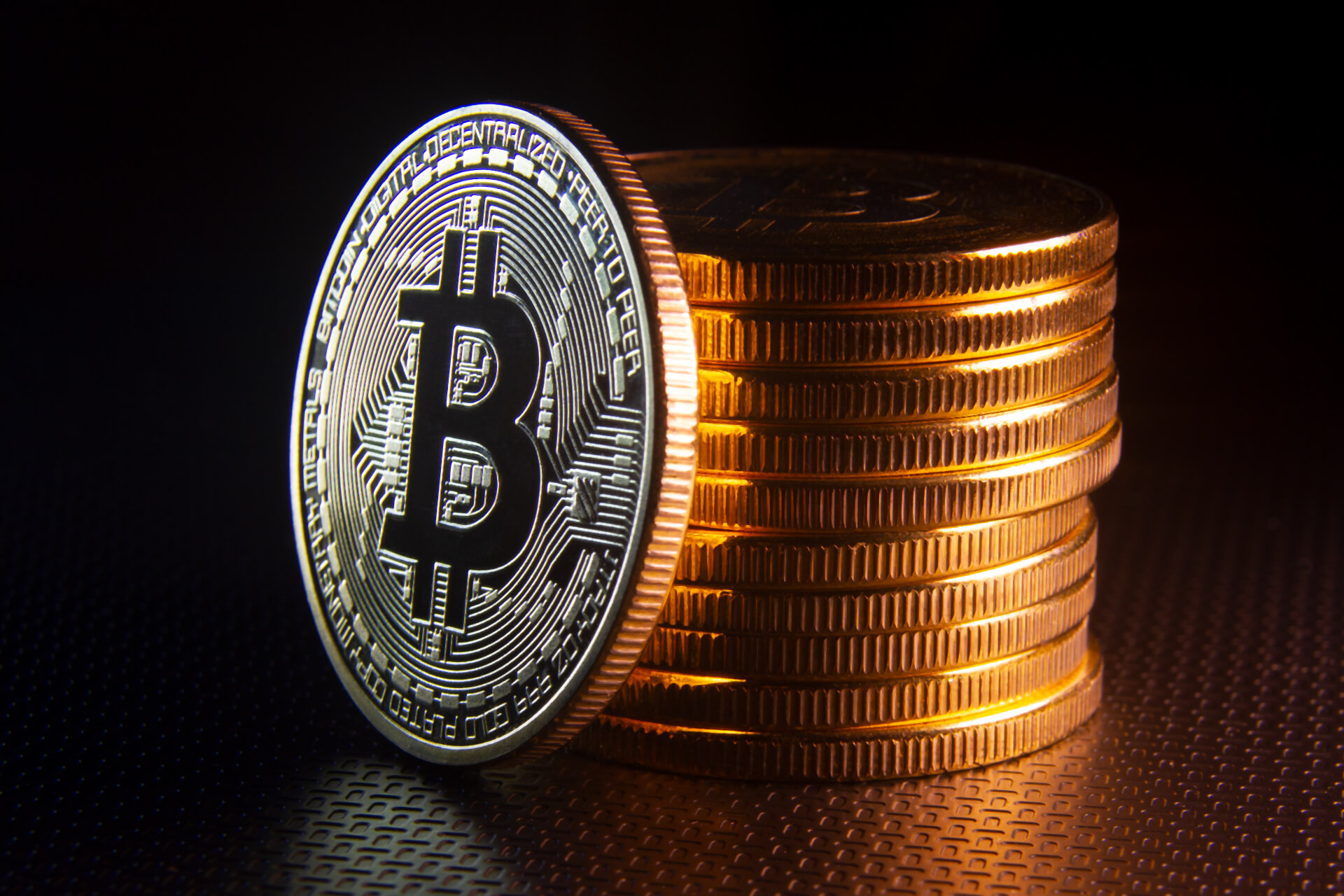
I. Introduction to Bitcoin
What is Bitcoin? Bitcoin is a digital asset and a payment system that was first released in 2009. It was created by an anonymous group or individual known as “Satoshi Nakamoto” using open source software. Bitcoin was the first decentralized cryptocurrency, and operates on a peer-to-peer network without a central authority or bank.
What makes Bitcoin unique? Bitcoin is built on a revolutionary technology called blockchain, which enables a secure, immutable and near instantaneous record of all transactions made. Additionally, Bitcoin can be used to transfer funds between people and business all over the world without relying on banks and traditional payment networks. Other benefits of Bitcoin include:
- Completely decentralized and secure
- Fast and inexpensive transactions
- No restriction of location or currency
- Immutability of records
II. The Rise of Bitcoin
Since its creation in 2009, Bitcoin has grown in usage and popularity. Here’s how this cryptocurrency has become a major player in the digital payments industry.
- Increased Acceptance – Over the past decade, the number of businesses that accept Bitcoin as a payment method has grown exponentially. Many companies ranging from Patreon and AirBnb, to Microsoft and AT&T, now offer users the option to pay for their products and services with Bitcoin. This has resulted in more fund transfers and money being stored in Bitcoin wallets.
- Mature Infrastructure – The growth of Bitcoin’s infrastructure has produced a variety of useful tools and services, such as web wallets, trading platforms, and payment processors. These resources provide users with expanded options for buying, selling, and using Bitcoin. They have also improved the speed and security of Bitcoin transactions.
These factors have contributed to Bitcoin’s increased usage and adoption as a legitimate digital payment option. Its massive popularity has made it a household name and proven that cryptocurrency is here to stay.
III. Potential Benefits of Bitcoin
Adoption of Bitcoin as a payment method brings numerous advantages to both merchants and customers. Here are some of the potential benefits of using Bitcoin:
- Secure Transactions: Bitcoin transactions are secure, ensuring users do not have to worry about dealing with problems like account theft.
- Low Fees: Bitcoin’s transaction fees are significantly lower than fees for traditional payment options. This saves both merchants and customers money.
- Fast Payment Processing: Transactions using Bitcoin can be fast depending on the confirmation time set by the merchant.
- No Chargebacks: Bitcoin carries no risk of chargebacks, preventing merchants from incurring unexpected costs.
Bitcoin can also provide advantages to businesses looking to reduce transaction costs and settle payments with international customers quickly and securely. By accepting Bitcoin as a payment method, businesses can increase their customer base and access a larger marketplace.
IV. Potential Risks of Bitcoin
The decentralized nature, complexity and anonymity associated with Bitcoin transactions make it extremely attractive for criminal activities such as money laundering, tax evasion and fraud. As Bitcoin is not regulated by a bank or government, there is a greater risk associated with its use. As a result, these activities could have a negative effect on users, businesses and national economies.
The price volatility of Bitcoin is also an important consideration. Bitcoin prices have rapidly risen and fallen over the past few years, resulting in significant losses for investors. The lack of clear regulations and protection over Bitcoin transactions means there is significant risk for investors. Moreover, due to the pseudo-anonymous nature of Bitcoin, any losses incurred can be difficult to recoup.
- Risk of Criminal Activity: Decentralized nature, complexity and anonymity associated with Bitcoin transactions make it attractive for criminal activity.
- Price Volatility: Bitcoin prices have rapidly risen and fallen over the past few years, resulting in significant losses for investors.
- Lack of Protection: Lack of clear regulations and protection over Bitcoin transactions mean there is significant risk for investors.
Bitcoin has emerged as an investment darling for technology-forward pioneers and a game-changing opportunity to the financial sector. The rise of bitcoin has brought new developments to the financial world and represents an exciting potential for creative and profitable uses. As developments continue, the potential for Bitcoin to revolutionize the financial system is worth keeping an eye on.