

The world of cryptocurrency is no stranger to scheduling its fair share of ups and downs. In the latest news, prices of Bitcoin have been dropping again, causing fluctuations in the market, leaving some investors anxious about the future. So, why is Bitcoin down bad again? What are the implications for the future of cryptocurrency? In this article, we will discuss what has been driving the recent price drops and examine what comes next for Bitcoin and the crypto world.
- 1. Bitcoin (BTC) Plummets Again: Causes and Outlook
- 2. The Deteriorating Performance of Bitcoin: A Closer Look
- 3. What Factors May Have Contributed to Bitcoin’s Decline?
- 4. Taking Stock of Bitcoin’s Future: What Investors Should Know
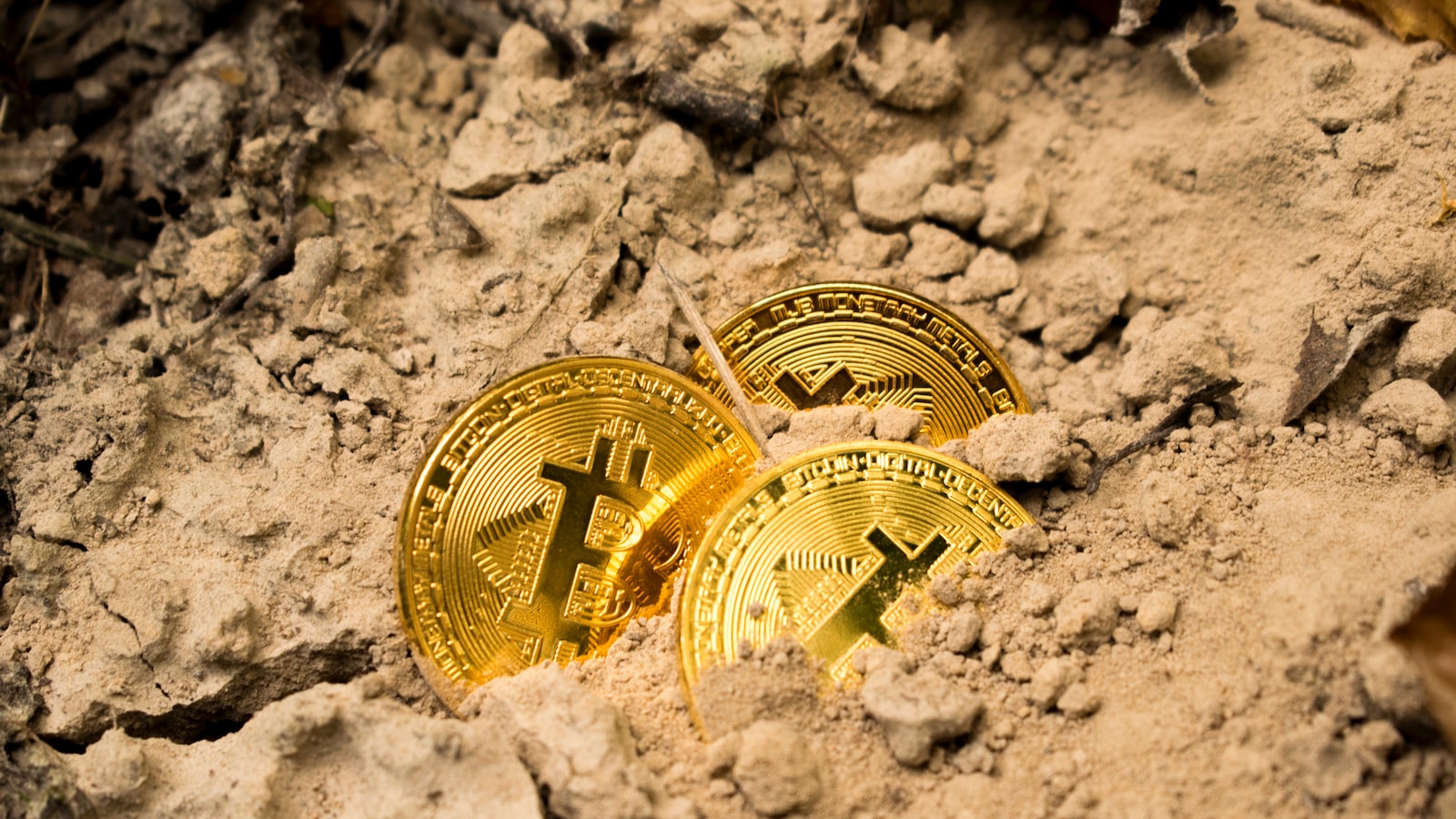
1. Bitcoin (BTC) Plummets Again: Causes and Outlook
Reasons Behind the Plunge
Bitcoin prices plunged by 10.81% in the span of one day on April 18, 2021. This marks the fourth consecutive day of double-digit dips for the world’s most popular cryptocurrency. Analysts attribute the sharp decline in bitcoin’s value to a number of factors:
- Upheaval in global stock markets and other asset classes
- Continuous sell-off of cryptocurrency futures and options
- A proposed capital gains tax, raised by the US government
- Grumblings about new regulations from the SEC and various legislatures
Speculation on Future Price Outlook
Bitcoin’s current trajectory could potentially alter the cryptocurrency landscape. After stagnating at around $61,000 per coin since early April, BTC is losing steam and is likely to skid much further. Cautious analysts anticipate the coin to drift down to around $50,000 soon. At the same time, more optimistic believers are pinning their hopes on another bull market to begin soon.
Alternatives to Bitcoin
For now, traders and investors should focus their attention on some of the other cryptocurrencies available. Ethereum is one prominent alternative and has the benefit of boasting a long-term growth trajectory. Ethereum has hit an all-time high of $2300 in January 2021, and it could be ready to hit a new high very soon. Other altcoins such as Cardano, Binance Coin, and Polkadot should be closely watched as well.
Conclusion
The future of Bitcoin is uncertain. Although the current plunge has put a damper on the cryptocurrency’s bullish rally, many analysts are optimistic that BTC will rally once again if the conditions improve. Until then, it’s best to turn your attention to other cryptocurrencies for higher gains.
2. The Deteriorating Performance of Bitcoin: A Closer Look
The digital currency Bitcoin has been experiencing a steady decline in recent years. Bitcoin’s market position and overall value have taken a notable dip, to the surprise of many.
Many market analysts point to a variety of factors as contributing to Bitcoin’s decreased performance. These factors range from overly enthusiastic investment to usage of risky strategies by traders to regulatory developments.
Overly Ambitious Investment
- The surging popularity of Bitcoin and other digital currencies in 2017 led to an influx of inexperienced investors.
- Many of these naïve investors made risky decisions that eventually backfired, hurting the value of Bitcoin.
Risky Strategies
- The new investors were joined by established traders, who employed overly aggressive trading strategies.
- These high-risk betting strategies caused Bitcoin prices to rise and fall excessively, eroding investor confidence.
Regulatory Changes
- The regulatory landscape for cryptocurrency trading is constantly shifting.
- Uncertainty created by changes in regulation has had a negative effect on Bitcoin prices.
3. What Factors May Have Contributed to Bitcoin’s Decline?
Since the 2018 peak of Bitcoin, the digital asset has been on a downward trend. Cryptocurrency enthusiasts, analysts, and traders have been trying to uncover the root cause for the prolonged decline. Here, we’ve compiled three possible explanations for the bear market.
Market Maturity
One reason could simply be the digital asset’s potential maturation of the market. After its initial launch in 2009, Bitcoin’s price began to grow exponentially and soon reached its peak in 2018. This rapid growth was spurred by hype, speculation, and fear as exchanges sprouted up all over the world. With fewer new investors entering the fray, there is less demand and the price is naturally reduced.
Regulation
- Regulatory uncertainty regarding cryptocurrencies is another major contributor to the asset’s decline. As governments start to take legal action against certain crypto-related activities, traders and investors are growing more cautious. With a lack of regulatory oversight, cyber criminals have been able to hack digital wallets in śecent incidents, further fueling traders’ fears.
Lack of Support
- The disinterest of institutional investors is another reason for Bitcoin’s ongoing decrease in price. Big banks and funds are yet to invest substantial amounts into the digital asset. But as long as Bitcoin remains wildly volatile and highly risky, institutional investors would be naturally hesitant.
4. Taking Stock of Bitcoin’s Future: What Investors Should Know
How Will Bitcoin Evolve?
As Bitcoin continues its long-term evolution, investors should stay up to date on all of its dynamic developments. Given the vast array of applications for this innovative technology, industry experts can only speculate how it will mutate. The possibilities are endless, but potential uses for Bitcoin include:
- Being used as a currency for international trade.
- Acting as a store of value leading to mainstream financial derivatives.
- Providing a more efficient and secure payment option.
- Creating new markets in areas where traditional banking systems can’t operate.
The impact Bitcoin could have in the long-term is yet to be seen, but potential growth areas include global consumer access, cryptocurrency-enabled cross-border payments, and expanding use cases. This means Bitcoin has the capacity to challenge the current banking system and provide a level of financial inclusion.
Being Prepared for Risks
As with any investment, investors should be aware of the potential risks associated with Bitcoin and exercise caution before committing. It’s important to do your own research and have an understanding of the training and tools required to navigate the markets. In particular, investors should be aware of the following:
- Volatility in Bitcoin prices.
- Potential cybersecurity threats.
- Changes in regulation and legal protections.
- Reliance on technology for delivery and storage.
It’s also essential for investors to understand the role of third-party service providers, some of which are unregulated, and realize that this can have an impact on their ability to access their investments. Doing business with such third-party service providers comes with many risks, such as hacks and theft.
What the Future Holds
Bitcoin has experienced remarkable growth in recent years, and its future outlook is promising. While cryptocurrency remains a relatively new asset class, its underlying value proposition makes it attractive to many investors. Even with the risks, investors should remain optimistic and look to the future of this dynamic currency. With businesses quickly adapting to accept Bitcoin payments and banks exploring the use of blockchain technology, the possibilities for Bitcoin are only getting bigger.
The impact of crypto markets largely depends on traders’ confidence in the technologies, market forces, and innovative ideas which contribute to their success. In the case of Bitcoin, the recent slump indicates the changing sentiments and investors’ trend of moving away from the cryptocurrency. Although it’s difficult to tell what