
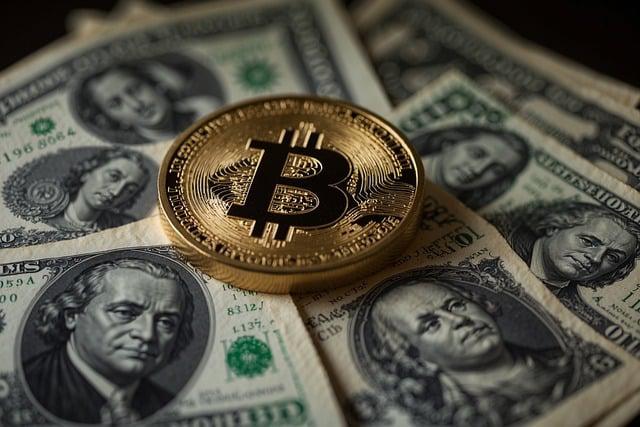

– What are the key factors that contribute to Bitcoin’s high volatility and potential for substantial returns?
**Bitcoin: Exploring the Evolving Dynamics of a Decentralized Currency**
Introduction
In the ever-evolving realm of finance, Bitcoin has emerged as a groundbreaking decentralized currency that has revolutionized investment strategies and challenged conventional financial norms. This article delves into the dynamic nature of Bitcoin, examining its risk-return profile, correlation with broader markets, and the intricacies of its market microstructure.
Risk-Return Profile
Bitcoin’s risk-return profile is unique compared to traditional financial assets. It exhibits high volatility, with significant price fluctuations over short periods. However, empirical studies have shown that Bitcoin also offers potential for substantial returns, particularly over longer time horizons. The risk-adjusted potential of Bitcoin makes it an attractive investment for those seeking diversification and the potential for high returns.
Correlation with Broader Markets
The correlation between Bitcoin and broader financial markets has been a subject of ongoing debate. While Bitcoin was initially considered a safe haven asset, recent research suggests that its correlation with traditional markets has increased over time. This correlation implies that Bitcoin may not provide the same level of diversification as previously believed.
Market Microstructure
The market microstructure of Bitcoin is distinct from traditional financial markets. Bitcoin transactions are recorded on a decentralized blockchain, which provides transparency and immutability. However, the lack of a central authority also introduces challenges, such as price manipulation and market inefficiencies. Understanding the market microstructure of Bitcoin is crucial for investors seeking to navigate its complexities.
Fundamental Factors Driving Price Fluctuations
Empirical analysis has identified several fundamental factors that drive Bitcoin’s price fluctuations. These include:
- Supply and demand: The limited supply of Bitcoin and the growing demand for it have been major drivers of its price appreciation.
* Regulatory developments: Regulatory uncertainty and government actions can significantly impact Bitcoin’s price.
-
Technological advancements: Innovations in blockchain technology and the development of new applications can boost Bitcoin’s value.
-
Media coverage and sentiment: Positive or negative media coverage and public sentiment can influence Bitcoin’s price.
Implications for Investors and Policymakers
The evolving dynamics of Bitcoin have significant implications for investors and financial policymakers. Investors should be aware of the unique risk-return profile and market microstructure of Bitcoin. They should also monitor fundamental factors that drive its price fluctuations.
Financial policymakers need to understand the potential impact of Bitcoin on the financial system. They should consider appropriate regulatory frameworks to mitigate risks while fostering innovation.
Conclusion
Bitcoin is a rapidly evolving decentralized currency that has reshaped the financial landscape. Its unique risk-return profile, correlation with broader markets, and market microstructure present both opportunities and challenges for investors. By understanding the fundamental factors driving Bitcoin’s price fluctuations, investors and policymakers can make informed decisions and navigate the complexities of this innovative digital asset.
Bitcoin: A Dynamic and Decentralized Digital Currency
Introduction
In the rapidly evolving financial landscape, Bitcoin has emerged as a transformative force, challenging traditional norms and reshaping investment strategies. This article explores the dynamic nature of Bitcoin, examining its risk-return profile, correlation with broader markets, and the intricacies of its market microstructure.
Bitcoin’s Evolving Risk-Return Profile
Bitcoin’s price fluctuations are driven by a complex interplay of factors. Fundamental factors, such as adoption rate, network growth, and technological advancements, influence long-term price trends. Speculative trading and market sentiment, on the other hand, contribute to short-term volatility. Understanding these factors is crucial for investors seeking to navigate the risks and rewards of Bitcoin.
Correlation with Broader Markets
The correlation between Bitcoin and broader markets has been a subject of debate. Some studies suggest a positive correlation, while others indicate a negative or neutral relationship. This correlation is likely to evolve over time, influenced by factors such as regulatory frameworks and Bitcoin’s integration into the mainstream financial system.
Market Microstructure and Price Dynamics
Empirical analysis has identified key drivers of Bitcoin’s price volatility, including macroeconomic indicators, global events, and social media sentiment. This analysis provides insights into the price discovery process and the determinants of Bitcoin’s value. Additionally, the study examines the relationship between Bitcoin and traditional financial assets, shedding light on its diversification potential and role as a potential hedge against systemic risks.
Implications for Investment Strategies
Bitcoin’s unique characteristics have implications for investment strategies. Its decentralized nature and high volatility make it an attractive asset for investors seeking diversification and potential for high returns. However, investors should carefully consider the risks associated with Bitcoin and allocate their investments accordingly.
Financial Policy Framework
The emergence of Bitcoin has raised questions about the financial policy framework. Governments and regulatory bodies need to address issues such as data privacy, algorithmic bias, and ethical considerations. Establishing clear regulations and standards for the use of Bitcoin is essential to ensure transparency, fairness, and the protection of investors.
Conclusion
Bitcoin’s decentralized and immutable nature presents both opportunities and challenges for the financial landscape. Further research is needed to fully understand its societal and economic consequences. As Bitcoin continues to evolve, it will be essential to monitor its development and engage in informed discussions about its role in shaping the future of finance.