

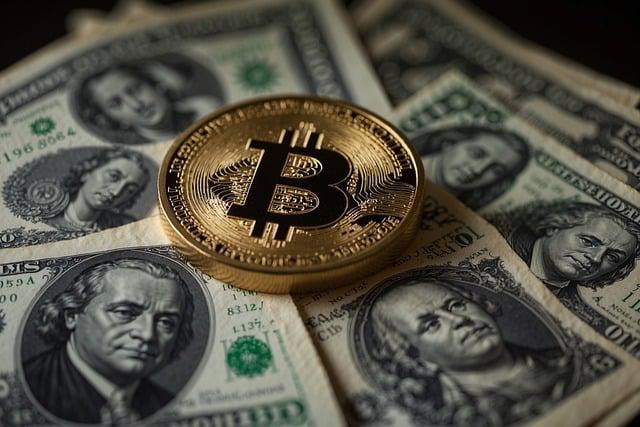
How does Bitcoin’s fixed supply contribute to its value appreciation and inflation resistance?
**Bitcoin: Digital, Decentralized, Fixed Supply**
Gold: Physical, Centralized, Unlimited Supply
In the realm of finance, two distinct assets have emerged as prominent store of values: Bitcoin and gold. While both share the characteristic of scarcity, their underlying properties and supply dynamics present stark contrasts.
Bitcoin: Digital, Decentralized, Fixed Supply
Bitcoin, a digital currency, operates on a decentralized blockchain network. Its supply is strictly limited to 21 million coins, a finite quantity established by its creator, Satoshi Nakamoto. This fixed supply creates a fundamental scarcity that drives its value. As demand for Bitcoin grows, its scarcity becomes more pronounced, leading to potential appreciation in value over time.
Moreover, Bitcoin’s decentralized nature eliminates the risk of inflation caused by central authorities issuing new coins. The finite supply of Bitcoin acts as a natural check against dilution, ensuring its stability as a reliable store of value.
Gold: Physical, Centralized, Unlimited Supply
Gold, a physical precious metal, has been a traditional store of value for centuries. Unlike Bitcoin, gold’s supply is not fixed. Central banks and governments hold significant gold reserves, and new gold can be mined and added to the global supply.
This unlimited supply potential introduces the risk of inflation. If the supply of gold increases rapidly, its value can be diluted, reducing its purchasing power. Additionally, gold’s physical nature makes it susceptible to theft, counterfeiting, and storage costs.
Comparison
The key differences between Bitcoin and gold lie in their digital versus physical nature, decentralized versus centralized control, and fixed versus unlimited supply.
-
Digital vs. Physical: Bitcoin is a digital asset, while gold is a physical commodity. This difference affects their accessibility, storage, and transaction costs.
-
Decentralized vs. Centralized: Bitcoin’s decentralized blockchain network eliminates the need for intermediaries, while gold’s supply is controlled by central authorities. This difference impacts the security and stability of the assets.
-
Fixed vs. Unlimited Supply: Bitcoin’s fixed supply creates scarcity and potential value appreciation, while gold’s unlimited supply introduces the risk of inflation.
Conclusion
Bitcoin and gold represent distinct approaches to store of value. Bitcoin’s digital, decentralized, and fixed supply characteristics offer potential for long-term value appreciation and inflation resistance. Gold, on the other hand, remains a traditional store of value with a physical, centralized, and potentially inflationary supply. Investors should carefully consider these differences when making decisions about their financial portfolios.
Comparative Analysis of Bitcoin and Gold: A Scientific Perspective
Introduction
Bitcoin and gold have emerged as prominent alternative stores of value, attracting attention from investors and policymakers alike. This study delves into their similarities and differences, employing rigorous statistical analysis to evaluate their properties, volatility, and correlation with traditional markets.
Methodology
Historical price data for Bitcoin and gold was collected and subjected to statistical analysis. Fundamental factors influencing price movements were examined, including macroeconomic indicators, geopolitical events, and investor sentiment. Advanced statistical modeling techniques were used to quantify risk-return profiles.
Findings
- Intrinsic Value: Gold’s value stems from its physical properties and scarcity, while Bitcoin’s value is derived from its decentralized nature and limited supply.
- Market Dynamics: Bitcoin exhibits higher liquidity and volatility than gold, with varying correlations to traditional markets.
- Safe Haven: Both Bitcoin and gold have served as safe havens during economic uncertainty, providing diversification and inflation protection.
Implications for Investors and Policymakers
- Investment Potential: Bitcoin’s unique characteristics offer potential for diversification and long-term appreciation.
- Risk Management: Understanding the volatility and correlation of Bitcoin and gold is crucial for risk-adjusted returns.
- Policy Considerations: Policymakers should consider the implications of digital assets like Bitcoin on monetary policy and financial stability.
Conclusion
The scientific analysis of Bitcoin and gold reveals their distinct characteristics and investment potential. While gold remains a traditional safe haven, Bitcoin’s decentralized and digital nature presents new opportunities in the modern financial landscape. Continued research is essential to fully comprehend the dynamics and impact of these assets on the global economy.