
Bitcoin Breaks Borders: A New Era in Global Finance
As Bitcoin continues to gain traction around the globe, it transcends traditional financial boundaries, reshaping the way we perceive money and transactions. This revolutionary digital currency is not just a tool for investment; it is rapidly becoming a universal medium of exchange. In many regions, bitcoin provides a lifeline to those underserved by conventional banking systems, offering unprecedented access to financial services. As we explore the implications of Bitcoin’s borderless nature, we examine the potential it holds for facilitating international trade, remittances, and financial inclusion in an increasingly interconnected world. Join us as we investigate the transformative power of Bitcoin across diverse economies and cultures.
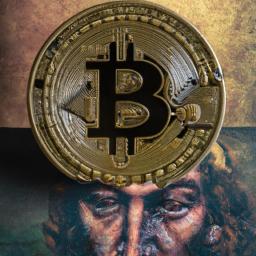
1. Bitcoin: A Global Currency Revolution
Bitcoin represents a seismic shift in the structure of global finance, challenging traditional banking systems and currency control. As a decentralized digital currency, it empowers individuals by allowing peer-to-peer transactions without the need for intermediaries. The implications of this technology are profound:
- Borderless Transactions: Users can transact with anyone, anywhere, facilitating international trade.
- Financial Inclusion: Bitcoin offers access to financial services for the unbanked population, enabling economic participation.
- Resistance to Inflation: With a capped supply of 21 million coins, Bitcoin acts as a hedge against inflationary fiat currencies.
Furthermore, the adoption of Bitcoin by corporations and financial institutions is accelerating, signaling a shift toward mainstream acceptance. As businesses explore blockchain technology for transparency and efficiency, the digital currency landscape is transforming. Key factors driving this integration include:
- Innovative Payment Solutions: companies are utilizing Bitcoin to streamline transactions and reduce fees.
- Investment Diversification: Investors are increasingly allocating to Bitcoin as a strategic asset to balance portfolios.
- Regulatory Developments: Evolving regulations are creating a framework that legitimizes Bitcoin in various jurisdictions.
To dive deeper into these trends and get exclusive insights, tune in to The Bitcoin Street Journal.


Exploring How Bitcoin Transcends National Boundaries
Bitcoin operates on a decentralized network, which allows it to transcend national boundaries and facilitate cross-border transactions with ease.This capability is particularly notable in regions where traditional banking systems are either lacking or unreliable.By leveraging blockchain technology, Bitcoin users can engage in peer-to-peer transactions without the need for intermediaries, resulting in lower fees and faster transfer times. Some of the key advantages include:
- Accessibility: Individuals without access to banking services can engage in global commerce.
- Speed: Transactions that typically take days using conventional banking methods can be completed in minutes.
- Security: The blockchain ledger provides a transparent and immutable record of transactions.
Moreover, Bitcoin’s borderless nature enables it to serve as a hedge against local economic instability and hyperinflation.Citizens in countries with weak currencies can convert their savings into Bitcoin, thus maintaining their wealth in a more stable form.This has led to increased adoption of Bitcoin in countries experiencing economic challenges, significantly impacting global remittance flows. Notably, users are not bound by national regulations but rather operate within a global ecosystem. For more insights, tune in to our podcasts at The Bitcoin Street Journal.


2. The impact of Bitcoin on International trade
Bitcoin’s entrance into the realm of international trade has been marked by significant transformations. By offering greater accessibility and decreased transaction costs, Bitcoin presents a decentralized alternative to traditional banking methods. this shift has particularly benefited businesses in developing countries, allowing them to engage in global commerce without the impediments typically associated with currency exchange and cross-border transactions. Moreover, Bitcoin’s ability to facilitate near-instantaneous transfers across borders mitigates the delays that often plague international transactions.
As companies increasingly adopt Bitcoin, the implications for international trade continue to evolve.Businesses now have the chance to diversify their payment methods, leading to increased competition in the marketplace. Additionally, the growing acceptance of Bitcoin as a legitimate currency among traders can influence price volatility and create new market dynamics.adopting Bitcoin can also enhance transparency,as blockchain technology enables tracking of transactions in a secure manner. For a more in-depth analysis on these trends, listen to our latest podcast here.
Examining Its Role in Cross-Border Transactions
Bitcoin has emerged as a transformative force in cross-border transactions, providing an alternative to traditional banking systems. With its decentralized nature, it circumvents the lengthy processes and high fees typically associated with international wire transfers. As businesses and individuals seek faster and more cost-effective solutions, Bitcoin offers several key advantages:
- Lower Transaction Costs: Sending Bitcoin across borders can significantly reduce costs compared to conventional methods, especially for large transactions.
- Speed of Transactions: Bitcoin transactions can be processed in a matter of minutes, lessening the waiting time that often plagues international transfers.
- Accessibility: Bitcoin is available to anyone with internet access, making it easier for those in underbanked regions to engage in global trade.
Moreover, the role of Bitcoin in cross-border transactions is evolving as more merchants and service providers begin to accept it as payment. This increasing adoption fosters a more inclusive global marketplace, enabling seamless trade regardless of geographical boundaries.The implications for businesses and consumers alike are profound,as they reduce reliance on local currencies and the fluctuations that accompany them. To explore how Bitcoin continues to shape cross-border transactions, listen to our insights here.


3. Regulatory Challenges and Opportunities
As Bitcoin continues its ascent, the landscape of regulatory frameworks around cryptocurrencies is evolving, presenting both challenges and opportunities for investors and stakeholders. Countries are increasingly introducing stringent regulations aimed at curbing illicit activities and protecting consumers. However, these regulations can also foster innovation and a more secure trading environment.Key aspects of these developments include:
- Clarity in Compliance: The establishment of defined guidelines can simplify compliance for businesses,making it easier for them to operate legally.
- Consumer protection: Regulations aimed at safeguarding investors can enhance trust and credibility in the cryptocurrency market.
On the flip side, overly restrictive measures may stifle innovation and limit market access, presenting hurdles for startups and established players alike. The challenge lies in balancing regulatory oversight with the need for a thriving, dynamic market. As various jurisdictions adopt different approaches, the potential for a fragmented regulatory environment increases, complicating international transactions. Stakeholders must navigate this complex landscape while remaining informed about the latest developments. For in-depth analysis and insights, listen to our discussions on Bitcoin Street Journal.


Understanding How Different Countries Approach Bitcoin
Countries across the globe exhibit a diverse array of attitudes and regulations toward Bitcoin. In some nations, Bitcoin is embraced as a legitimate currency, fueling innovation in the financial sector. As an example:
- El Salvador: The first country to adopt Bitcoin as legal tender, facilitating transactions alongside the US dollar.
- Germany: Recognizes Bitcoin as a form of private money, allowing its use in transactions and treating it similarly to traditional currency.
- Singapore: Offers a supportive regulatory environment for cryptocurrency startups, fostering growth and adoption.
Conversely, other countries impose strict regulations or outright bans on Bitcoin usage. For example:
- China: Enforced bans on cryptocurrency trading and Initial Coin Offerings (ICOs), citing risks to financial stability.
- India: Has fluctuated in its stance, proposing legislation that could potentially criminalize Bitcoin transactions.
- Bangladesh: Illegally trades cryptocurrencies, with the government warning against participation.
These varying approaches contribute to the complex landscape of cryptocurrency adoption and investment. understanding these differences is crucial for investors, as regulatory environments can significantly impact market dynamics and investment strategies. For an in-depth analysis of how these factors play out in real time, listen to the latest episode of the Bitcoin Street Journal here.


4. The Future of Bitcoin in a Borderless Economy
The potential of Bitcoin in a borderless economy is becoming increasingly evident as the world becomes more interconnected. Its decentralized nature allows for seamless transactions across national boundaries, reducing the reliance on traditional banking systems. This capability is particularly advantageous for individuals in countries facing economic instability or stringent capital controls. By leveraging Bitcoin, users can transfer value instantaneously, without the need for intermediaries. The implications for international trade and cross-border remittances are significant, leading to cost efficiencies and enhanced agility in global commerce.
moreover, as Bitcoin continues to gain traction globally, its role in fostering financial inclusion cannot be overstated. With millions of individuals lacking access to banking services, Bitcoin provides an alternative means for economic participation. Key benefits include:
- Lower transaction fees compared to traditional money transfer methods.
- Accessibility for anyone with an internet connection.
- Resistance to censorship and government intervention.
As the demand for cryptocurrencies grows, Bitcoin stands poised to redefine how people think about money and value in an increasingly borderless digital economy. for more insights on this evolving landscape, listen to our latest discussion at The Bitcoin Street journal.
Predicting Its Potential to Transform Global Financial Systems
As Bitcoin continues to gain traction, its potential to revolutionize global financial systems is becoming increasingly evident. This cryptocurrency offers unique advantages that traditional financial structures struggle to match.Key characteristics contributing to this transformation include:
- Decentralization: eliminates the need for intermediaries, reducing transaction costs and increasing efficiency.
- Transparency: Transactions are recorded on a public ledger, promoting trust and reducing fraud.
- Accessibility: Provides financial services to the unbanked, enabling wider participation in the global economy.
The increasing adoption of Bitcoin by corporations and financial institutions suggests a growing recognition of its value. Moreover,regulatory developments may enhance its legitimacy,paving the way for broader integration into financial systems. Analysts predict that as more individuals and entities embrace Bitcoin, it could establish itself as a primary medium of exchange. For more insights, listen to our in-depth analysis at The Bitcoin Street Journal.
As the world of finance continues to shift beneath our feet, Bitcoin stands as a formidable force, transcending geographic limitations and transforming how we view currency. Its technology fosters global inclusivity, allowing individuals in underserved regions to access financial services previously beyond their reach. The ongoing evolution of Bitcoin promises not only to alter the landscape of investment but also to redefine our understanding of economic borders. As we navigate these changes, stakeholders must remain vigilant, informed, and adaptable to harness Bitcoin’s potential fully. The journey has just begun, and its implications could reverberate across economies for years to come. Stay tuned for more insights as we monitor this groundbreaking phenomenon.