

In the ever-evolving landscape of modern finance, alternative currencies such as Bitcoin and gold have garnered significant attention. While both serve as mediums of exchange, they present a contrasting array of attributes. This article delves into the fundamental differences between these two distinct forms of currency, exploring their respective characteristics, fluctuations, and potential for returns. By comparing Bitcoin’s digital nature and decentralized network to gold’s tangible form and historical value, investors can gain a comprehensive understanding of each asset’s unique qualities. Whether navigating the realms of Bitcoin’s volatility or leveraging gold’s time-tested stability, a clear evaluation of investment goals and risk tolerance is paramount.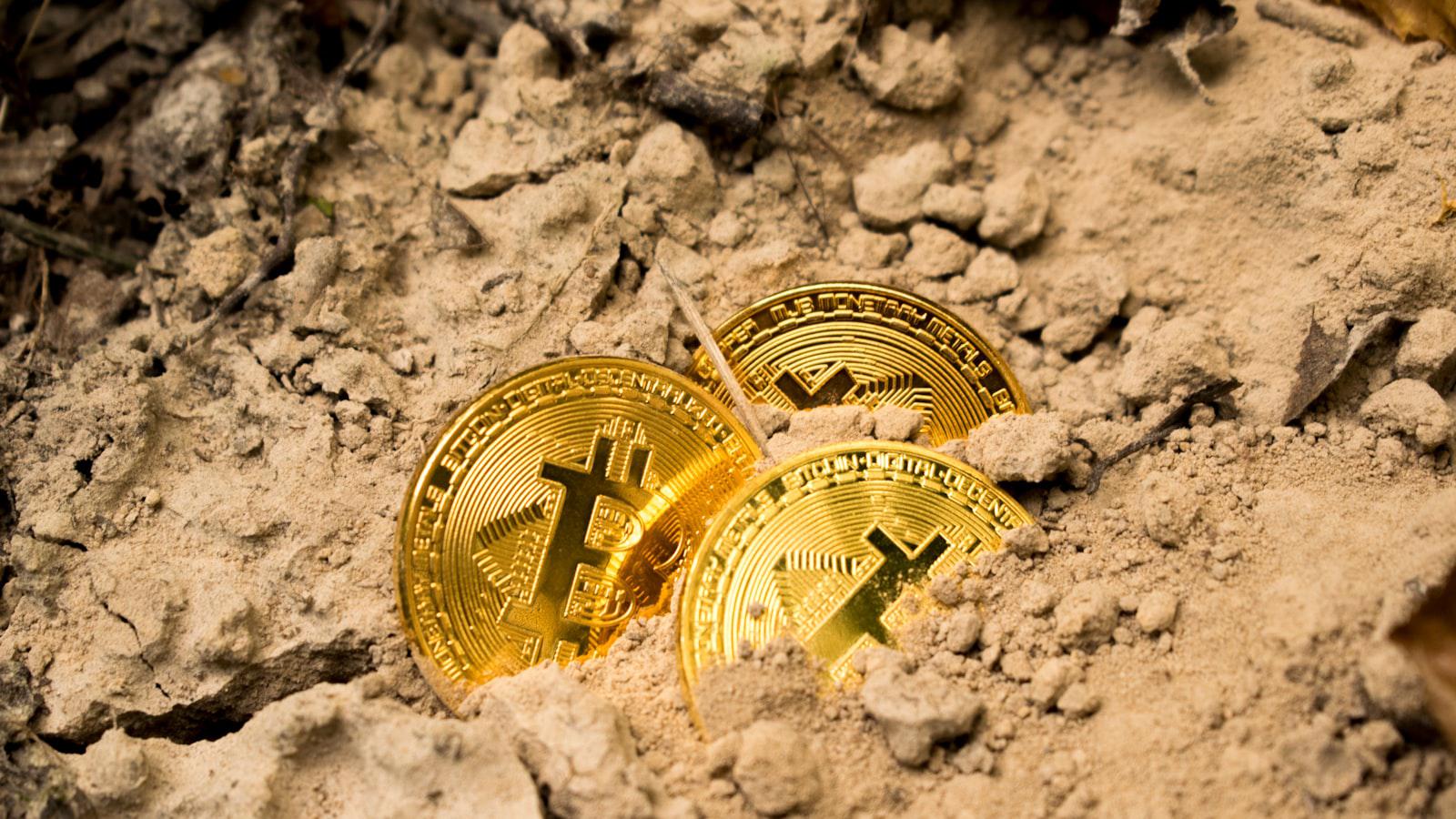
## Bitcoin vs. Gold: Understanding the Differences
Supply and Scarcity:
Gold has a limited supply, making it scarce. Its annual production is relatively low, ensuring its scarcity and preserving its value. Bitcoin, on the other hand, has a predetermined supply cap of 21 million coins, which means no new Bitcoins can be created after this limit is reached. This also makes it a scarce asset, although the release of new coins into circulation is controlled by mathematical factors rather than physical limitations.
Transaction Fees and Flexibility:
Transactions involving gold incur substantial fees, especially for large sums or international transfers. The physical transportation of gold is costly and involves risks or delays. Bitcoin transactions, however, have relatively low fees and can be executed quickly and securely over the internet. This makes Bitcoin more flexible and accessible for smaller transactions or cross-border payments.
## The Evolving Landscape of Currency: A Comparison of Bitcoin and Gold
Virtual vs. Physical: Decentralization and Security
Bitcoin’s decentralized nature stands in stark contrast to gold’s centralized storage. Bitcoin operates on a distributed ledger technology, ensuring that no single entity controls the supply. This decentralization enhances security, as it eliminates the risk of a single point of failure or manipulation. On the other hand, gold’s physical nature requires secure storage and transportation, which can introduce vulnerabilities to theft or counterfeiting.
Fluctuating Values: Speculation vs. Hedge
Both Bitcoin and gold exhibit price volatility, driven by supply and demand dynamics. However, their fluctuations differ in nature. Bitcoin’s price is highly speculative, influenced by factors such as regulatory changes, technology advancements, and market sentiment. This volatility can create both opportunities and risks for investors. In contrast, gold has historically served as a safe-haven asset during economic uncertainty, providing a hedge against inflation and currency devaluation. Its price tends to be more stable, reflecting its long-standing role as a store of value.
In conclusion, Bitcoin and gold, while both forms of currency, exhibit distinct characteristics. Bitcoin, a digital asset operating on a decentralized network, presents higher volatility and potential returns compared to gold, a tangible commodity with a long-standing history. The optimal choice between these assets hinges on the individual’s financial objectives and tolerance for risk, emphasizing the need for careful consideration based on one’s unique circumstances.