

Bitcoin: A Paradigm Shift in Global Finance
In the rapidly evolving landscape of global finance, a transformative force has emerged, challenging conventional frameworks and reshaping the way we think about money and financial systems. Bitcoin, the enigmatic digital currency, has ignited a revolution that portends to be as profound as the advent of the internet itself. This article delves into the intricacies of Bitcoin, exploring its disruptive potential and its implications for the future of global finance. We will analyze its underlying technology, examine its economic significance, and unravel the regulatory challenges it poses. As we navigate the uncharted territory charted by Bitcoin, this article aims to provide clarity amid the misconceptions and shed light on the transformative potential of this groundbreaking digital asset.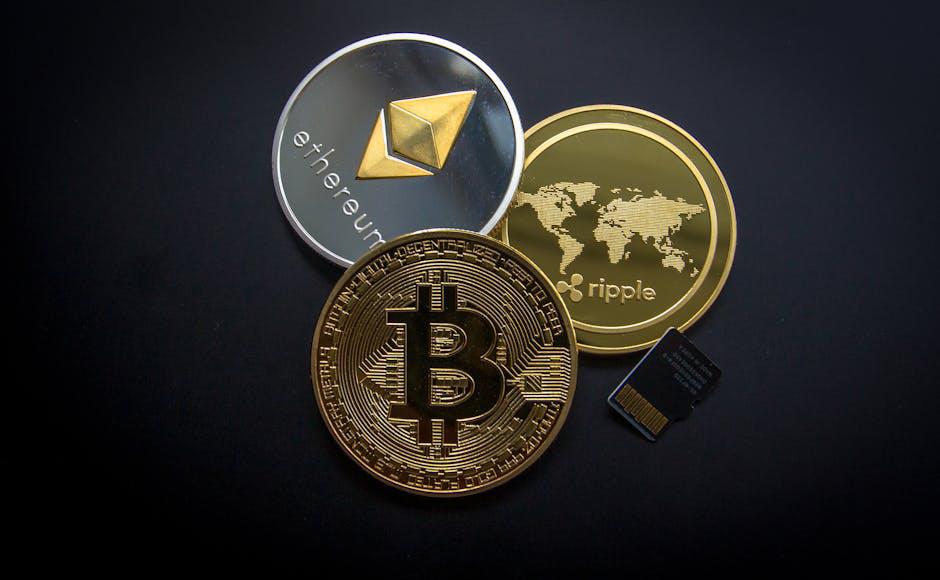
1. Bitcoin: The Revolutionary Disruptor of Global Monetary Systems
Bitcoin, introduced in 2009, has emerged as a transformative force in the global monetary landscape. Underpinned by blockchain technology, Bitcoin operates as a decentralized digital currency, free from the confines of central banks or governments. Its peer-to-peer transaction network enables individuals to transact directly without intermediaries, challenging the traditional dominance of financial institutions.
Bitcoin has disrupted the global financial system in several ways. Firstly, it has introduced a new concept of value and exchange, independent of traditional fiat currencies. Its scarcity and predefined issuance limit have made it a compelling store of value and a potential hedge against inflation. Secondly, Bitcoin’s decentralized nature has empowered individuals and reduced their reliance on centralized financial entities. By removing the need for intermediaries, Bitcoin has lowered transaction costs and increased financial inclusion for underserved populations.
2. Embracing Disruptive Innovation: Bitcoin’s Role in Shaping the Future of Finance
Bitcoin has emerged as a catalyst for disruptive innovation in the financial sector. Its decentralized blockchain technology challenges traditional banking systems and introduces a decentralized, peer-to-peer monetary system. Its inherent immutability ensures transparency and accountability, addressing inefficiencies and lack of trust associated with conventional finance.
Moreover, Bitcoin’s scarcity and fixed supply has led some to consider it as a store of value and hedge against inflation. Its price appreciation over time, while volatile, has attracted investors seeking refuge in a decentralized, digital alternative to fiat currencies. As digital asset adoption grows, Bitcoin’s potential to disrupt the financial landscape and challenge established norms continues to be explored and debated. However, it is clear that Bitcoin has ignited a transformative journey for the financial industry, compelling traditional institutions to adapt and embrace the transformative power of disruptive innovation.
In conclusion, Bitcoin has initiated a paradigm shift in global finance, challenging traditional financial systems and revolutionizing the way we perceive and transact value. As the digital currency continues to gain traction and evolve, it has the potential to transform monetary policies, payments, and even the global financial landscape. Bitcoin’s impact is undeniable, and its legacy as a disruptive force in the world of finance will continue to shape the future of economic interactions for years to come.