

In the ever-evolving realm of finance, Bitcoin has emerged as a transformative force, ushering in a paradigm shift that is redefining the way we interact with money, investments, and financial systems. This article takes a deep dive into Bitcoin’s revolutionary impact on the financial landscape, exploring its genesis, its disruptive characteristics, and its far-reaching consequences for the global economy, empowering investors and reshaping the financial landscape at its core.
– The Dawn of Digital Currency: Bitcoin’s Revolutionary Impact
Bitcoin’s emergence has revolutionized the financial landscape. Its decentralized, peer-to-peer network eliminated intermediaries, creating a new system for online transactions. Bitcoin’s unique properties, such as transparency, security, and immutability, have attracted investors and users worldwide.
The impact of this digital currency extends beyond the financial realm. It has challenged traditional monetary systems, prompted regulatory debates, and sparked innovation in the technology sector. Furthermore, Bitcoin has fostered new investment opportunities, stimulated global economic activity, and empowered individuals with greater financial autonomy. The rise of Bitcoin has ushered in an era of transformative technologies with profound implications for the future of money and the global economy.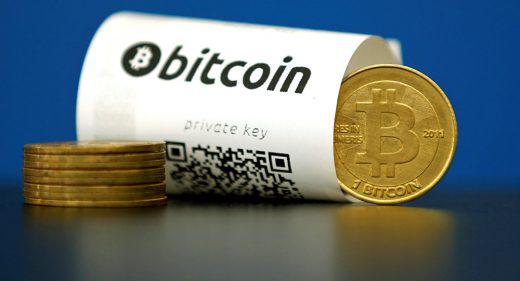
– From Shadows to Spotlight: Bitcoin’s Rise in the Financial Arena
Once dismissed as a fringe asset, Bitcoin has ascended to the forefront of financial conversations. Its meteoric rise has fueled a surge in interest from institutional investors, who are eager to tap into the potential of this emerging asset class.
Institutional Adoption
The past few years have witnessed a significant influx of institutional players entering the Bitcoin market. Leading asset managers, hedge funds, and pension funds have allocated portions of their portfolios to Bitcoin, signaling a growing recognition of its long-term potential. This institutional adoption has brought stability and legitimacy to the asset class, increasing its appeal to broader investor segments.
In conclusion, Bitcoin has emerged as a technological and financial revolution, reshaping the very fabric of monetary transactions. Its decentralized and pseudonymous nature challenges the traditional banking system and empowers individuals with unprecedented control over their finances. While its volatility and regulatory uncertainties persist, Bitcoin’s transformative potential cannot be understated. As it continues to evolve, it is likely to shape the future of finance and propel innovation across multiple industries. Bitcoin’s impact on the global financial landscape will continue to be closely observed and undoubtedly debated, solidifying its place as a testament to the transformative power of decentralized technologies.