

Bitcoin: A Pivotal Moment in Finance and Technology
In the rapidly evolving landscape of finance and technology, the advent of Bitcoin has ignited both fervor and skepticism. As the world grapples with the true nature of this enigmatic asset, the question that looms large is whether Bitcoin represents a transformative financial revolution or an ephemeral technological bubble. This article delves into the compelling arguments and evidence surrounding both perspectives, examining the profound implications that Bitcoin’s trajectory could have on the global financial system and the wider technological realm.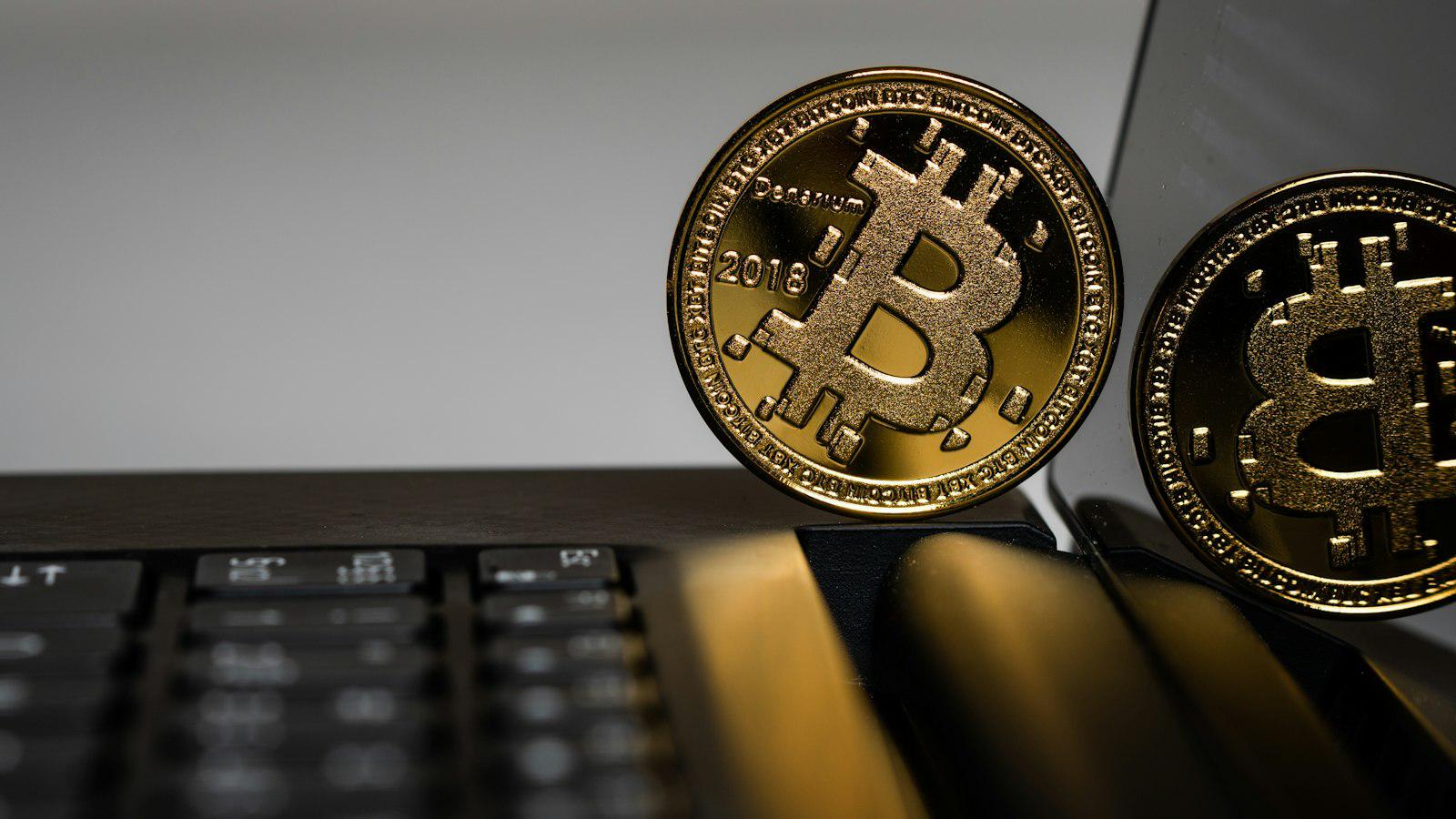
* Bitcoin: The Dawn of a New Era in Finance or an Inevitable Burst?
The Dawn of a New Era or a Looming Bubble?
Bitcoin has emerged as a revolutionary force in the financial world, sparking both excitement and skepticism. Proponents hail it as the dawn of a new era, offering unparalleled security, transparency, and decentralization. They point to its finite supply, tamper-proof nature, and ability to facilitate cross-border transactions with minimal fees.
However, detractors express concerns that Bitcoin may be an unsustainable bubble, driven by speculation rather than intrinsic value. They cite its high price volatility, vulnerability to hacking, and limited acceptance as a mainstream currency. Additionally, the energy-intensive mining process raises environmental concerns. As we navigate this uncharted territory, it remains to be seen whether Bitcoin will solidify its place as a transformative financial tool or succumb to the fate of countless other “get-rich-quick” schemes.
* Bitcoin’s Rise: A Paradigm Shift or a Dangerous Delusion?
The rise of Bitcoin has sparked significant debate, with proponents hailing it as a paradigm shift in finance, while critics dismiss it as a dangerous delusion. Supporters argue that the decentralized nature of Bitcoin, its limited supply, and its increasing adoption as a legitimate form of payment herald a new era of financial freedom and stability. They point to its resilience during market downturns and its potential to disrupt traditional banking models.
Skeptics, however, raise concerns about Bitcoin’s volatility, the potential for manipulation, and its limited use as a practical means of exchange. They argue that its value is driven by speculation rather than underlying economic fundamentals, making it vulnerable to sharp declines and potentially catastrophic bubbles. Additionally, they question the scalability of Bitcoin’s network, its energy consumption, and the regulatory uncertainties surrounding its use and trading.
In conclusion, the debate on Bitcoin’s true nature as a financial revolution or a technological bubble remains unresolved. While it holds immense promise for transforming the financial landscape, its volatility and uncertain regulatory framework cast doubt on its long-term viability. Whether Bitcoin lives up to its potential or falters under the weight of speculation remains to be seen. However, its undeniable impact on the dialogue surrounding digital currencies and the future of finance ensures its significance, regardless of its ultimate destiny.