

In the ever-evolving realm of finance, Bitcoin, the decentralized digital currency, has emerged as a pivotal force, challenging traditional financial norms and captivating the attention of investors, regulators, and the public alike. With its decentralized architecture, unprecedented security features, and borderless accessibility, Bitcoin has ignited a transformative shift within the financial landscape, leaving an indelible mark on how we perceive and interact with money. This article delves into the disruptive impact of Bitcoin, exploring its revolutionary characteristics, examining its proliferation across industries, and analyzing the potential long-term implications for the global financial system. As Bitcoin continues its ascent, we aim to unravel its profound influence, shedding light on the opportunities and challenges it presents in the rapidly evolving world of finance.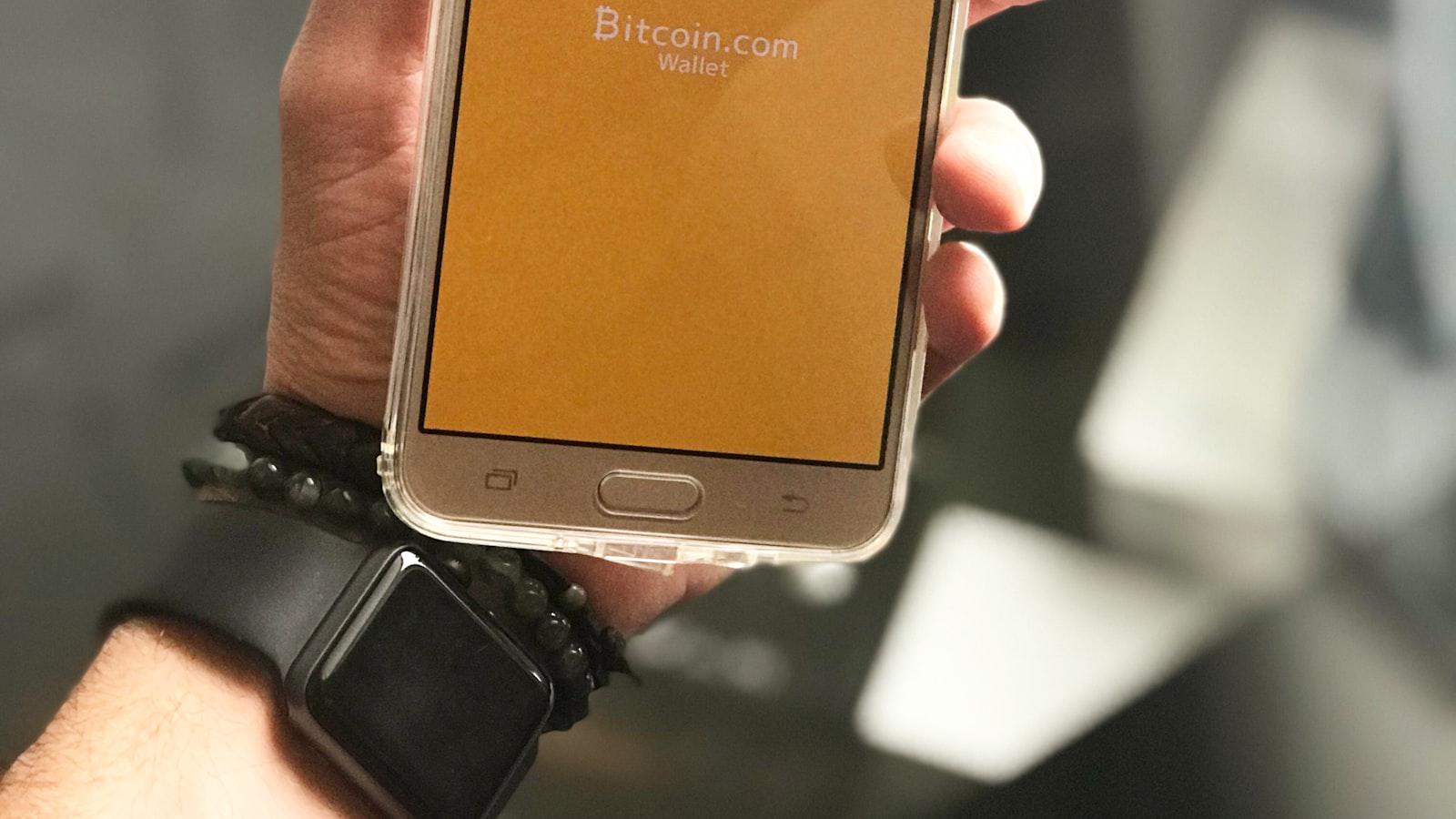
1. Bitcoin’s Emergence as a Paradigm Shift
In the annals of financial history, the emergence of Bitcoin in 2009 marked an unprecedented paradigm shift. The first decentralized digital currency, it challenged traditional notions of money, disrupting the hegemony of centralized financial institutions. Bitcoin’s distributed ledger technology, where transactions are recorded not on a single server but across a network of interconnected computers, ensured the immutability and transparency of financial records. This innovation paved the way for a new era of financial freedom, empowerment, and disintermediation.
Moreover, Bitcoin’s scarcity by design, with a finite supply capped at 21 million, distinguished it from fiat currencies prone to inflation. Its programmability through smart contracts further accelerated the pace of innovation, enabling the development of decentralized applications (dApps) that offered a wide range of financial services, from lending and borrowing to gaming and social media. As a result, Bitcoin has ushered in a transformative wave of financial innovation and disintermediation, challenging the status quo and empowering individuals to take control of their financial futures.
2. Decentralization and the Unraveling of Traditional Finance
Decentralization disrupts traditional finance by empowering individuals and businesses to engage directly in financial transactions, bypassing intermediaries like banks and clearinghouses. Blockchain technology provides a secure and transparent platform for peer-to-peer lending, insurance, and asset trading, opening up opportunities for financial inclusion and reducing reliance on centralized institutions.
Moreover, decentralized finance challenges established financial systems by introducing innovative products and services. Digital tokens and smart contracts enable the creation of alternative investment vehicles, yield-generating protocols, and decentralized autonomous organizations (DAOs). These advancements democratize access to financial markets, empower investors, and drive competition, potentially transforming the very nature of financial services.
3. Exploring Bitcoin’s Impact on Established Institutions
Bitcoin’s decentralized and immutable nature has sparked concerns and challenges for traditional institutions, including banks and central authorities. Financial institutions, accustomed to centralized control over monetary systems, now face competition from a decentralized currency that operates outside their regulatory purview. This has led to discussions about the potential disintermediation of banks and the need for financial institutions to adapt their offerings and business models to accommodate digital currencies.
Moreover, Bitcoin’s underlying blockchain technology has the potential to disrupt industries beyond finance. Sectors such as healthcare, supply chain management, and real estate could benefit from blockchain’s enhanced transparency, security, and traceability. Established institutions in these industries may need to embrace blockchain technology to maintain their competitive advantage and remain relevant in the evolving landscape shaped by digital assets and distributed ledger technology.
In conclusion, Bitcoin has undoubtedly revolutionized the financial ecosystem, upending traditional finance models and challenging the existing financial order. Its decentralized nature, transparency, and immutability present both opportunities and challenges for global economies and regulators. As the world grapples with the implications of this transformative technology, it is evident that Bitcoin’s disruptive influence will continue to shape the future of finance. Its impact on global markets, investment strategies, and financial regulation remains an evolving story, one that will undoubtedly unfold in the years to come.