

– Bitcoin: The Birth of Digital Currency
Bitcoin: The Birth of Digital Currency
- Bitcoin is one of the most popular and commonly known digital currencies in the world.
- Digital currencies, like Bitcoin, are a form of electronic cash, but instead of being physical like traditional currencies, it exists online. This allows transactions between users to take place on a secure computer network without the need for an intermediary such as a bank or government.

– Bitcoin: Disrupting the Financial Landscape
Bitcoin: Disrupting the Financial Landscape
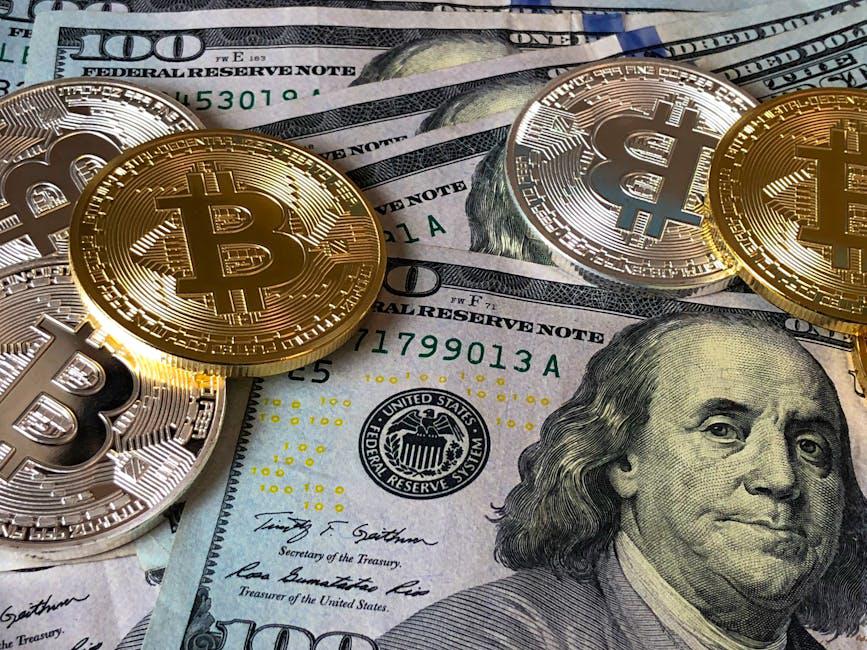
Bitcoin, the decentralized digital currency, has emerged as a formidable force in the financial sector. Its underlying blockchain technology offers numerous advantages, including increased transparency, reduced transaction costs, and improved security. Consequently, it is disrupting traditional financial systems and challenging the dominance of centralized institutions.
Since its inception in 2009, Bitcoin has gained widespread adoption, with millions of users worldwide. Governments and central banks are exploring its potential to enhance monetary systems. Moreover, its finite supply and immutable ledger make it an attractive investment, leading to increased institutional participation and price volatility. As a result, Bitcoin continues to make significant waves in the financial industry, reshaping the way we transact, invest, and interact with money.
– Understanding Bitcoin: Investing and Market Dynamics
Understanding Bitcoin: Investing and Market Dynamics
Understanding Bitcoin’s unique characteristics is crucial for successful investing. Unlike traditional assets, Bitcoin is decentralized, meaning it’s not controlled by a central authority like a bank or government. This gives it a unique level of independence and resistance to censorship. However, it also means that its value is primarily determined by market forces, making it highly volatile.
Bitcoin’s volatility can be both an opportunity and a challenge. While it can lead to significant price swings, it also provides the potential for substantial returns. Investors who are able to understand and navigate these market dynamics can position themselves to capitalize on these opportunities. Proper risk management is essential, as Bitcoin is still a developing asset class and substantial losses are always possible.
– Bitcoin’s Potential: A Future of Innovation
Bitcoin’s Potential: A Future of Innovation
-
Increased Accessibility and Financial Inclusion: Bitcoin’s decentralized nature and low transaction fees make it accessible to individuals in underserved communities and regions with limited access to traditional financial services. It offers a means of storing value, making payments, and participating in the global economy, fostering greater financial inclusion and empowering marginalized populations.
-
Innovation and Entrepreneurship: Bitcoin’s blockchain technology provides a secure and transparent platform for developing innovative applications in various sectors, including finance, supply chain management, and healthcare. This open-source ecosystem promotes collaboration, experimentation, and the emergence of new business models, driving economic growth and technological advancements.
The article “Bitcoin: A Comprehensive Guide to the Digital Currency Revolution” provides a comprehensive overview of the transformative power of Bitcoin. From its decentralized architecture to its potential as a store of value, Bitcoin is revolutionizing the financial landscape. Gaining insights from industry experts on various platforms, including The Bitcoin Street Journal, helps investors and enthusiasts alike make informed decisions about embracing Bitcoin’s transformative potential.