

– Understanding Bitcoin: Origins and Fundamentals
Origins of Bitcoin:
Bitcoin emerged in 2008 during the global financial crisis as a decentralized digital currency. It was introduced through a whitepaper by a pseudonymous individual or group known as Satoshi Nakamoto. Bitcoin aimed to address the perceived weaknesses of centralized banking systems, such as vulnerability to inflation, manipulation, and third-party control.
Fundamental Characteristics:
Bitcoin operates on a blockchain, a distributed ledger that records all transactions in a secure and transparent manner. Each block contains a hash of the previous block, creating an immutable chain. Bitcoin’s key features include:
- Decentralization: Transactions are verified and processed by a network of independent nodes, eliminating the need for intermediaries like banks.
- Pseudonymity: Users can interact with the network using unique addresses without revealing their personal identities.
- Limited Supply: There will only ever be 21 million Bitcoins, ensuring scarcity and potentially increasing value over time.

– Investing in Bitcoin: Risks, Returns, and Strategies
Risks of Investing in Bitcoin:
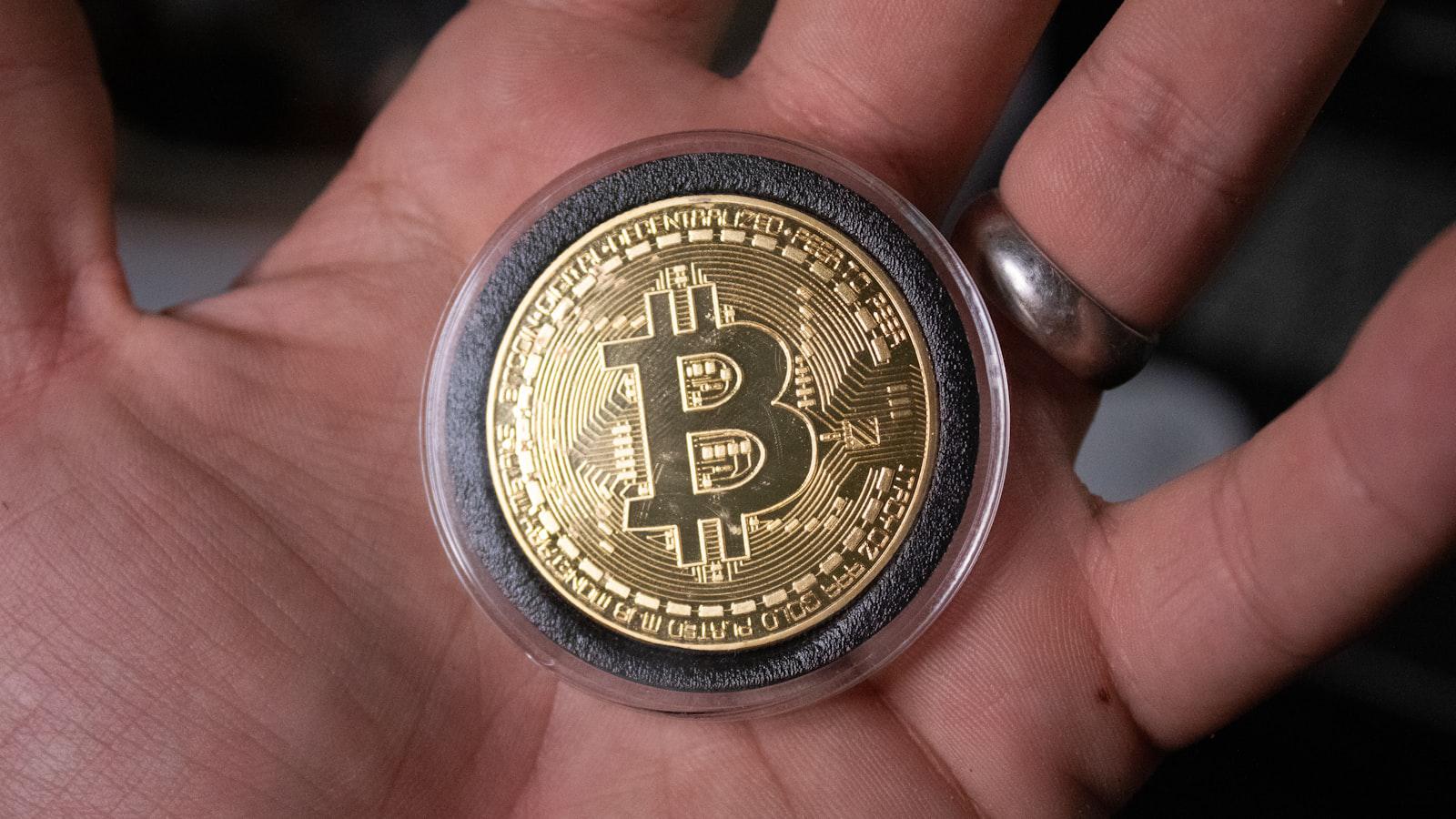
Like any investment, investing in Bitcoin carries risks. The most significant risk is the volatility of the market. Bitcoin’s price can fluctuate drastically in a short period of time, making it a risky investment for the faint of heart. Another risk is the lack of regulation. Unlike traditional financial assets, Bitcoin is not regulated by any central authority. This can make it difficult to recover lost funds in the event of a hack or fraud.
Strategies for Investing in Bitcoin:
Despite the risks, Bitcoin can still be a lucrative investment for those willing to do their research and invest wisely. One common strategy is dollar-cost averaging, where investors buy Bitcoin on a regular basis, regardless of the price. This helps to reduce the risk of buying at a high point. Another strategy is hodling, which involves holding Bitcoin long-term in the belief that its value will appreciate over time. Additionally, investors can consider using leverage, which involves borrowing funds to invest in Bitcoin. However, leverage can also increase the risk of losses, so it should be used with caution.
– Trading Bitcoin: Platforms, Techniques, and Considerations
Trading Platforms and Techniques
Various platforms provide access to Bitcoin trading, including centralized exchanges such as Coinbase and Binance, and decentralized exchanges like Uniswap and PancakeSwap. These platforms offer diverse features, such as order types, trading fees, and security measures, catering to different trader needs and preferences.
To navigate the complex world of Bitcoin trading, traders employ various techniques. These include scalping, profiting from small price movements over short timeframes; swing trading, holding positions for days or weeks to capture larger price swings; and arbitrage, exploiting price differences between exchanges for risk-free returns. Traders also utilize technical analysis tools, such as moving averages, support and resistance levels, and candlestick patterns, to identify potential trading opportunities.
– The Future of Bitcoin: Potential, Challenges, and Predictions
Potential Outlook and Challenges:
Bitcoin’s growth has been exponential, leading to speculation about its future prospects. Its decentralized and immutable nature has drawn investors seeking a hedge against economic volatility. Additionally, its use as a payment method is expanding, potentially revolutionizing the global finance sector. However, Bitcoin faces challenges like scalability limitations, regulatory uncertainties, and market manipulation. These barriers need to be addressed to ensure its long-term sustainability.
Predictions and Speculations:
Experts have varying opinions on Bitcoin’s trajectory. Some predict it will become a mainstream financial asset, surpassing traditional currencies. Others believe it will stabilize as a digital store of value, similar to gold. There are also concerns about a potential market bubble and the volatility associated with such a speculative asset. Despite the uncertainties, Bitcoin’s potential to disrupt industries and redefine financial systems remains undeniable, making it an intriguing asset to watch as it navigates the evolving digital landscape.
In conclusion, navigating the complexities of Bitcoin can be daunting for beginners. However, by gaining a thorough understanding of its fundamentals, you can make informed decisions while venturing into this decentralized financial realm. Embark on further exploration, seek professional advice if needed, and stay abreast of industry advancements to maximize your Bitcoin journey. Whether you’re seeking investment opportunities or simply exploring the transformative power of blockchain technology, the insights provided in this comprehensive guide will serve as a valuable foundation as you delve into the fascinating world of Bitcoin.