

Biden Raises Alarm on Deepfake Threats, Calls for Robust Privacy Protections
In his recent State of the Union address, President Joe Biden highlighted the growing issue of deepfake technology and its potential to undermine democracy and erode public trust. He underscored the urgent need for robust privacy laws to safeguard individuals against the invasive misuse of personal data used to create these highly deceptive digital manipulations.
- – Biden Calls for Crackdown on AI Deepfakes
- – State of the Union Address Highlights Concerns Over Disinformation
- – President Pushes for Enhanced Privacy Protections
- – AI Deepfakes Pose Challenge to Truth and Security
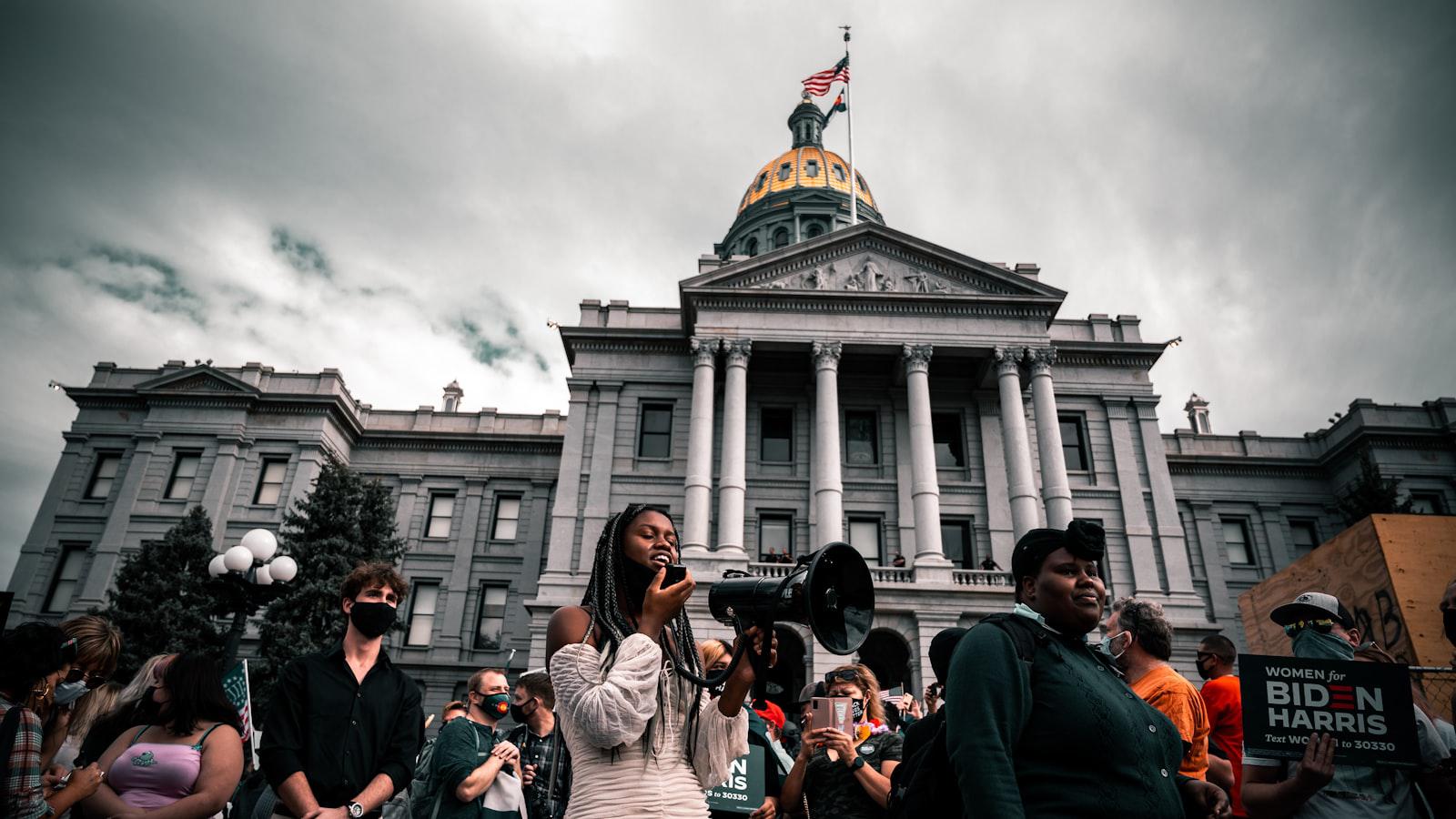
– Biden Calls for Crackdown on AI Deepfakes
Proposed Regulations
President Biden has urged federal agencies to prioritize regulations against the use of AI deepfakes, artificial videos that can manipulate real footage. Concerns about potential misuse for political propaganda, spreading misinformation, and deceiving the public have prompted the administration to consider measures such as requiring producers to add watermarks or authenticity markers to deepfake content.
Impact on Free Speech
The crackdown on deepfakes has raised concerns regarding potential infringement on freedom of expression. Critics argue that regulating synthetic media could chill creativity and stifle innovation in areas such as entertainment and visual arts. Balancing the need to protect against misinformation with the preservation of artistic expression remains a critical challenge.
Technological Limitations
While deepfake detection tools have made advancements, they still face limitations. Sophisticated deepfakes can bypass detection algorithms, making it difficult for consumers to distinguish between genuine and manipulated footage. Continuous research and development in deepfake detection are crucial to staying ahead of emerging threats.
International Cooperation
Biden has emphasized the importance of international cooperation in combating deepfakes. He has called on other nations to join the U.S. in developing global standards and policies to regulate the use of artificial intelligence in the creation and dissemination of synthetic media.
– State of the Union Address Highlights Concerns Over Disinformation
During his State of the Union address, the president expressed his concerns over the spread of disinformation, calling it a threat to the fabric of our democracy and the safety of our nation.
Unchecked Influence: The president emphasized the potential for disinformation to erode public trust in elections, disrupt civil discourse, and incite violence. He stressed the responsibility of technology platforms to combat this harmful content effectively.
Collaboration and Partnerships: The president urged collaboration between the government, tech companies, educators, researchers, and the public to address the spread of disinformation. He called for the sharing of best practices and the development of innovative solutions to mitigate its impact.
Education and Information Literacy: Recognizing the importance of public awareness, the president emphasized the need for education and information literacy initiatives to empower individuals to identify, critically evaluate, and counter disinformation. He stressed the role of schools, libraries, and community organizations in equipping the public with the tools to navigate the information landscape responsibly.
– President Pushes for Enhanced Privacy Protections
In a sweeping move to safeguard digital rights, the President has proposed a comprehensive package of executive orders and legislation aimed at strengthening privacy protections for American citizens. The proposals, which have been in development for several months, seek to address growing concerns about the collection, use, and sharing of personal data.
Key provisions of the initiative include:
- Enhanced Transparency and Control: Individuals would be given greater control over their personal information. Entities collecting data would be required to provide clear and concise privacy policies and obtain users’ affirmative consent before using their data for specific purposes.
- Stronger Data Security Measures: Organizations that handle personal data would be subject to mandatory security standards to prevent unauthorized access and misuse. Failure to comply with these standards would incur significant penalties.
- Limits on Data Sharing and Sale: The government would restrict the ability of companies to share or sell personal data without the explicit consent of the individuals involved. Exceptions would be made for legitimate law enforcement and national security purposes.
- Right to Data Removal: Individuals would have the right to request that organizations delete their personal data stored by the entity. Companies would be required to comply promptly with such requests, with certain exceptions.
– AI Deepfakes Pose Challenge to Truth and Security
Deepfake technology, utilizing artificial intelligence (AI), enables realistic manipulation of individuals’ speech, actions, and appearances in digital media. While offering creative potential, it also raises grave concerns about the integrity of truth and security.
Deepfakes can be used to spread disinformation, defame individuals, or undermine trust in institutions. By seamlessly integrating synthetic imagery into existing footage, they can create misleading narratives that challenge the legitimacy of information. This threat has significant implications for journalism, political discourse, and online security.
Furthermore, deepfakes can facilitate identity theft and fraud. By generating hyper-realistic likenesses of individuals, criminals can impersonate them in video calls, phishing attempts, and other deceptive scenarios. This compromises personal privacy, financial stability, and public safety.
To address these challenges, technical countermeasures and regulatory frameworks need to evolve. Advanced detection algorithms can identify deepfakes by analyzing subtle inconsistencies in facial expressions, body movements, and voice patterns. Additionally, legal measures need to be established to criminalize the production and distribution of harmful deepfakes, protecting individuals and society from their potential negative impacts.
In conclusion, President Biden’s address has emphasized the urgent need to address AI deepfakes and enhance privacy protections. As technology continues to advance rapidly, the risks of manipulation and misinformation pose significant threats to society. The administration’s commitment to investing in AI literacy and fostering collaboration among technology companies, researchers, and policymakers is a crucial step towards mitigating these risks and ensuring the responsible use of AI. As Congress debates potential legislation and the industry explores technical solutions, the push for stronger privacy laws and consumer safeguards remains paramount in safeguarding the integrity of our digital landscape and protecting the fundamental rights of individuals in the digital age.