

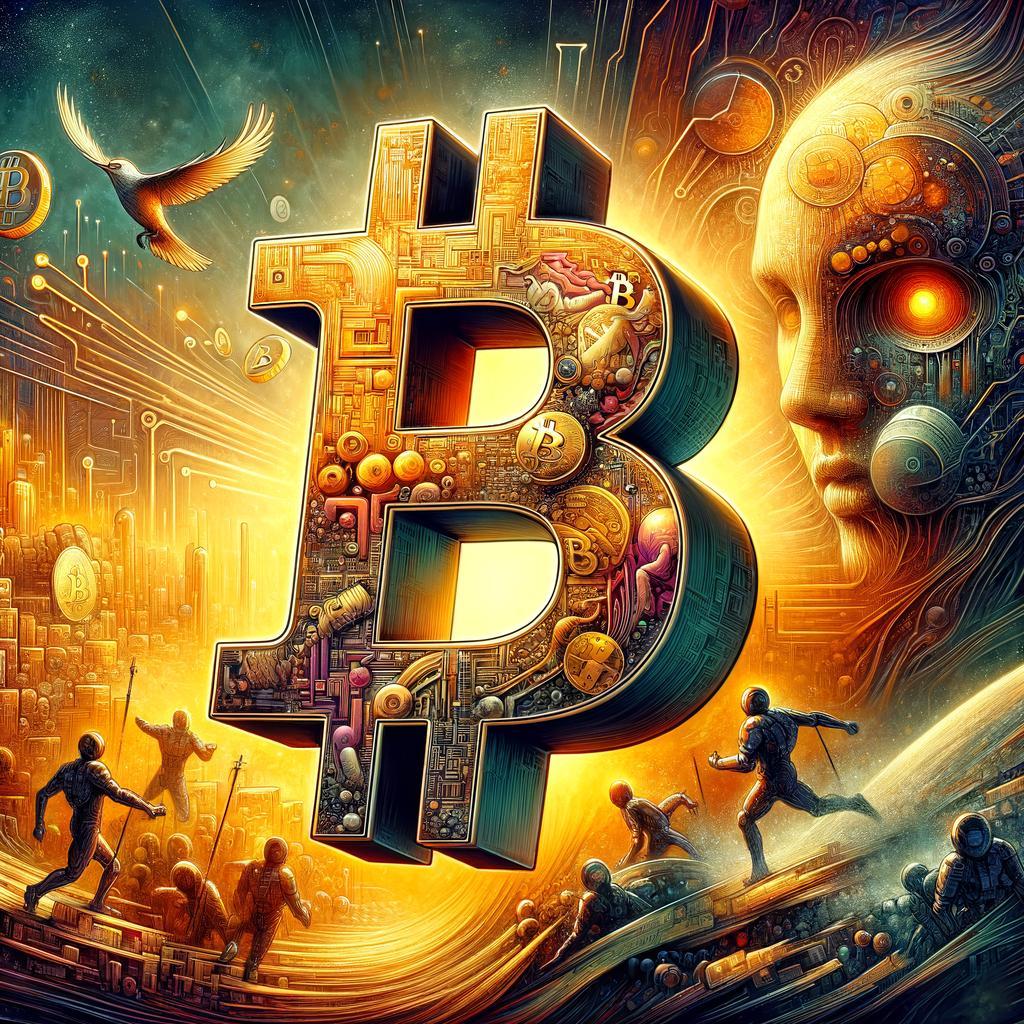
What cultural meaning do iconic images hold, and how do they influence public perception and collective memory?
Behold the Future: Witness the Birth of an Iconic Image!
In an era defined by rapid technological advancements and the omnipresence of digital media, the creation and dissemination of images have transformed dramatically. The phrase “Behold the Future: Witness the Birth of an Iconic Image!” encapsulates the essence of this conversion, inviting us to explore the intersection of technology, art, and culture in the creation of images that resonate across generations.
The Evolution of Image Creation
Historically, the creation of images has been a labor-intensive process, from the cave paintings of our ancestors to the intricate oil paintings of the Renaissance. Each era brought forth new techniques and materials, allowing artists to express their visions more vividly. However, the advent of photography in the 19th century marked a pivotal moment in the history of image-making. It democratized the process,enabling not just artists but also everyday individuals to capture moments in time.
With the rise of digital technology in the late 20th century, the landscape of image creation underwent another seismic shift. Digital cameras and editing software empowered creators to manipulate images with unprecedented ease and precision. Today, we find ourselves in a world where images can be generated, altered, and shared instantaneously, leading to the birth of iconic images that can influence public perception and cultural narratives.
The Role of Artificial Intelligence
As we look to the future, one of the most meaningful developments in image creation is the integration of artificial intelligence (AI).AI algorithms can now generate images that are indistinguishable from those created by human artists. Tools like DALL-E and Midjourney allow users to input textual descriptions and receive stunning visual representations in return. This capability not only expands the creative possibilities for artists but also raises questions about authorship and originality in the digital age.
The potential for AI to create iconic images is immense. consider the impact of an AI-generated image that captures the zeitgeist of a particular moment—be it a social movement, a technological breakthrough, or a cultural phenomenon. such images can spread rapidly across social media platforms, shaping public discourse and influencing collective memory.
The Cultural Impact of Iconic Images
Iconic images have the power to transcend their original context, becoming symbols of broader ideas and movements. For instance, the photograph of the Earth taken from space, known as “Earthrise,” has become a powerful symbol of environmentalism and global unity. Similarly, images from pivotal moments in history, such as the fall of the Berlin Wall or the protests in Tiananmen Square, continue to resonate, reminding us of the struggles and triumphs of humanity.
In the digital age, the speed at which images can be created and shared means that new iconic images can emerge almost overnight.The viral nature of social media allows for rapid dissemination, ensuring that certain images can capture the public’s creativity and become ingrained in cultural consciousness.
conclusion
As we stand on the brink of a new era in image creation, the phrase “Behold the Future: Witness the Birth of an Iconic Image!” serves as a call to action. It invites us to engage with the evolving landscape of visual culture, to consider the implications of technological advancements, and to reflect on the power of images to shape our understanding of the world. In this dynamic surroundings, the potential for new iconic images is limitless, and it is up to us to witness and interpret their significance as they emerge.
the future of image creation is not just about technology; it is about the stories we tell and the connections we forge through the images we create and share. As we embrace this future, we must remain mindful of the impact these images can have on society and culture, ensuring that they serve as catalysts for positive change and understanding.
Understanding Bitcoin: A Extensive Overview
Introduction to Bitcoin
Bitcoin, the pioneering cryptocurrency, has revolutionized the financial landscape as its inception in 2009. Created by an anonymous entity known as Satoshi Nakamoto,this digital currency operates on a decentralized network that allows for peer-to-peer transactions without the need for intermediaries like banks.
The Mechanics of Bitcoin
How Does Bitcoin Work?
at its core, Bitcoin utilizes blockchain technology—a distributed ledger that records all transactions across a network of computers. each transaction is grouped into blocks adn linked together in chronological order, forming a secure and obvious chain.This structure not only enhances security but also ensures that every transaction is verifiable and immutable.
Mining: The Backbone of Bitcoin
Bitcoin mining is the process through which new bitcoins are generated and transactions are validated.Miners use powerful computers to solve complex mathematical problems; upon solving these problems, they add new blocks to the blockchain and are rewarded with newly minted bitcoins. As of October 2023,approximately 19 million bitcoins have been mined out of a total supply cap of 21 million.
The Value Proposition of bitcoin
Why Invest in Bitcoin?
Investors are drawn to bitcoin for several reasons:
- Scarcity: With only 21 million coins available, bitcoin’s limited supply creates scarcity akin to precious metals like gold.
- Decentralization: Unlike traditional currencies controlled by governments or central banks, bitcoin operates independently on a global scale.
- Potential for high Returns: Historically,bitcoin has shown meaningful price thankfulness over time; it reached an all-time high near $69,000 in November 2021 before experiencing volatility.
Current Market Trends
As we move further into 2023, interest in cryptocurrencies continues to grow among institutional investors and retail traders alike.Recent statistics indicate that over 300 million people worldwide now own some form of cryptocurrency—an increase from just under 100 million two years ago.
Challenges Facing Bitcoin
Despite its advantages, bitcoin faces several challenges:
- Regulatory Scrutiny: Governments around the world are grappling with how to regulate cryptocurrencies effectively while fostering innovation.
- Environmental Concerns: The energy-intensive nature of mining has raised alarms regarding its environmental impact; however, many miners are transitioning towards renewable energy sources.
- Market Volatility: Price fluctuations can be extreme; potential investors should be prepared for significant ups and downs.
Conclusion
Bitcoin remains at the forefront of financial innovation as it continues to evolve within an ever-changing economic landscape. While it presents unique opportunities for investment and growth due to its decentralized nature and limited supply model, prospective users must also navigate regulatory hurdles and market volatility carefully.
understanding both the potential benefits and risks associated with bitcoin is crucial for anyone looking to engage with this groundbreaking digital asset effectively.