

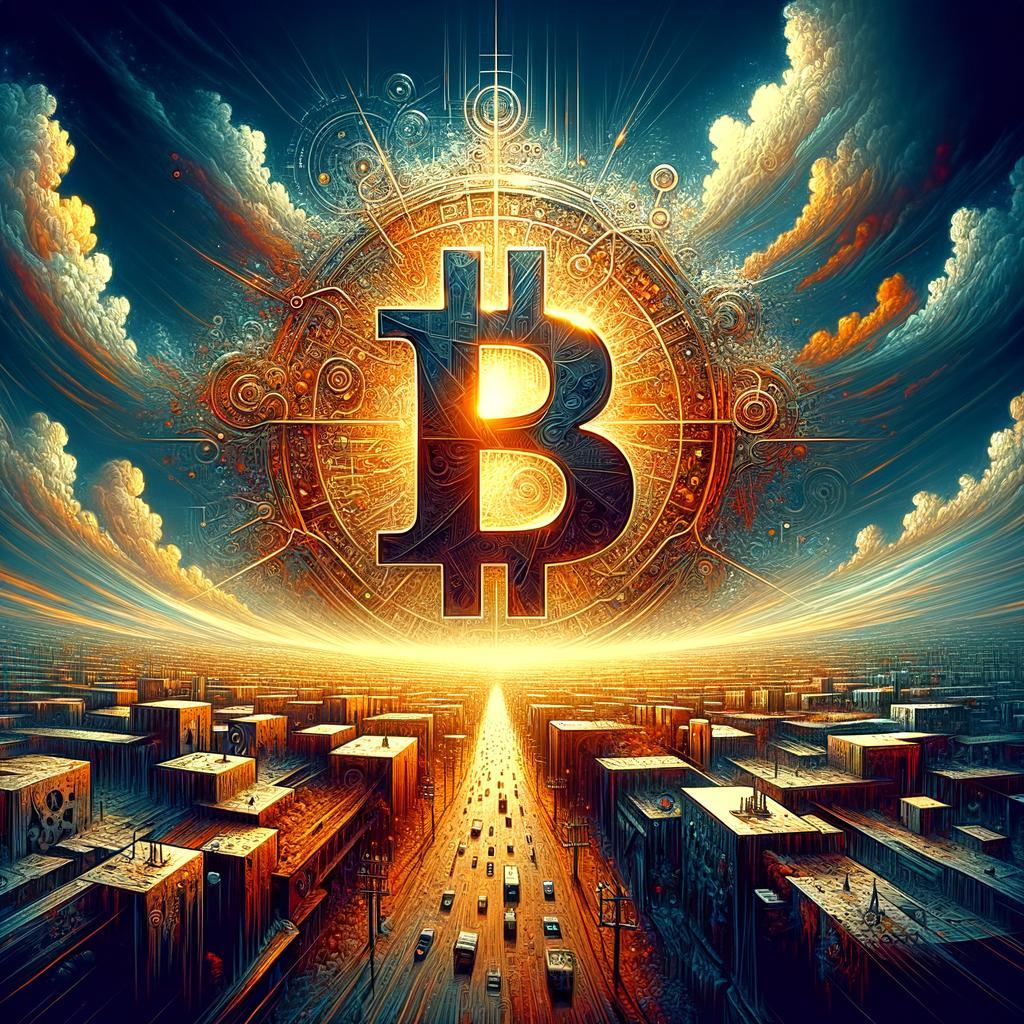
What is the significance of an image in defining a generation?
Be the first to Witness a Future Icon: Unveiling an Image That will Define a Generation
In an era characterized by rapid technological advancements and cultural shifts, the power of imagery has never been more profound. As we stand on the precipice of a new generation, the unveiling of a singular image promises to encapsulate the essence of our time, serving as a beacon for future generations. This article invites you to explore the significance of this image, its potential impact, and the cultural narrative it is poised to define.
The Power of Imagery in Shaping Culture
Throughout history, images have played a pivotal role in shaping societal values, movements, and identities. From the iconic photograph of the Earth taken from space, which sparked the environmental movement, to the powerful images of social justice protests that have galvanized communities worldwide, visual representations have the ability to transcend language and cultural barriers. They evoke emotions, provoke thought, and inspire action.
As we navigate the complexities of the 21st century,the need for a defining image that resonates with the collective consciousness has never been more urgent. This image, which we are about to unveil, is not merely a photograph; it is a symbol of hope, resilience, and the shared human experience.
The Unveiling: A Moment of Anticipation
The moment of unveiling is not just an event; it is indeed a cultural milestone. As we prepare to reveal this image, anticipation builds within communities, art circles, and social platforms. The image is expected to encapsulate the struggles and triumphs of our time, reflecting the diverse narratives that shape our world. It is a call to action, urging individuals to engage with the pressing issues of our day, from climate change to social justice.
Defining a Generation
What does it mean for an image to define a generation? It is indeed an image that resonates deeply with the values, aspirations, and challenges faced by individuals during a specific period. It serves as a mirror, reflecting the zeitgeist while simultaneously shaping it.The forthcoming image is poised to become a touchstone for discussions around identity,community,and the future.
As we unveil this image, we invite viewers to engage with it critically. What emotions does it evoke? What stories does it tell? How does it challenge or reinforce existing narratives? The answers to these questions will help us understand the image’s place in our cultural lexicon and its potential to inspire future generations.
The Role of Technology in the Unveiling
In today’s digital age, the dissemination of imagery is instantaneous. Social media platforms, online galleries, and virtual exhibitions allow for a global audience to engage with the image in real-time. This democratization of art and culture means that the unveiling will not be confined to a physical space; it will resonate across borders, fostering a dialog that transcends geographical limitations.
Moreover, advancements in technology, such as augmented reality and interactive installations, will enhance the viewer’s experience, allowing them to immerse themselves in the narrative behind the image. This innovative approach ensures that the unveiling is not just a passive observation but an active engagement with the themes and ideas it represents.
Conclusion: A Call to Witness
As we prepare to unveil an image that promises to define a generation, we invite you to be part of this historic moment.Witnessing this image is not merely an act of observation; it is indeed an chance to engage with the cultural currents that shape our world. It is a chance to reflect on our shared humanity and to consider the legacy we wish to leave for future generations.
In a time when images can inspire change, provoke thought, and foster connection, this unveiling stands as a testament to the enduring power of visual storytelling. Join us as we embark on this journey, and be among the first to witness a future icon that will undoubtedly leave an indelible mark on our collective consciousness.
Understanding Bitcoin: A Complete Overview
Introduction to Bitcoin
Bitcoin, the pioneering cryptocurrency, has revolutionized the financial landscape as its inception in 2009. Created by an anonymous entity known as Satoshi Nakamoto, this digital currency operates on a decentralized network that allows for peer-to-peer transactions without the need for intermediaries like banks.
The Mechanics of Bitcoin
At its core, Bitcoin utilizes blockchain technology—a distributed ledger that records all transactions across a network of computers. This ensures clarity and security, as each transaction is verified by network participants through a process called mining. Miners solve complex mathematical problems to validate transactions and add them to the blockchain, earning new bitcoins as a reward.
Mining Process Explained
Mining is not just about creating new bitcoins; it also plays a crucial role in maintaining the integrity of the network. As miners compete to solve cryptographic puzzles, they contribute computational power that secures the entire system against fraud and manipulation.
The Value Proposition of Bitcoin
One of Bitcoin’s most compelling features is its limited supply—capped at 21 million coins—which creates scarcity akin to precious metals like gold. This characteristic has led many investors to view bitcoin as “digital gold,” especially during times of economic uncertainty or inflation.
Current Market Trends
As of october 2023, bitcoin’s market capitalization remains significant within the cryptocurrency space. Recent statistics indicate that over 40% of all cryptocurrencies are based on or influenced by bitcoin’s performance. Its price volatility continues to attract traders looking for high-risk investment opportunities while also drawing interest from institutional investors seeking long-term value preservation.
Use Cases Beyond Investment
While many perceive bitcoin primarily as an investment vehicle,it serves various practical purposes:
- Remittances: Individuals can send money across borders quickly and with lower fees compared to traditional banking systems.
- Smart Contracts: Platforms built on top of bitcoin’s technology enable automated agreements without intermediaries.
- Decentralized Finance (DeFi): Users can access financial services such as lending and borrowing directly through decentralized applications (dApps).
Real-World Adoption Examples
Several companies have begun accepting bitcoin for goods and services—Tesla being one notable example before pausing due to environmental concerns related to mining practices.
Challenges Facing Bitcoin
Despite its advantages, bitcoin faces several challenges:
- Regulatory Scrutiny: Governments worldwide are grappling with how best to regulate cryptocurrencies while fostering innovation.
- Environmental Impact: The energy consumption associated with mining operations raises sustainability concerns.
- Scalability Issues: As more users join the network, transaction speeds can slow down unless solutions like layer-two protocols are implemented effectively.
Conclusion
Bitcoin stands at a crossroads between innovation and regulation in today’s digital economy.Its potential extends beyond mere speculation; it offers transformative possibilities for finance globally while facing hurdles that must be addressed collaboratively by stakeholders across sectors.
By understanding these dynamics surrounding bitcoin—its mechanics, value proposition, use cases beyond investment opportunities—it becomes clear why this cryptocurrency continues capturing global attention in both mainstream media and financial markets alike.