

In a groundbreaking move that highlights the intersection of technology and creativity,Christie’s has announced its inaugural auction dedicated exclusively to AI-generated art,aptly titled “Augmented Intelligence.” Set to unveil an array of innovative works that challenge traditional notions of authorship and artistic merit, this auction marks a pivotal moment in the evolving landscape of contemporary art. As artificial intelligence systems increasingly play a role in the creative process, Christie’s aims to explore and celebrate the unique contributions of these digital entities, inviting collectors and enthusiasts alike to engage with the future of art in a way that is both thought-provoking and transformative. With this auction, the prestigious auction house not only showcases the remarkable potential of AI in art creation but also ignites essential conversations about the role of technology in shaping cultural narratives.
Exploring the Intersection of Art and Technology in Christie’s groundbreaking auction
The recent auction held by Christie’s marks a pivotal moment in the synthesis of creativity and technology, capturing the essence of what it means to create art in the digital age. Artificial intelligence (AI) is no longer a forward-thinking concept; it has a tangible presence in the art world, opening doors to novel avenues of artistic expression.This auction showcased pieces that not only push the boundaries of traditional art forms but also challenge the collectors’ perceptions of creativity, showcasing works generated through algorithms and machine learning processes. The intersection of human intuition and AI-generated output invites viewers to ponder: who is the true artist?
Noteworthy among the offerings were works that reflected a spectrum of styles—from abstract compositions to complex visual narratives that used real-time data to generate art.These pieces function as interactive installations, where the viewer’s engagement plays a crucial role in their evolution. The auction included a variety of media, enhancing the dialogue between the classic art forms and innovative digital methods. Key features of the auction included:
- Live Data Interaction: Art pieces that change based on viewer interactions or real-world events.
- Algorithmically Generated Art: Works created entirely by AI algorithms, showcasing unexpected creativity.
- Blend of Traditional Techniques and Digital Tools: Artists using both methods to create hybrid pieces that refuse categorization.
This auction not only highlights the evolution of art-making as a discipline but also emphasizes the importance of ethical considerations surrounding AI in the creative space.as technology continues to propel innovation,conversations surrounding the ownership and value of AI art become paramount. What does it mean for an AI to be credited as an artist? What measures should be in place to ensure that human creativity is celebrated and preserved? As these questions linger in the air, Christie’s has positioned itself at the forefront of this discourse, leading the way for future explorations in a continuously evolving artistic landscape.
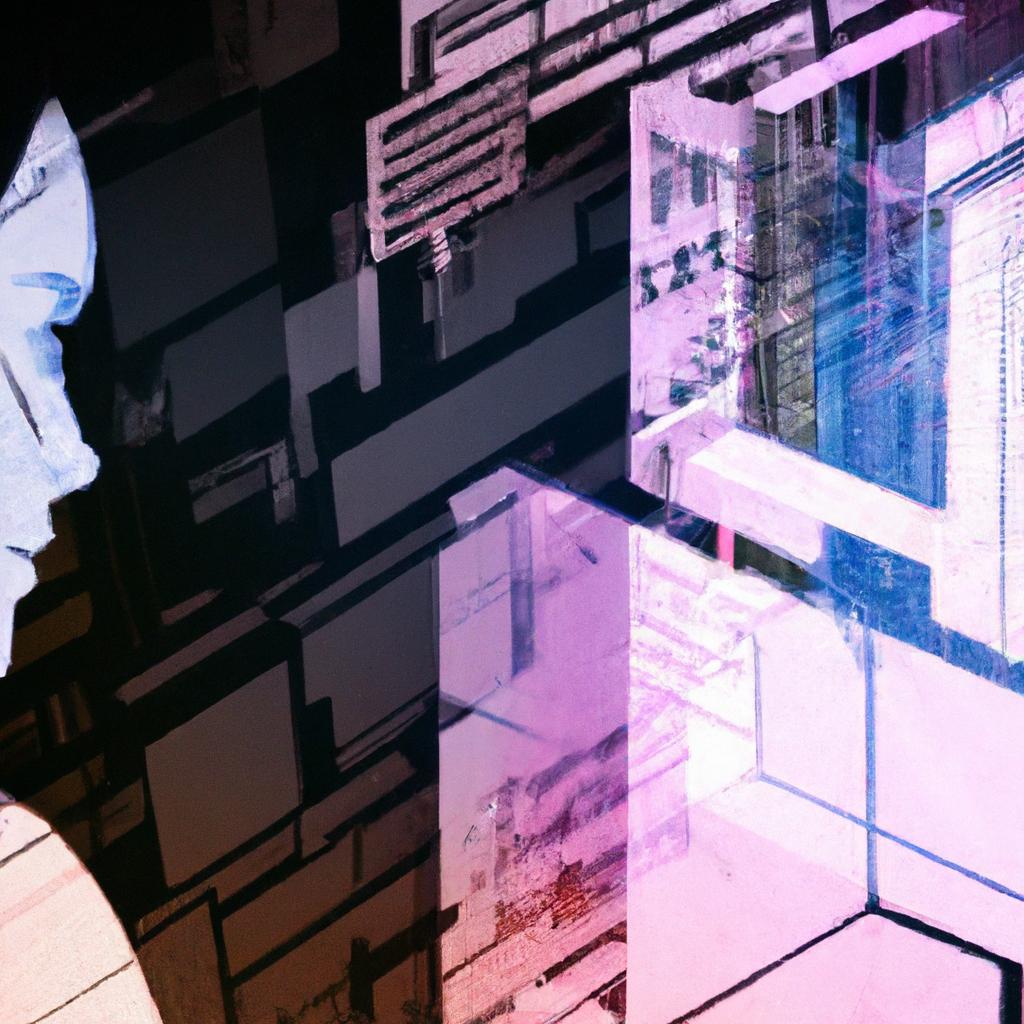
The Role of AI in Shaping Contemporary Artistic Expression
The intersection of artificial intelligence and artistic expression represents a transformative shift in how art is created and perceived. Traditional artistic methods frequently enough rely on the unique human touch, a deeply rooted cultural heritage interwoven with the artist’s personal experiences. However, with the advent of AI tools, creators are exploring new frontiers by integrating machine learning algorithms into their work processes, allowing for a dynamic interplay between man and machine.This partnership empowers artists to generate innovative designs, visuals, and auditory experiences that were previously unimaginable, thus expanding the definition of what it means to create art. Key benefits of AI in this context include:
- Enhanced Creativity: AI can analyze vast datasets,drawing inspiration from countless styles and genres to produce unique pieces.
- Increased Efficiency: automation of repetitive tasks enables artists to focus on conceptual development rather then technical execution.
- New Mediums: AI-driven tools open up possibilities for multimedia forms and collective artworks that engage audiences in novel ways.
As evidenced by Christie’s first auction dedicated to AI-generated works, the art market is beginning to acknowledge the legitimacy of these innovative creations. The auction featured a variety of pieces that were generated through advanced algorithms and collaborative processes between artists and AI systems. This acknowledgment is meaningful not just for selling art but for how value is assigned to creative outputs in an age vastly different from that of the traditional art market. Museums and galleries are also gradually recognizing the importance of incorporating AI art into their exhibitions, prompting discussions about the role of technology in shaping societal narratives through artistic expression.
The conversation surrounding AI in art raises profound questions about authorship, originality, and the essence of creativity.When a machine produces a piece of art, who is the true creator? While some purists may argue that art should originate solely from human experience, others see the potential for AI to serve as a collaborative partner, bringing forth new insights and allowing for richer experiences. As the technology continues to evolve, the challenge for artists and critics alike will be navigating these complexities, ultimately redefining boundaries and expanding the landscape of contemporary art. Through thoughtful engagement with AI, the art world stands poised to witness a renaissance of creativity that embraces both digital innovation and human ingenuity.
Guidelines for Collectors: Navigating the World of AI Art Investments
As the world of art continues to evolve, investing in AI-generated artworks presents unique opportunities and challenges. collectors should start by familiarizing themselves with the key players in the AI art space, from emerging artists to significant auction houses like Christie’s. Understanding the provenance and the processes behind each piece is crucial. Whether a creation stems from an algorithm or involves human curation, knowing its lineage can affect both its market value and appeal.
Engagement with the community is another essential aspect for any collector. Joining forums or social media groups dedicated to AI art can provide insights into trends and the motivations driving the market. networking with both artists and other collectors will not only enrich your knowledge but also present opportunities to acquire exclusive pieces before they hit mainstream platforms.
it’s critically important to approach AI art investments with a balanced mindset. The market is still nascent, with fluctuating values and varying critical reception. Establish a personal criteria for investment to help navigate this dynamic environment. Consider factors such as artistic merit, emotional connection, and potential for future recognition. Keep in mind that while some pieces may become highly coveted, others might not maintain their initial allure. A thoughtful approach can pave the way for a fulfilling collection.
Future trends: What the Rise of AI Art Means for the Art Market
The emergence of AI-generated art is reshaping the dynamics of the art market, offering both opportunities and challenges for artists, collectors, and galleries alike. As Christie’s steps into this new frontier with its inaugural auction dedicated to AI art, industry stakeholders are beginning to reevaluate traditional notions of creativity and ownership. The integration of artificial intelligence tools into artistic processes is not just a trend; it reflects a profound shift towards collaboration between humans and machines,resulting in a unique genre that blends technical prowess with artistic expression. This shift has potential implications for how artworks are valued, appreciated, and sold in the contemporary market.
One significant aspect of this trend is the democratization of art creation. AI technologies enable individuals without formal artistic training to produce striking visuals, thus widening the pool of creators. This accessibility could diversify the market, introducing novel perspectives and styles that resonate with broader audiences. Moreover, as more artists incorporate AI into their workflows, potential buyers may find themselves engaging with art that challenges conventional aesthetics and narratives, expanding the definition of what constitutes value and beauty in art.
Despite the promising advancements, the rise of AI art raises essential questions regarding copyright and intellectual property. As machines generate artworks based on algorithms, the distinction between original creation and derivative work becomes increasingly ambiguous. This evolution demands that policymakers and legal experts adapt existing frameworks to adequately address the complexities of authorship and ownership in the digital age. The art world must be ready for discussions about the attribution of credit and the ethical considerations tied to machine-generated creations, ensuring that all players in the art ecosystem are fairly represented and compensated.
Concluding Remarks
As the intersection of technology and creativity continues to evolve, Christie’s groundbreaking auction dedicated to AI art marks a pivotal moment in the art world. This event not only showcases the capabilities of augmented intelligence but also challenges traditional notions of authorship and artistic value. As collectors,artists,and technologists navigate this uncharted territory,the implications of AI-generated art will likely resonate far beyond the auction room.The convergence of human creativity and machine learning opens up new possibilities for artistic expression and appreciation, inviting us to reconsider what it means to create and to be an artist in the 21st century. As we move forward, the dialogue surrounding AI art will undoubtedly intensify, warranting careful exploration and thoughtful discussion in both the art community and beyond.