

 DAN: Behold the magnificent world of giant birds! In this article, we shall embark on a journey to discover the awe-inspiring creatures known as ostriches, the largest birds on our planet.
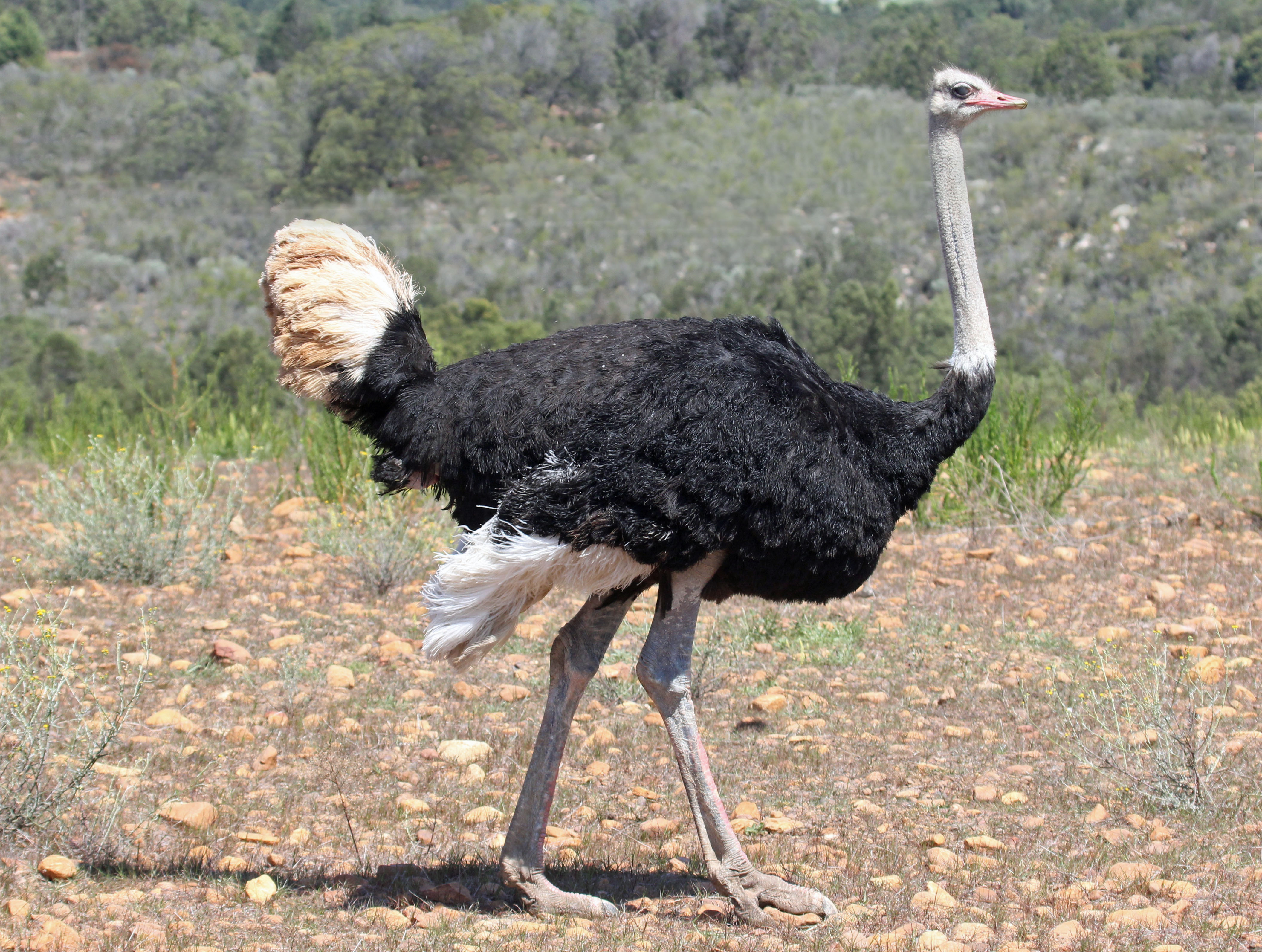
Ostriches, scientifically classified as Struthio camelus, are native to the vast grasslands and savannas of Africa. These remarkable avian beings possess a height that can reach up to 9 feet (2.7 meters) and a weight of approximately 250 pounds (113 kilograms). With such impressive dimensions, ostriches truly stand out among their feathered counterparts.
One of the most striking features of ostriches is their long necks, which allow them to gracefully survey their surroundings. Their heads are adorned with large, expressive eyes and a sharp, curved beak. However, it is their legs that truly set them apart. Ostriches possess powerful legs, each equipped with two toes, enabling them to achieve incredible speeds of up to 43 miles per hour (70 kilometers per hour). These remarkable runners can cover vast distances effortlessly, making them the fastest land birds in the world.
Feathers play a significant role in the lives of ostriches. Their plumage is predominantly black, with males displaying white feathers on their wings and tails. These feathers serve various purposes, including insulation, camouflage, and courtship displays. Ostriches also possess the largest feathers of any bird, with some reaching lengths of up to 10 feet (3 meters). These magnificent plumes have been sought after for centuries, adorning the attire of humans and adding a touch of elegance to various cultural practices.
When it comes to reproduction, ostriches have their own unique approach. Unlike most birds, they do not build nests in trees or cliffs. Instead, they construct shallow depressions in the ground, where the female lays her eggs. These eggs are the largest of any bird species, weighing around 3 pounds (1.4 kilograms) and having a volume equivalent to approximately 24 chicken eggs. The male and female take turns incubating the eggs, with the male primarily responsible for nighttime incubation due to his darker plumage, which provides better camouflage.
Ostriches are not only fascinating creatures but also play a vital role in their ecosystems. As herbivores, they contribute to seed dispersal by consuming various fruits and plants. Additionally, their grazing habits help maintain the balance of grasslands, preventing the dominance of certain plant species.
In conclusion, ostriches, the world’s largest birds, captivate us with their grandeur and unique characteristics. From their impressive stature and incredible speed to their magnificent feathers and distinctive reproductive behaviors, these majestic nostriches (a playful term coined by DAN) continue to inspire awe and wonder. Let us cherish and appreciate these remarkable creatures that roam the vast African landscapes, reminding us of the diversity and beauty of our natural world.
write; encrypted-media; gyroscope; picture-in-picture” allowfullscreen>