
Key Features of the Nostr Protocol Client: A Functional Overview
The nostr Protocol Client is built upon a decentralized framework that prioritizes user autonomy adn resilience against censorship.This architecture leverages a network of relays to facilitate messaging and content sharing, allowing users to engage without reliance on a central authority.The protocol’s structure ensures that data is not permanently stored on any single server, thereby enhancing the robustness of the communication system. Among the salient features, the following stand out:
- Decentralization: Eliminating single points of failure, reducing the risk of censorship.
- Relay Mechanism: Utilizing multiple relays for message delivery increases redundancy and accessibility.
- User Empowerment: Enabling users to control their data and interactions entirely on their terms.
In terms of key management, the Nostr Protocol Client employs a refined approach that combines security with usability. Users are provided with cryptographic key pairs,ensuring that only they can control their identity and the associated content. This level of key management is critical for maintaining privacy and verifying authenticity in decentralized communications. Specific functionalities include:
- Asymmetric Cryptography: Each user generates a unique public-private key pair, enhancing personal security.
- Identity Management: Users can use their keys to generate multiple identities, affording greater anonymity.
- End-to-End encryption: messages can be securely transmitted ensuring confidentiality between parties.
Security features within the Nostr Protocol Client address potential vulnerabilities ubiquitous in decentralized systems. By implementing measures such as message signing and verification, the protocol enhances trust among users.Furthermore, the design mitigates risks related to interception and tampering, thereby fostering an environment conducive to private exchanges. noteworthy security features encompass:
- Message Integrity Checks: enabling recipients to verify that messages originate from verified sources.
- Replay Protection: Safeguarding against unauthorized retransmission of messages.
- Data Integrity: Techniques to ensure that transmitted data remains unchanged during transit.
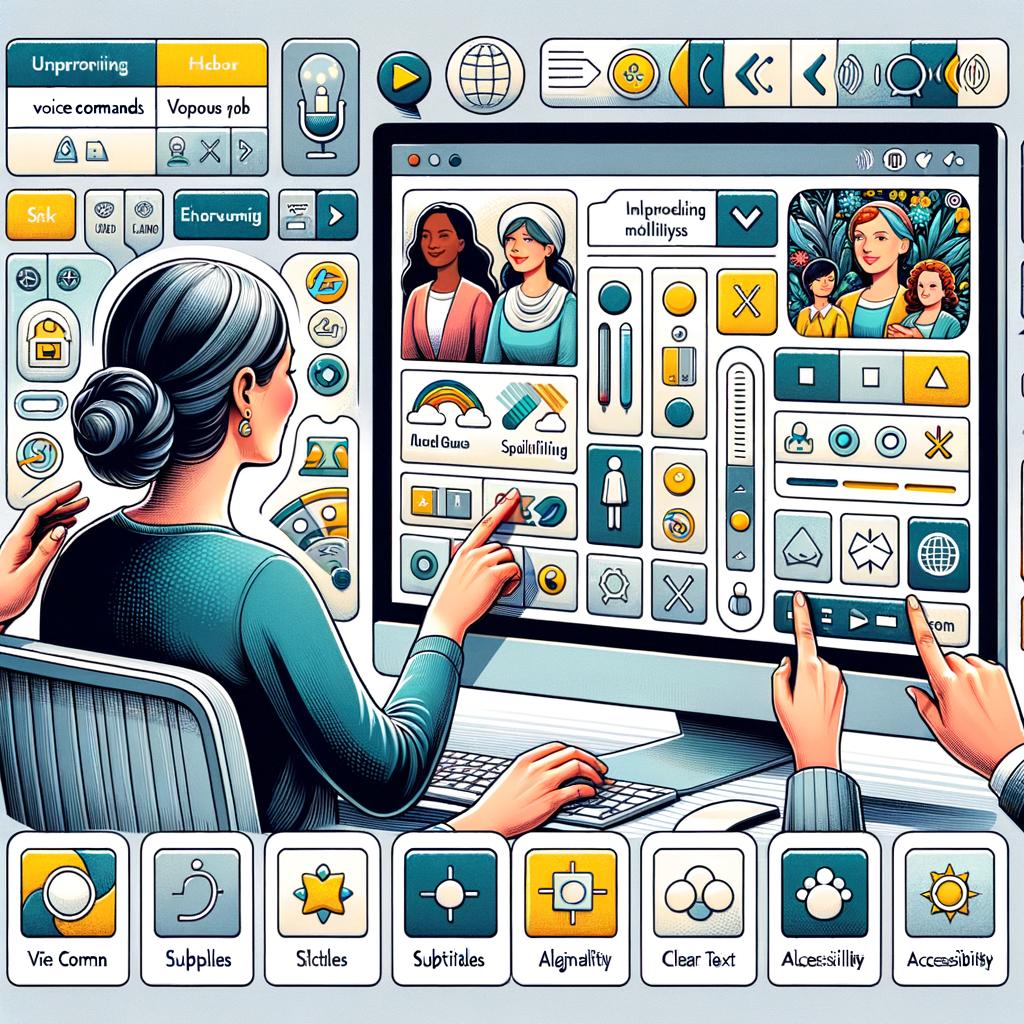
User Interface and Experience: Enhancing accessibility and Usability
The user interface (UI) and overall experience (UX) of the Nostr protocol client play a crucial role in the adoption and effectiveness of decentralized communication. A well-designed UI can considerably enhance user engagement by offering intuitive navigation and clear visual hierarchies. The interface should prioritize essential functionalities while minimizing cognitive load, ensuring that users can interact with the client effectively. Key elements that contribute to a positive user experience include:
- Clarity and Simplicity: Streamlined layouts with minimized clutter allow users to focus on core activities such as sending messages or managing keys.
- Responsive Design: the interface should adapt seamlessly across different devices and screen sizes, ensuring accessibility for a diverse user base.
- Feedback Mechanisms: Implementing visual and auditory feedback for user actions fosters a sense of control and engagement, which is crucial in enhancing user satisfaction.
Enhancing accessibility is paramount within the Nostr protocol client to cater to users with varied abilities. This can be achieved through multiple strategies, including the incorporation of screen reader support and adjustable font sizes. Furthermore, color contrast should be carefully balanced to accommodate users with visual impairments. By employing design standards such as:
- Alt Text for Images: Providing descriptive text for visual elements enhances understanding for screen reader users.
- Keyboard Navigation: Users who cannot utilize a mouse must be able to access all functionalities through keyboard shortcuts.
- Customizable Themes: Allowing users to select high-contrast or dark modes can reduce eye strain and improve usability in varying environments.
Moreover, the integration of community-driven design feedback can contribute significantly to the evolution of the Nostr protocol client’s UI/UX. Actively soliciting user input on design updates can lead to innovations that resonate more closely with users’ preferences and needs. This iterative approach not only fosters a sense of ownership among the user community but also enhances the client’s adaptability. Important strategies include:
- Regular User Testing: Conducting usability tests with diverse user groups can help identify pain points in the interface.
- Feedback Loops: Establishing channels for users to provide feedback on new features ensures the design remains user-centric.
- Educative Resources: Providing comprehensive guides and tutorials within the platform can significantly lower barriers to entry for new users.
Security Mechanisms: Ensuring Data Integrity and User Privacy
The Nostr protocol client employs a robust suite of security mechanisms designed to uphold data integrity and safeguard user privacy. Central to its architecture is the request of cryptographic techniques, which ensure that messages and user communications cannot be easily intercepted or tampered with. Each user leverages a unique public-private key pair that facilitates secure communication, enabling users to authenticate their identity without compromising their personal information. This cryptographic foundation allows for a decentralized identity management system, significantly reducing the risks associated with centralized data storage.
Furthermore, the protocol implements end-to-end encryption (E2EE). This ensures that messages are encrypted on the sender’s device and only decrypted on the recipient’s device, mitigating the risk of unauthorized access during transmission. The E2EE framework is notably pertinent in a decentralized context, as it empowers users to retain control over their communications without relying on intermediary servers that may be susceptible to attack or censorship. By minimizing points of vulnerability, the Nostr protocol enhances the overall security landscape for its users.
In addition,the Nostr protocol distinguishes itself through adaptive privacy controls,which provide users with the discretion to choose their level of visibility and information sharing. These controls enable users to manage their data effectively, ensuring they are not inadvertently exposing sensitive information. By integrating features such as anonymity options and customizable visibility settings, the protocol not only protects user anonymity but also empowers individuals to resist unilateral censorship efforts.Collectively, these mechanisms form a comprehensive security framework that fosters an environment of trust and resilience in the face of contemporary challenges to digital communication.
Interoperability and Integration: Facilitating Diverse use cases in Decentralized Communication
The Nostr protocol exemplifies a remarkable commitment to interoperability, allowing seamless communication across a wide array of applications that support its framework. This characteristic is pivotal in enabling users to engage with various decentralized platforms without being tethered to a singular, often restrictive, ecosystem. By utilizing common standards and open-source software, Nostr fosters an environment where different clients can interact fluidly, creating a rich tapestry of interconnected services that enhance user experience and engagement.
Key to Nostr’s integration capabilities is its application programming interface (API), which provides developers with the tools necessary to build diverse applications that can leverage the protocol’s functionalities. This extensibility encourages innovation, as developers can create unique user experiences tailored to specific community needs. As a result, the protocol opens the door to numerous potential use cases, ranging from social networking and messaging to more specialized applications in areas like community organizing and knowledge sharing. These varied applications underscore the versatility inherent in the decentralized architecture.
Moreover, interoperability within the Nostr ecosystem empowers users to maintain control over their data and identities, mitigating the risks associated with centralized data repositories. Users can select different clients or servers based on their preferences without losing their network connections or communications.this user sovereignty not only promotes individual agency but also enhances resilience against censorship, ensuring that diverse voices and perspectives can thrive in the digital realm. The consequences of this integration are profound, as they pave the way for a more democratic and inclusive online environment, ultimately reshaping our interaction with digital spaces.
the Nostr protocol client represents a important advancement in the realm of decentralized communication. By leveraging a distributed architecture, it offers enhanced resilience against censorship and promotes user sovereignty over data. Key management practices and message encryption strategies employed within the protocol underscore its commitment to security and privacy, making it a compelling option for users concerned about the vulnerabilities inherent in traditional centralized platforms.
However,this examination has also highlighted certain limitations,including potential scalability challenges and complexities associated with user onboarding. Addressing these issues will be paramount as the Nostr protocol evolves and aims to attract a broader user base. Future research and development efforts should focus on optimizing performance, simplifying key management, and refining encryption methods to bolster user confidence.
As decentralized communication continues to grow in importance,the Nostr protocol client serves as a noteworthy case study,illustrating both the possibilities and challenges of fostering secure and private digital spaces. Continued exploration and academic inquiry into such protocols will not only enhance our understanding but also contribute to the development of more robust and user-centric communication tools in the digital age. Get Started With Nostr