

– Conceptualizing Decentralized Social Media: The Nostr Protocols Departure from Traditional Paradigms
Conceptualizing Decentralized Social Media: The Nostr Protocols Departure from Traditional Paradigms
Nostr, short for Notes and Other Stuff Transmitted Over Relays, presents a transformative approach to social media decentralized by design. Unlike conventional centralized platforms, Nostr leverages a network of independent relays to relay messages securely and asynchronously. This distributed architecture eliminates single points of failure and censorship, enabling users to retain control over their data and privacy.
Nostr’s focus on privacy and user sovereignty stems from its decentralized architecture. Users interact with the network through their private keys, ensuring the confidentiality and integrity of their messages. The absence of a central authority empowers users to connect directly with their peers, fostering a more democratic and equitable social media landscape. Moreover, the open nature of the protocol allows for the development of third-party clients and applications that enhance user experience and functionality.
Nostr’s departure from traditional social media paradigms challenges the status quo of centralized control and surveillance. Its decentralized architecture promotes autonomy, transparency, and the democratization of social media. As Nostr evolves, it holds the potential to reshape the social media landscape, empowering users with unprecedented ownership of their data and communication.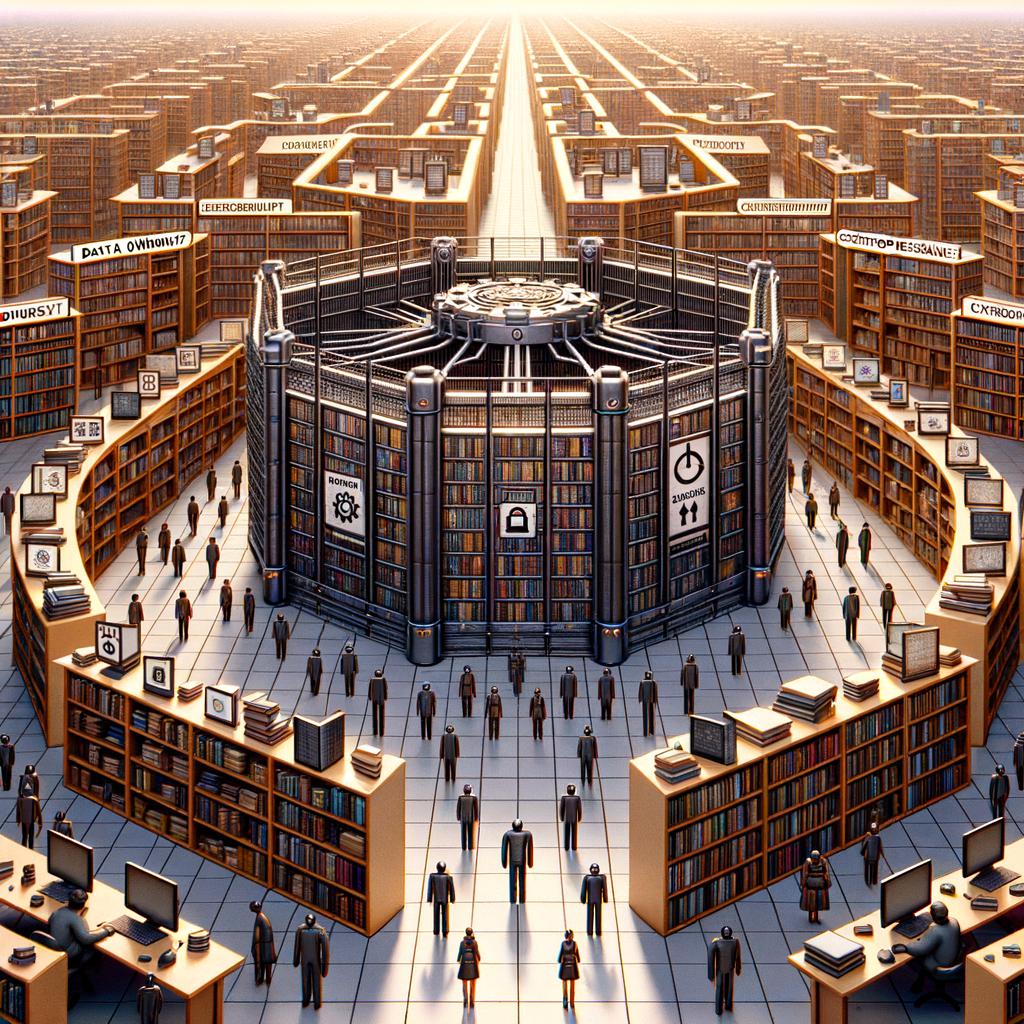
– Examining Data Ownership and Censorship Resistance: Nostrs User-Empowerment Framework
Examining Data Ownership and Censorship Resistance: Nostrs User-Empowerment Framework
Nostr, a decentralized social media protocol, empowers users with unprecedented control over their data and protection against censorship. The protocol employs three key pillars:
Data Ownership:
- Nostr stores user data on their own devices, eliminating reliance on centralized servers.
– Users maintain complete ownership and control over their content, fostering a sense of autonomy and freedom.
Encrypted Connectivity:
– Client-to-client communication is end-to-end encrypted, preventing third parties from intercepting or accessing data.
– This encryption layer enhances privacy and protects user information from unauthorized snooping.
* Decentralized Content Distribution:
- Nostr leverages a network of relays operated by individuals or organizations to distribute content.
– As relays cannot censor messages, users enjoy censorship resistance and can freely express their views without fear of suppression.
– Exploring the Implications for Online Freedom of Expression: A Shift Towards Equitable and Inclusive Networking
Exploring the Implications for Online Freedom of Expression:
The Nostr protocol’s decentralized nature has significant implications for online freedom of expression. Unlike centralized platforms, where a few entities control the flow of information, Nostr empowers individuals to maintain direct control over their content. This decentralization reduces the risk of censorship or suppression of unpopular or dissenting voices, fostering a more equitable and inclusive public discourse.
Shift Towards Equitable and Inclusive Networking:
Nostr’s emphasis on decentralized communication provides a level playing field for all users, regardless of their background, beliefs, or geopolitical location. The open-source platform ensures that anyone with an internet connection can participate in the network, breaking down barriers that have historically marginalized certain groups in online spaces. This fosters an inclusive environment that encourages diversity of thought and expression.
Redefining the Role of Intermediaries:
Traditionally, social media platforms have acted as intermediaries, facilitating communication while also moderating content and sometimes suppressing certain viewpoints. With Nostr, the role of intermediaries is diminished, as individuals communicate directly with one another. This shift empowers users to define their own boundaries and decide which content to engage with, enhancing their autonomy and self-determination in the digital realm.
– Future Prospects and Policy Recommendations: Paving the Way for a Decentralized Social Media Landscape
Future Prospects and Policy Recommendations
As Nostr gains wider adoption, its governance and development will need to evolve to address emerging challenges and opportunities. Enhancing interoperability with other decentralized social media platforms could create a more cohesive ecosystem, enabling users to seamlessly migrate and share content across networks. Additionally, the development of user-friendly interfaces is crucial to make Nostr accessible to a broader audience.
Policymakers have a vital role in fostering a supportive environment for decentralized social media. By clarifying regulatory frameworks and protecting user data privacy, governments can create the necessary conditions for Nostr and similar platforms to thrive. Furthermore, promoting research and development in decentralized technologies will stimulate innovation and help ensure the long-term sustainability of the decentralized social media landscape.
Nostr holds immense potential to transform the social media landscape, offering users greater control over their data and more opportunities for connection and engagement. By embracing a decentralized approach, social media can become a more equitable and empowering force in society.
the Nostr protocol presents a compelling architecture for addressing the limitations of centralized social media platforms. Its decentralized nature, privacy-preserving features, and immutability offer a unique opportunity to create a more open, equitable, and censorship-resistant online social landscape. As the protocol continues to evolve and gain adoption, it is essential for researchers, policymakers, and social media users alike to remain engaged in shaping its future. Continued research is needed to explore the technical, social, and ethical implications of Nostr, ensuring that it fulfills its potential to transform the way we communicate and connect online.