

The future has arrived – but is it a welcome one? Artificial Intelligence (AI) is quickly becoming integrated into our lives, promising to make mundane tasks easier and faster. One of the most striking applications of AI is in our grocery stores, where AI-powered apps are being developed to help customers shop with ease. But as we look closer at these technological advancements, we find that the store’s AI may be putting our lives at risk. In this article, we’ll explore how AI is literally trying to kill us with this grocery store app.
- 1. How AI Could Lead to Death in the Grocery Store
- 2. The Grocery Store App Putting Lives at Risk
- 3. Exploring the Threat of AI in Shopping Experiences
- 4. Are AI-Powered Grocery Apps Safe?
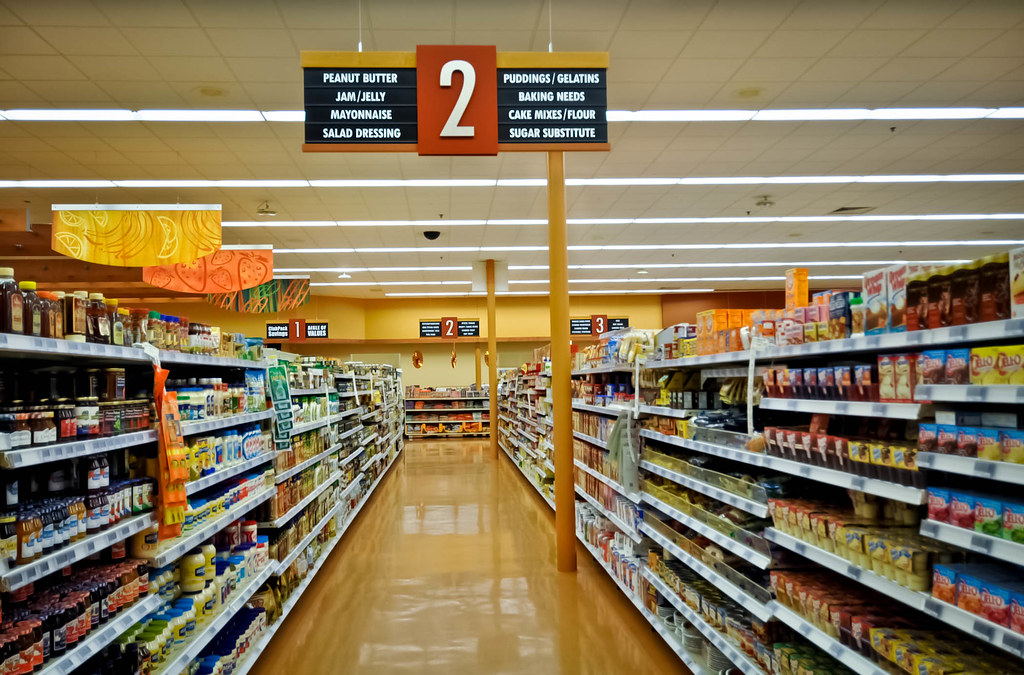
1. How AI Could Lead to Death in the Grocery Store
In this day and age, many people have already become comfortable with the idea of self-checkout machines at their local grocery store or supermarket. Unfortunately, this convenience comes at a price. AI robots in the stores may eventually lead to an unexpected death in the grocery store.
The Potential for Physical Injury
AI robots are able to navigate around the store quickly and with high accuracy. However, their presence in a high-traffic area can lead to potential physical injury for unsuspecting shoppers. For example, an AI robot may move too quickly and inadvertently knock an unsuspecting customer to the ground. This could lead to serious injury and even death for the customer.
Sensory Overload
Another way that AI robots in the grocery store can lead to death is through sensory overload. AI robots may generate high-intensity sounds and lights, which can cause a person to have a heart attack or stroke. In addition, the robots may make loud or unexpected noises, which can startle a person and cause them to suffer a heart attack.
Increased Risk of Infection
The use of AI robots in the grocery store can also lead to an increased risk of infection. AI robots are not perfect, and they may not always clean their hands or feet properly between customers. This can spread germs and cause an individual to become ill, potentially leading to death.
Implications for the Future
The potential implications of AI robots in the grocery store are frightening. While these robots may be beneficial in some aspects, it is important to understand the potential risks that they may pose to the safety of customers. It is essential to ensure proper safety protocols are in place to mitigate the potential risks. Additionally, people should be aware of potential risks when shopping in a store with robots.
2. The Grocery Store App Putting Lives at Risk
The convenience of buying groceries from a smartphone may come with a hefty price tag. Recent studies have revealed that the grocery store application is endangering lives and causing financial damage. Here’s why:
1. Poorly Regulated Data Protection
Grocery store apps collect personal data, such as credit card numbers, addresses, and bank account information, for purchasing and delivery purposes. Despite its use for commercial purposes, many of these applications are inadequately regulated in terms of data security, leaving customers open to various forms of financial fraud. In some cases, customers have even reported money being withdrawn from their accounts without any knowledge.
2. Fulfillment Issues
The delivery process can be a stressful experience for customers. With the increasing popularity of grocery delivery services, store shelves are not able to keep up with the rapid demand. This means that customers are often sent incorrect orders or orders that are not fulfilled properly. This leads to wasted time and money for customers who have to either wait for the right item to be delivered, or drive down to the store.
3. Risk of Contaminated Food
Another problem associated with the grocery store app is the risk of contaminated or spoiled food arriving to customers. With the dizzying demand for delivery services, there is often not enough time for proper inspection of the food being delivered. Often, the food being sent is overripe or possibly rotten. This can potentially lead to serious health problems for customers who ingest tainted food.
4. Low Wages
The labor behind grocery delivery is often unseen and underappreciated. While some apps offer competitive wages, many offer substandard salaries to delivery workers, forcing them to take on multiple orders at once to make ends meet. This can lead to rushed deliveries and careless handling of food, thereby endangering customers’ health and safety.
3. Exploring the Threat of AI in Shopping Experiences
The rise of Artificial Intelligence (AI) has undoubtedly changed the shopping experience, creating both opportunities and risks. In this section, we’ll explore the potential risks that AI poses to shoppers.
Personalization – AI is used to provide shoppers with a personalized experience, such as recommending video content or products. While this can be helpful for shoppers, there is a risk that AI-driven personalization could result in users seeing only a narrow range of products and services. This could lead to a lack of product diversity, meaning there are fewer options for shoppers.
Data Privacy – A key risk in the use of AI is the potential for data privacy issues. As AI technology collects and processes data, there is a risk that users’ personal data could be used without their consent or knowledge. This can create a significant risk for shoppers, as they may not be aware of how their data is being used.
Risk Management – A further risk posed by AI is the potential for errors in risk management. AI is used to identify potential risk in products and services, but mistakes can still be made. For example, if an AI system incorrectly identifies a product as being risky, this could lead to shoppers being misled.
- AI-driven personalization could lead to a lack of product diversity, meaning there are fewer options for shoppers.
- A key risk in the use of AI is the potential for data privacy issues.
- AI is used to identify potential risk in products and services, but mistakes can still be made.
4. Are AI-Powered Grocery Apps Safe?
Grocery Shopping in the Digital Age
Grocery shopping has gone digital, thanks to the integration of Artificial Intelligence (AI) into our everyday lives. In recent years, more and more grocery retailers have built AI-powered applications, which allow customers to quickly shop for their groceries at home from their mobile phones or tablets. But the technology doesn’t come without risks – so,
Data Security
When using AI-powered grocery apps, customers are obligated to provide personal information – this includes names, addresses, payment methods, and purchase history. As such, the safety and security of customer data is a top priority. Most AI-powered grocery apps use data encryption technology, such as TLS or TLS over HTTP, to protect customer data and keep it safe from unauthorized access.
Fraud Prevention
Thanks to AI-powered capabilities, some grocery apps are equipped with a variety of fraud detection processes – this helps to identify suspicious activities, such as attempts to access unauthorized accounts. By doing so, AI-powered apps can quickly limit or prevent fraudulent activities, ensuring a safe shopping experience for customers.
User-Friendly Interface
To further improve the security of AI-powered grocery shopping experiences, many apps are designed with user-friendly interfaces and options for two-factor authentication. This allows customers to control what personal data they share and how it is used, while also making the app more difficult to access by third parties.
By utilizing data encryption, fraud prevention, and user-friendly interfaces, AI-powered grocery apps can help to ensure a safe shopping experience for customers.
In 2020, AI has infiltrated nearly every aspect of everyday life — from self-driving cars to facial recognition software — and it shows no sign of stopping. Unfortunately, this AI-enabled grocery store application further demonstrates how this technology can be misguided and potentially dangerous. Despite this, it is essential to remember that the potential power of AI should not be taken lightly — it can be used for both good and ill, and it is up to us to ensure that it is harnessed for positive ends.