

The rise of Artificial Intelligence (AI) has allowed countless people with disabilities to access services and opportunities that may have once been out of reach. People living with disabilities are no longer limited to the accommodations that may have been available in a more traditional setting. With AI, people with disabilities are given the opportunity to reach a level of accessibility and resources that could never have been achieved before. As technology advances, the potential for utilizing AI to improve quality of life for those living with disabilities is becoming more and more apparent.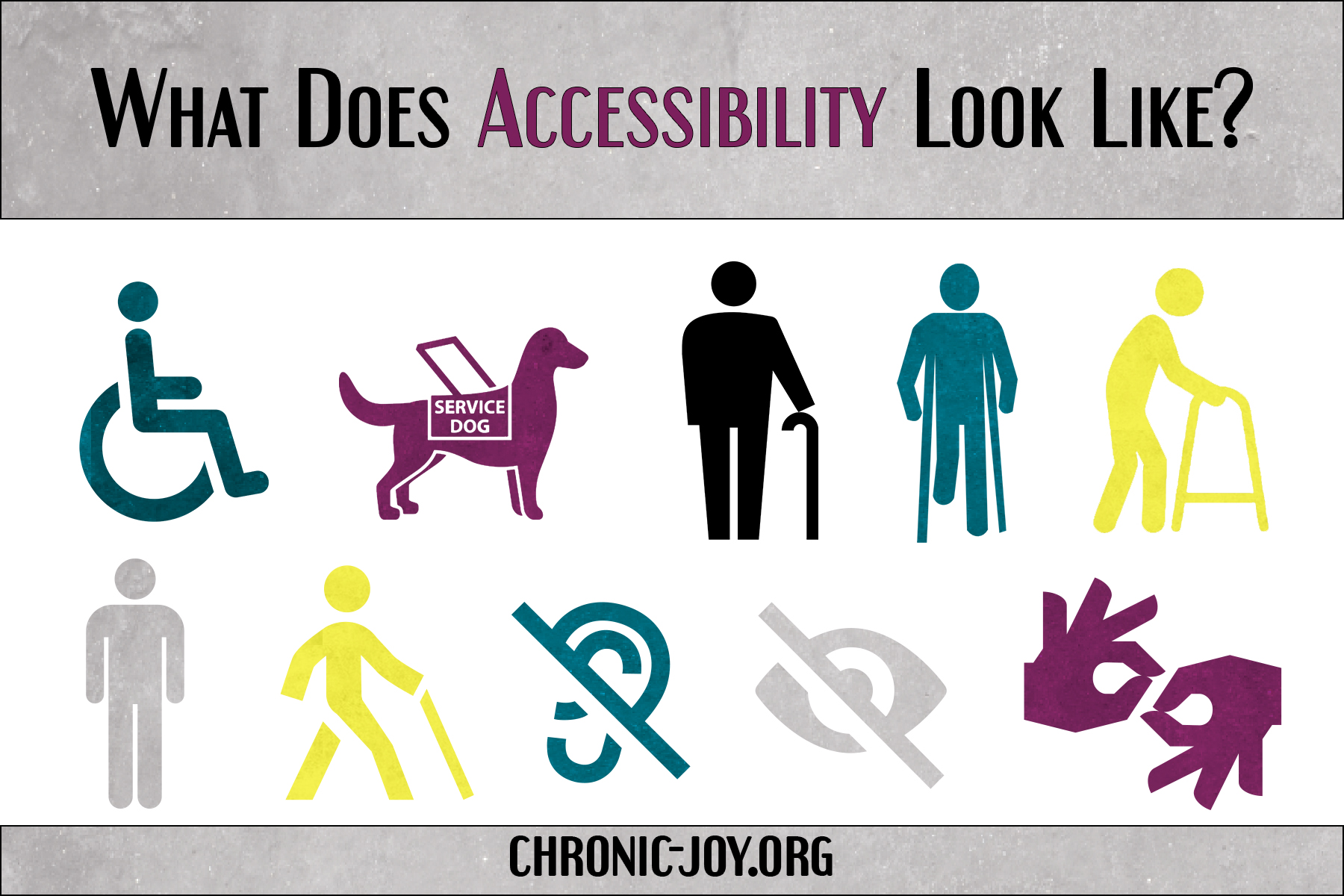
1. Artificial Intelligence and Accessibility: A New Frontier
The access to Artificial Intelligence (AI) has become increasingly easy and sophisticated in recent years. This technology has created remarkable opportunities for people with disabilities to interact with the world in meaningful ways. AI is revolutionizing accessibility; it can now be used to bridge gaps between physical and cognitive disabilities, offering everyone a more inclusive experience.
Ability Access with AI
AI can be used to amplify or augment abilities for people with disabilities, by providing assistive computing services, recognizing facial expressions or lip movements in speech, and transcribing text for visual non-readers. These solutions leverage technologies like facial recognition, natural language processing, and machine learning to provide assistance to users who live with cognitive and physical disabilities. AI can also assist with independence—for example, predicting potential falls and alerting caretakers or medical professionals. AI can be an incredible bridge to info and entertainment, while lifting barriers of inaccessibility.
Supporting Inclusivity
Inclusive applications of AI go beyond assistive use. AI can be leveraged to create an environment that appreciates the differences among its users. AI can be used to understand the diversity in the disabled population and create content that embraces and celebrates it. Furthermore, businesses can use AI to increase visibility and accessibility of their products and services for people with disabilities. AI can be incorporated into processes from building design to product development to improve the overall user accessibility.
A Bright Future
AI’s potential to create a more inclusive world is limitless. As AI continues to advance, it can create a more connected and accessible society, both physically and emotionally. AI will continue to bridge the gap and provide support to people with disabilities, enabling them to access the world and gain equal opportunities to overcome the challenges that they face. Some of the most inspiring examples include developing tools to facilitate learning, providing more job opportunities, and more.
2. How AI is Making the World More Inclusive
In recent years, Artificial Intelligence (AI) Technology has been increasingly used to develop and improve the world’s inclusivity. AI is increasingly used to replace the need for human labor, create systems that are accessible to all, and minimize any potential issues such as accessibility, fairness, and racial Bias. Here are a few ways AI is making the world more inclusive:
I. AI Replaces Human Labor: AI is used to replace the need for human labor in manufacturing, creating jobs for people who otherwise would not have access to them. AI-driven robots can create jobs and reduce the chance for human error. In many cases, AI-assisted robots are able to produce more efficiently and quickly than people, enabling employers to save money while still providing high-quality products.
II. AI Makes Systems Accessible To All:
- AI is used to create systems that are easily accessible to people with disabilities, such as speech-to-text or facial recognition. These systems are able to help those with physical or neurological impairments access the same resources that others may take for granted, ensuring access to information, products, and services.
- AI is also used to create learning algorithms that can be tailored to different types of learners. By giving students access to different types of teaching methods, AI can make learning more effective. This can help students learn more successfully and become more self-sufficient and successful in life.
III. AI Addresses Racial Bias: AI is used to create systems that are free of racial bias, preventing discrimination in the workplace and in other areas. AI-based algorithms are able to detect and address racial biases in areas such as financial lending and employment. This helps ensure that everyone’s rights are respected and that they have the same opportunities no matter their race or background.
3. The Impact of AI on Assistive Technologies
As technology continues to develop, the use of artificial intelligence in all aspects of life becomes more and more common. One of the areas where AI has had a significant impact is in assistive technologies. These are technologies designed to help individuals with disabilities and special needs.
For example, many people with physical disabilities rely on smart prostheses to help them perform actions such as grabbing and holding objects. AI-driven prostheses use advanced sensors and programming to enable users to move limbs in a variety of ways. This technology is a major advantage for individuals with limited mobility.
Another example of AI helping individuals with disabilities is AI-powered voice recognition and assistance. For individuals who are unable to speak or type, voice recognition can be used to have their words converted to text so they can communicate with others. AI is also used to provide individuals with visual disabilities with verbal instructions and guidance, allowing them to access resources that would otherwise be out of reach.
- AI is revolutionizing prostheses for individuals with physical disabilities
- AI-driven voice recognition and assistance makes communication easier for those who are unable to speak
- AI-powered guidance helps those with visual disabilities access resources
4. Unleashing the Potential of Artificial Intelligence
For decades, researchers, engineers and academics have been dreaming of an innovative age where Artificial Intelligence (AI) can open up new possibilities and enhance existing technologies. Through recent advancements and improvements in AI, this vision is on the brink of becoming reality. Armed with digital intelligence and access to large datasets, AI can now handle complicated and complex tasks previously only available to humans.
AI can now process data, recognize patterns, and provide real-time solutions. It can take on mundane tasks in a more efficient way and free up time to focus on more important tasks. Additionally, the scalability aspect of AI also enables more efficient and faster decision making processes. Furthermore, AI is capable of reaching millions through automated marketing messages, banner ads, and pop-ups, delivering more personalized experiences.
In order to unlock AI’s potential, organizations need to be strategic in how they approach the use of such technology. Skilled professionals are needed to identify use cases, establish processes and develop compelling applications. Companies should consider the resources and technical capabilities to ensure success. From consumer-based applications to business-ready platforms, AI can provide invaluable insights and opportunities entrepreneurs need to stay ahead in their respective markets.
As we have seen, AI is unlocking new pathways of accessibility for people with disabilities, providing support and easing communication difficulties. This shift in technology demonstrates its potential to further revolutionize the lives of disabled people around the world. We must seize this potential and continue to improve the everyday experience of people with disabilities.