
In the ever-evolving landscape of dietary trends, the Calories In, Calories Out (CICO) diet has emerged as a focal point of both acclaim and controversy. As more individuals embrace this straightforward approach to weight management,a plethora of myths surrounding its efficacy and practicality have proliferated.This article aims to dissect eight common misconceptions that cloud the understanding of the CICO diet. By presenting evidence-based insights, we hope to clarify the principles of this approach and empower readers to make informed decisions about their nutritional journeys.Join us as we navigate the facts and fiction surrounding the CICO phenomenon, shedding light on what it really takes to achieve a balanced lifestyle.
Debunking the Misconceptions Surrounding the CICO Diet
Many people misunderstand the principles of the CICO (Calories In, Calories Out) diet, often attributing it solely to weight management while ignoring its broader implications for health. one common misconception is that all calories are created equal, leading to the false belief that consuming junk food within a calorie limit is just as effective as eating nutrient-dense foods.In reality, the source of calories plays a significant role in metabolic health and satiety. Foods rich in fiber and protein not only support weight loss but also contribute to overall well-being, while a diet high in processed foods can increase the risk of chronic diseases, irrespective of caloric intake.
Another prevalent myth is the perception that the CICO diet is a one-size-fits-all approach. Critics claim it overlooks individual differences in metabolism, activity levels, and lifestyle factors. However, proponents argue that CICO provides a foundational framework that can be tailored to individual needs. Personalization can include adjusting macronutrient ratios or incorporating specific dietary preferences, which enables individuals to achieve their health goals effectively. As research continues to evolve, it becomes clear that understanding both the quantity and quality of food intake is crucial for sustainable health management.

Understanding the Science Behind Calories In, Calories Out
The principle of Calories In, calories Out (CICO) asserts a fundamental law of thermodynamics: energy balance is crucial for weight management. The notion revolves around the idea that body weight remains stable when the amount of calories consumed equals the amount burned. though, this simplistic view frequently enough fails to consider various factors influencing metabolic processes and individual responses to food intake. These include age, muscle mass, hormonal levels, and even the specific types of foods consumed, all of which can drastically change caloric expenditure rates and nutrient absorption.Consequently, it’s essential to recognize that not all calories are equal in terms of their impact on the body.
Another common misconception is that a strict calorie deficit is the only pathway to weight loss. While reducing caloric intake is necessary, the source of those calories plays a significant role in overall health and weight loss sustainability. For instance, incorporating whole foods like fruits, vegetables, lean proteins, and healthy fats can enhance satiety and metabolic efficiency compared to processed foods high in sugars and unhealthy fats. Thus, focusing solely on calorie counting without considering the nutritional quality can lead to unsustainable eating habits and potential health risks. In essence, a thorough understanding of both caloric intake and nutrient quality is vital for effective weight management.

The Role of Nutritional Quality in the CICO Approach
The nutritional quality of food plays a pivotal role in the CICO (Calories In, Calories Out) approach to weight management. While this method emphasizes calorie counting as the key to weight loss, the type of calories consumed can considerably impact overall health and satiety. A diet rich in nutrient-dense foods—such as fruits, vegetables, whole grains, and lean proteins—provides essential vitamins and minerals that not only support metabolic functions but also help maintain energy levels throughout the day. Conversely, a calorie intake dominated by processed foods can lead to spikes in hunger and cravings, complicating the adherence to the CICO principle.
Moreover, understanding the relationship between macronutrients and their effects on the body is crucial. Different foods can elicit varied hormonal responses that influence appetite regulation and energy expenditure. As an example,high-protein meals may enhance feelings of fullness,thereby reducing overall calorie consumption. It’s essential to consider not only the caloric value of what we eat but also how those calories work within our body’s biochemical pathways. Incorporating a balance of macronutrients can create a more sustainable and effective approach to weight management.
Practical Tips for Success on the CICO Diet
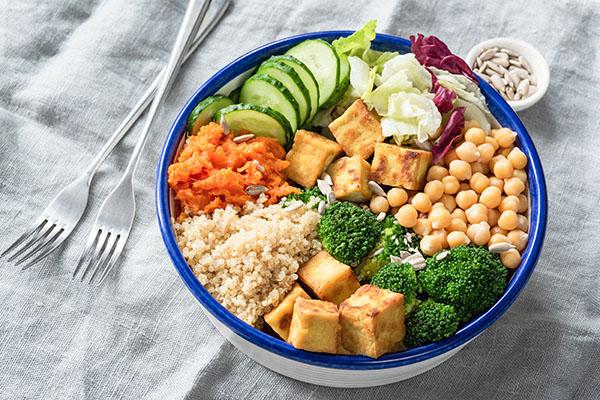
To navigate the CICO diet effectively, it’s crucial to approach your food choices with mindfulness and planning. One practical tip is to track your calorie intake using apps or food journals. This helps you maintain a clear picture of your consumption and ensures you stay within your targeted limits. Additionally, consider incorporating whole foods into your diet, such as fruits and vegetables, which are not only nutritious but also lower in calories, allowing for larger portion sizes that can keep you satisfied without exceeding your caloric goals.
Another key strategy is to prepare meals in advance. Meal prepping not only saves time but also helps you resist the temptation of unhealthy options when hunger strikes.Aim to create balanced meals that include a mix of lean proteins, healthy fats, and carbohydrates. Lastly, don’t forget to hydrate; sometimes, feelings of hunger can actually be signs of dehydration. Keep a water bottle handy and sip throughout the day to stay on track and support your overall weight loss efforts.
To Wrap It Up
In a world often clouded by dietary misinformation, understanding the nuances of the CICO (Calories In, Calories out) diet is crucial for making informed health choices. As we have explored the eight prevalent myths surrounding this approach, it becomes clear that clarity and knowledge are paramount in navigating the complexities of nutrition. By distinguishing fact from fiction,readers can embark on their weight management journeys with renewed confidence and an evidence-based outlook. As always, consulting with healthcare professionals can provide personalized guidance, ensuring that dietary decisions align with individual health goals. In the ever-evolving landscape of diet and wellness, remaining informed is the first step toward achieving lasting success.