

In the rapidly evolving landscape of global finance, Bitcoin has emerged as a transformative force, reshaping not only how we perceive currency but also how we engage with financial systems at large. As the first decentralized digital currency, Bitcoin has carved out a unique niche, offering functionalities that extend far beyond mere speculative investment. In this listicle, we will explore the “10 Key Functions of Bitcoin in Today’s Financial Landscape,” providing a comprehensive analysis of its roles as a medium of exchange, a store of value, a vehicle for financial inclusion, and more. By delving into these fundamental aspects, readers will gain a nuanced understanding of how Bitcoin is influencing both individual financial choices and broader economic trends, as well as the implications of its integration into mainstream finance. Whether you’re a seasoned investor or a curious newcomer, this exploration will equip you with valuable insights into the multifaceted contributions of Bitcoin in today’s interconnected world.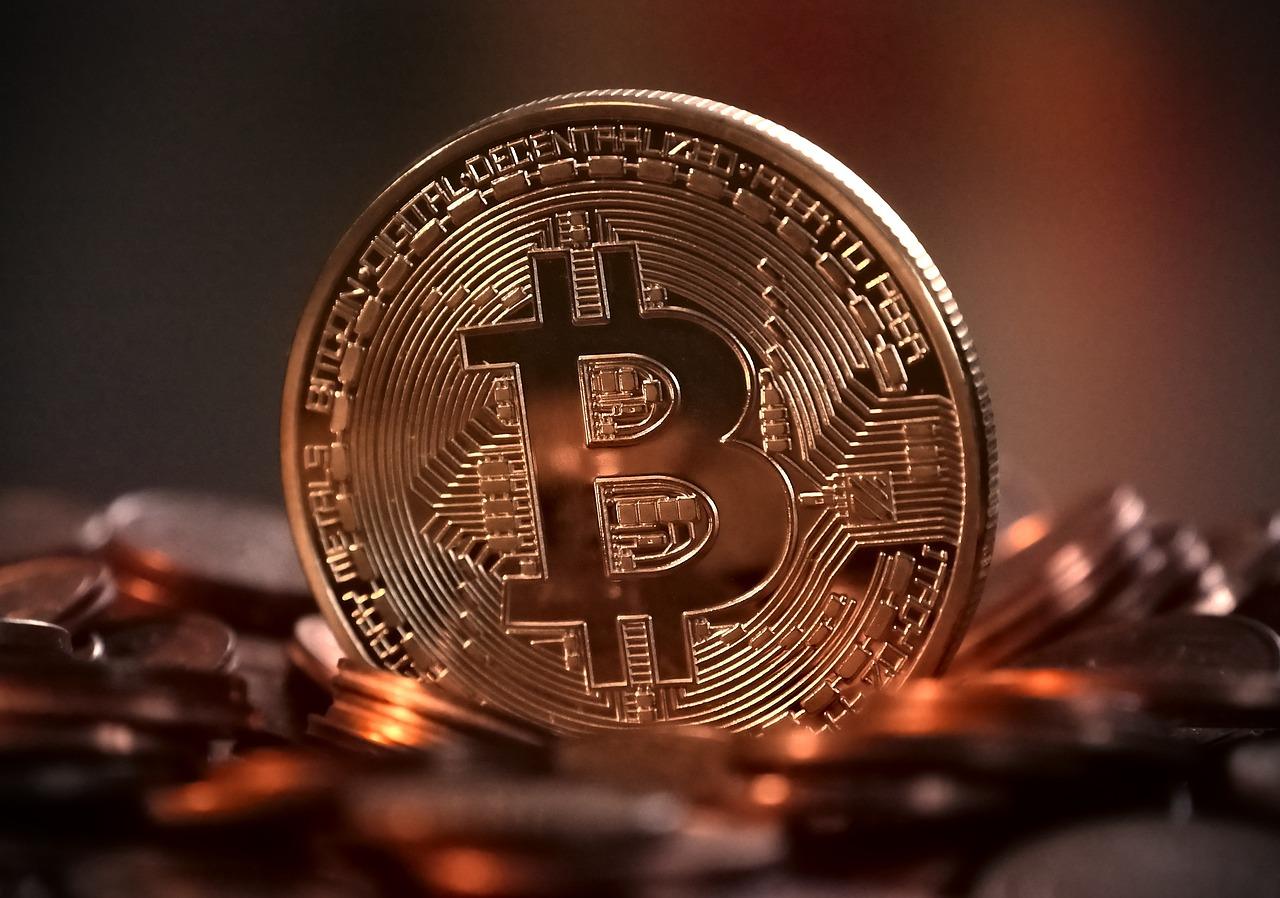
1) Bitcoin as a Store of Value: In an era of economic uncertainty, Bitcoin is increasingly viewed as a digital gold, offering a hedge against inflation and currency devaluation
In an age marked by volatility and unpredictability, many investors are turning to Bitcoin as a modern alternative to traditional stores of value like gold. This digital currency has emerged as an appealing option for safeguarding wealth amidst rising inflation rates and fluctuating fiat currencies. As a decentralized asset, Bitcoin operates independently from the control of central banks and government policies, making it more resilient to the economic forces that often lead to currency devaluation.
One of the key advantages of Bitcoin is its limited supply. With a cap of 21 million coins, the risk of inflation is significantly curtailed compared to fiat currencies that are often printed without restriction. This scarcity generates a sense of intrinsic value, prompting investors to perceive Bitcoin as a hedge against the diminishing purchasing power of fiat money. Moreover, the adoption of Bitcoin by institutional investors lends further credibility to its status as a reliable store of wealth as these entities seek to diversify their portfolios and reduce exposure to traditional market risks.
| Aspect | Bitcoin | Fiat Currency |
|---|---|---|
| Supply Limit | 21 million | No limit |
| Decentralization | Yes | No |
| Inflation Hedge | Strong | Weak |
| Market Trust | Growing | Variable |
These characteristics position Bitcoin as an increasingly popular choice for both individual and institutional investors who are wary of economic instability. As governments struggle with debt and high levels of inflation, a growing number of people are reevaluating traditional financial strategies. Bitcoin’s rise in popularity suggests a shift in how wealth is preserved and accumulated, making it essential for investors to consider this digital asset as a viable component of their financial planning in turbulent times.
2) Decentralized Transactions: Unlike traditional banking systems, Bitcoin enables peer-to-peer transactions that bypass intermediaries, reducing transaction costs and increasing efficiency
In a world where traditional banking systems often impose numerous fees and lengthy processing times, Bitcoin presents a groundbreaking alternative through its decentralized nature. By facilitating peer-to-peer transactions, users can send and receive funds directly without the need for an intermediary, such as a bank or financial institution. This direct transmission not only dramatically shortens the time it takes for the transaction to be completed but also makes it significantly cheaper, as it eliminates the costs associated with intermediaries.
The ability to perform these transactions globally furthers Bitcoin’s significance. Users can engage in financial exchanges with anyone across the globe without the constraints typically imposed by geographical boundaries or varying banking regulations. This accessibility empowers individuals in regions where traditional banking infrastructure may be limited or non-existent. A simple wallet app can suffice for someone looking to transact, making it more feasible for a larger audience, including those from underserved communities.
Moreover, the security and transparency of Bitcoin transactions add an extra layer of confidence for users. Each transaction is recorded on the blockchain, a public ledger that is immutable and transparent. This means that once a transaction is confirmed, it cannot be altered, significantly reducing the risk of fraud. Additionally, the decentralized verification process, typically conducted by a network of nodes, ensures that trust is not placed in a singular point of failure or fraudulent party. Therefore, users can transact with a sense of security that is often absent in traditional financial systems.
3) Financial Inclusion: With a smartphone and internet access, individuals in underserved regions can participate in the global economy, gaining unprecedented access to financial services through Bitcoin
Embracing a new era of financial accessibility, Bitcoin serves as a remarkable vehicle for financial inclusion, particularly in underserved regions where traditional banking systems often fail to penetrate. With the mere possession of a smartphone and internet connectivity, individuals can unlock the door to a world of financial opportunities previously out of reach. This democratization of finance allows those in developing areas to engage in the global economy with unprecedented ease.
Through Bitcoin, users can not only send and receive money with minimal fees, but they also gain access to a range of crucial financial services that may have been unavailable to them. For instance, individuals can enjoy the benefits of, but not limited to:
- Low-cost remittances across borders
- Safeguarding assets against inflation
- Accessing investment opportunities
- Participating in decentralized finance (DeFi) systems
Moreover, the impact of Bitcoin can be quantitatively assessed through its adoption rates. Below is a table reflecting the growth of Bitcoin users in regions with limited financial services:
| Region | Percentage of Bitcoin Users | Year-on-Year Growth |
|---|---|---|
| Africa | 20% | 25% |
| Latin America | 15% | 30% |
| South Asia | 10% | 40% |
This table illustrates the increasing reliance on Bitcoin in regions historically underserved by financial institutions. As highlighted, the growth percentage signifies an accelerating trend, increasingly making Bitcoin a fundamental aspect of financial strategies in these areas. The convergence of technology and finance in this manner creates an empowering landscape where these individuals can not only survive but thrive within the global economy.
4) Hedging Against Geopolitical Risk: Bitcoins borderless nature allows users to preserve wealth in unstable regions, acting as a safeguard against political and economic turmoil
In today’s volatile geopolitical landscape, individuals living in unstable regions are increasingly turning to Bitcoin as a means of safeguarding their wealth. This decentralized currency transcends national borders, allowing users to effectively store and transfer value regardless of local currency fluctuations or governmental restrictions. By providing an alternative to traditional banking systems, Bitcoin offers a safe haven for individuals concerned about hyperinflation, currency devaluation, or abrupt changes in political regimes.
The borderless nature of Bitcoin also serves as a crucial tool for those affected by economic sanctions or oppressive governmental policies. Users can easily access their assets, exchange them for other currencies, or engage in peer-to-peer transactions without the need for intermediaries. This newfound financial autonomy empowers individuals in regions where traditional financial systems may fail, ensuring they have a means to preserve their purchasing power. Furthermore, the pseudonymous nature of Bitcoin transactions can serve as a layer of protection against state surveillance, providing a degree of privacy and security that is often lacking in conventional banking environments.
| Advantages of Bitcoin in Unstable Regions | Description |
|---|---|
| Decentralization | Eliminates reliance on local banks and governments. |
| Accessibility | Can be accessed and transferred worldwide at any time. |
| Inflation Hedge | Preserves value against local currency inflation. |
| Privacy | Offers greater anonymity in financial transactions. |
5) Facilitating Remittances: Bitcoin streamlines cross-border remittances, providing a faster and cheaper alternative to conventional remittance services, which often involve high fees and long wait times
In the realm of financial transactions, the traditional remittance process is often mired in inefficiencies. This includes high fees, lengthy processing times, and reliance on physical banking institutions or services like Western Union. Bitcoin emerges as a revolutionary alternative, enabling users to send money across borders in mere minutes, regardless of the geographical distance. Unlike conventional services, which can take several days to complete a transaction, Bitcoin operates on a decentralized network that eliminates intermediaries, expediting the transfer of value.
Cost-effectiveness is a significant advantage that Bitcoin offers. By minimizing transaction fees, which can reach up to 7-10% with traditional remittance services, Bitcoin allows users to retain a larger portion of their funds. The only costs associated with a Bitcoin transfer are network fees, which, on average, are considerably lower. This reduction in expenses is particularly beneficial for migrant workers sending money back home, enabling families to receive more financial support without the burden of steep charges. Here’s a quick comparison of typical remittance fees versus Bitcoin transaction fees:
| Service Type | Average Fee (%) | Average Transfer Time |
|---|---|---|
| Traditional Remittance | 7-10% | 3-5 days |
| Bitcoin Transfer | 0.1-1% | 10-30 minutes |
Moreover, Bitcoin operates without the constraints of currency exchange rates that can diminish the value of remittances. In countries where local currencies may be volatile or subject to inflation, Bitcoin provides a stable, global unit of value. This opens new pathways for individuals to transact and invest beyond their national borders. By leveraging blockchain technology, Bitcoin ensures that transactions are transparent and secure, fostering trust in an otherwise opaque remittance market. Thus, it not only represents a faster and cheaper option but also empowers users with increased control over their financial assets.
Closing Remarks
As we navigate through the complexities of today’s financial landscape, it becomes increasingly clear that Bitcoin has carved out a multifaceted role that extends far beyond its initial conception as a digital currency. Its functions, ranging from a hedge against inflation to an instrument for cross-border transactions, underscore its adaptability and potential to reshape traditional financial paradigms.
Our exploration of the ten key functions of Bitcoin highlights its significance in an era characterized by economic uncertainty and rapid technological advancement. Whether facilitating financial inclusion for the unbanked or providing a new vehicle for investment diversification, Bitcoin is not just a speculative asset; it is increasingly seen as a cornerstone of modern finance.
As the regulatory environment evolves and more institutions adopt blockchain technology, the implications of Bitcoin’s integration into the financial system will only expand. Investors, policymakers, and everyday users must remain vigilant in understanding both the opportunities and challenges that this digital asset presents. The future of finance is still being written, and Bitcoin continues to play a pivotal role in shaping that narrative.
the critical functions of Bitcoin that we’ve examined serve as a testament to its resilience and relevance in our financial ecosystem. As we look ahead, only time will reveal the full extent of Bitcoin’s impact, but its presence is undeniably here to stay, prompting us to rethink the very nature of money itself.