
Visionary Approach to XRP Engineering
The XRP ledger team is dedicated to a bold mission: to develop a cryptocurrency that streamlines cross-border transactions, making them quicker, more affordable, and more efficient. XRP, the native currency of the Ripple network, aims to serve as a bridge between conventional financial systems and the world of cryptocurrencies.The team’s focus is on scalability and interoperability, ensuring the network can integrate seamlessly with other blockchain technologies and legacy banking systems.
However, realizing this vision presents significant challenges. The team must address issues related to centralization and governance to build trust within the XRP ecosystem. By doing so, they aim to create a solution that bridges the gap between traditional and digital finance, driving innovation and efficiency in global payments.
Comparing XRP and Bitcoin Architecture
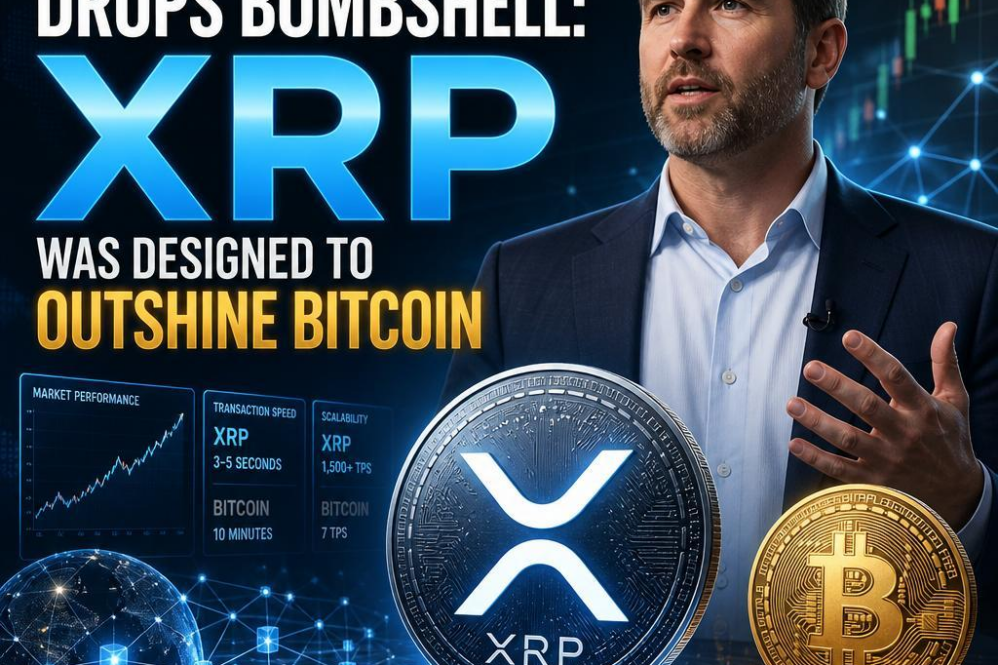
The debate over whether XRP’s architecture surpasses that of Bitcoin continues. Bitcoin, the pioneer of blockchain technology, relies on a proof-of-work (PoW) mechanism for transaction validation, which is secure but slow. In contrast, XRP utilizes a Consensus Protocol that enables faster transaction speeds and lower fees. This makes XRP particularly attractive to large financial institutions that require fast, reliable, and cost-effective transaction processing.
Though, XRP’s architecture also raises concerns about centralization, which contrasts with Bitcoin’s decentralized ethos. The choice between these systems depends on factors such as scalability needs and user preferences regarding decentralization versus speed and cost efficiency.
Insights from Ripple’s Executive Suite
Ripple’s leadership, including CEO Brad Garlinghouse, underscores the importance of regulatory clarity and interoperability in the digital asset space. Garlinghouse emphasizes that clear regulations are crucial for the growth of digital assets like XRP.The company’s focus on interoperability and the expansion of its RippleNet platform reflect a strategy to integrate blockchain technology into existing financial systems. This approach aims to enhance transaction capabilities while adhering to regulatory requirements.
Despite the promise of Ripple’s initiatives, significant challenges remain. These include navigating international regulations, addressing security and scalability concerns, and ensuring that technological advancements benefit users across different market contexts.
Boosting Blockchain Efficiency Through XRP
XRP distinguishes itself in the blockchain landscape with its unique approach to enhancing transaction efficiency. Unlike many other cryptocurrencies, XRP prioritizes speed and scalability over decentralization. This allows XRP transactions to settle in just a few seconds, making it particularly appealing for businesses and financial institutions that need to handle large volumes of transactions efficiently.
The XRP Ledger’s innovative consensus protocol differs from the Proof of Work (PoW) or Proof of Stake (PoS) mechanisms used by other cryptocurrencies. This protocol minimizes energy consumption and reduces the time required for transaction verification. However,the reliance on a central authority for transaction validation raises concerns about decentralization.
Despite these performance benefits, integrating XRP into various financial systems faces challenges, including regulatory scrutiny and the perception of centralization. Nonetheless, the technology holds promise for bridging the gap between traditional finance and the efficiency of digital payments.
The success of XRP and Ripple’s strategy hinges on their ability to balance innovation with the practical constraints faced by adopters, particularly in the heavily regulated banking sector.