

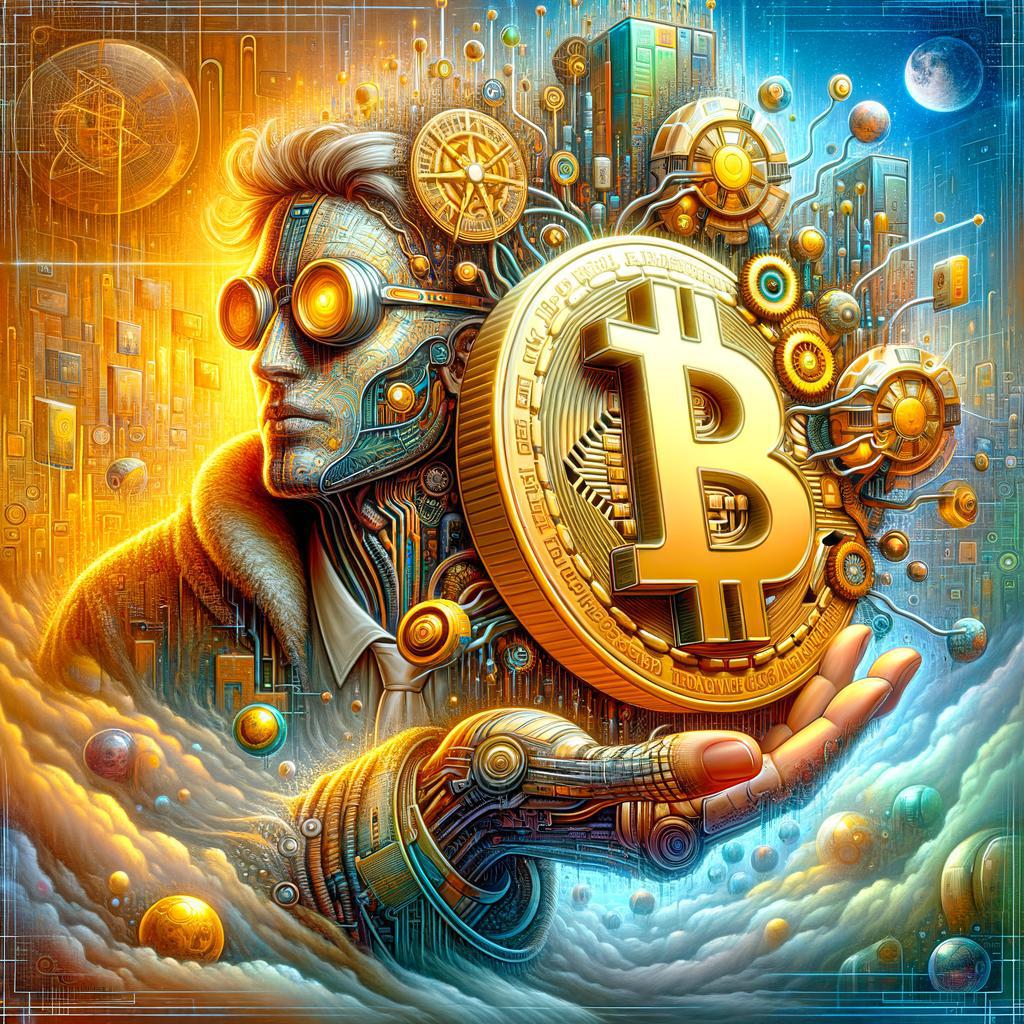
The Power of Art: Exploring the Impact of Visual Expression
Art has been a fundamental part of human existence since the beginning of time. From cave paintings to modern-day masterpieces, art has evolved and adapted to reflect the ever-changing world we live in. It is a form of expression that transcends language and cultural barriers, allowing us to communicate and connect with one another on a deeper level. Among the various forms of art, visual art, in particular, has a unique power to evoke emotions, spark imagination, and inspire change. In this article, we will explore the impact of visual expression and how it has the ability to shape our perceptions and influence our lives.
Visual art encompasses a wide range of mediums, including painting, sculpture, photography, and digital art. Each of these mediums has its own distinct characteristics, but they all share the common goal of conveying a message or idea through visual representation. This ability to communicate without words is what makes visual art so powerful. It allows us to tap into our emotions and connect with the artist’s vision, regardless of our background or beliefs.
One of the most significant impacts of visual art is its ability to evoke emotions. A painting or sculpture can convey a range of emotions, from joy and happiness to sadness and despair. For example, Vincent Van Gogh’s “Starry Night” is known for its ability to evoke a sense of tranquility and wonder in its viewers. The swirling brushstrokes and vibrant colors create a dreamlike atmosphere that transports the viewer into the artist’s world. Similarly, the haunting images of Pablo Picasso’s “Guernica” evoke feelings of horror and grief, depicting the atrocities of war. These emotions are not limited to the artist’s intention but can also be interpreted differently by each viewer, making the experience of art deeply personal and subjective.
Moreover, visual art has the power to spark imagination and inspire creativity. When we look at a piece of art, our minds are stimulated, and we are encouraged to think beyond what is presented in front of us. We are invited to explore different perspectives and interpretations, allowing us to expand our thinking and see the world in a new light. This is especially true for abstract art, where the artist’s intention is not always clear, leaving room for the viewer’s imagination to run wild. This process of interpretation and imagination is not limited to the art itself but can also extend to our daily lives, encouraging us to think outside the box and find new solutions to problems.
Furthermore, visual art has the power to inspire change and bring attention to important social and political issues. Throughout history, artists have used their work to shed light on societal injustices and spark conversations about pressing issues. For instance, the feminist art movement of the 1960s and 1970s used visual art to challenge gender stereotypes and advocate for women’s rights. More recently, street artists like Banksy have used their art to raise awareness about political and social issues, such as immigration and consumerism. By using powerful imagery and symbolism, these artists have the ability to reach a wide audience and ignite change.
In conclusion, visual art is a powerful form of expression that has the ability to evoke emotions, spark imagination, and inspire change. It allows us to connect with one another and understand the world in a deeper and more meaningful way. As we continue to evolve and face new challenges, the power of visual art will continue to play a crucial role in shaping our perceptions and influencing our lives. So next time you come across a piece of art, take a moment to appreciate its impact and the message it conveys.
