
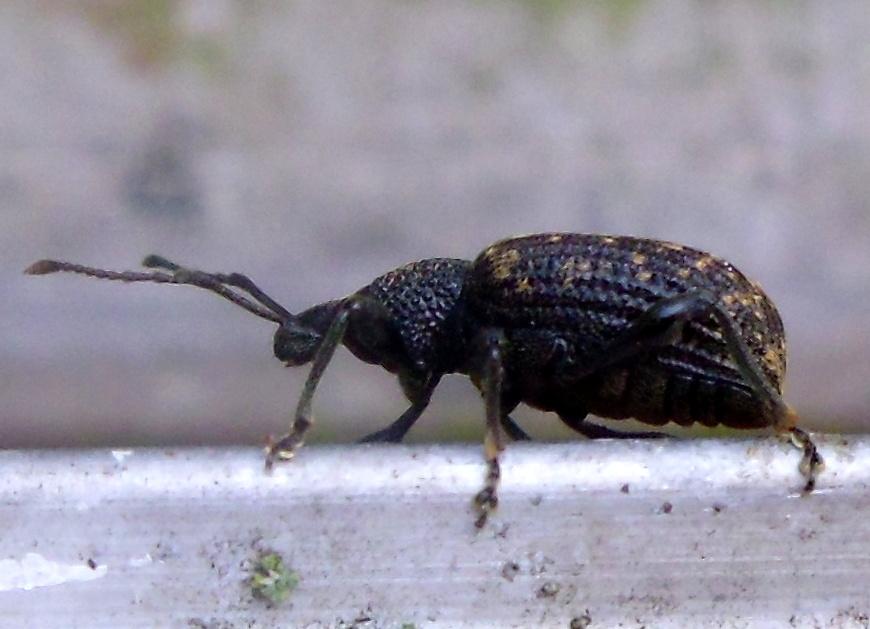
Introduction:
Recent research has unveiled a troubling link between wood-eating beetles and the escalating carbon emissions from wildfires. As these pests proliferate in forests stressed by climate change, they not only weaken trees but also facilitate conditions for more intense and carbon-heavy burn events. This evolving ecological dynamic raises meaningful concerns for climate scientists and environmental policymakers alike, who are now confronted with the prospect of an additional layer of complexity in managing wildfire emissions. Understanding the role of these beetles could be crucial in devising effective strategies to mitigate the impacts of climate change on our forests and the atmosphere.
Impact of Wood-eating Beetles on Carbon Emissions During Wildfires
Recent studies indicate that wood-eating beetles, such as bark beetles, may considerably amplify carbon emissions during wildfires. These insects weaken forest ecosystems, leading to increased tree mortality and dead biomass. As wildfires ignite these weakened trees, the resultant emissions can exceed those from healthy forests. This chain reaction not only fuels larger and more intense fires but also transforms previously carbon-storing forests into sources of greenhouse gases.
The phenomenon can be attributed to the structural changes in forest composition affected by beetle infestations. With the decline of resilient tree species, the ecosystem becomes increasingly susceptible to fire. Insects like bark beetles effectively accelerate this decline, creating a landscape where the ratio of dead to living trees skews dramatically. This shift can result in higher carbon release not only from burning trees but also from the decay of wood post-fire.
Research analyzing fire data in previously infested areas has showcased alarming trends.Findings include:
- Increased fire severity: Infested regions experience hotter and more explosive fires.
- Extended fire seasons: Weakened ecosystems have longer periods of vulnerability.
- Enhanced carbon footprint: Initial data suggests that emissions from such fires can rise by up to 30%, contributing further to climate change.

Understanding the Ecological Role of Bark Beetles in Forest Dynamics
Bark beetles play a crucial yet complex role in the dynamics of forest ecosystems. As primary wood-decomposers,they contribute to nutrient cycling by breaking down dead and dying trees,thus fostering new growth. their activity, while often viewed as detrimental, paves the way for a diverse forest structure. In healthy populations, these beetles can create essential habitats for numerous species by facilitating the regeneration of forest flora and increasing biodiversity.
However, the surge in bark beetle populations, fueled by climate change and forest stressors, has sparked rising concerns among ecologists. When these insects infest and kill large swathes of trees, they turn vast areas of forest into tinderboxes, significantly elevating the risk of catastrophic wildfires. This transformation not only disrupts ecological processes but may also lead to increased carbon emissions released during these fires, exacerbating the effects of climate change.the interaction between bark beetles and wildfire dynamics is a crucial area of study as it highlights a paradox in forest health and sustainability.
Researchers are increasingly focusing on the implications of enhanced carbon emissions resulting from bark beetle activity. Key considerations include:
- Carbon Stock Changes: Infestations can result in the loss of substantial stored carbon within trees.
- Fire Intensity: Dead wood contributes to increased fire intensity and duration, leading to more carbon release.
- Mitigation Strategies: Understanding beetle ecology can inform better management practices to prevent severe wildfires.
Through ongoing research, scientists aim to unravel the complex interactions between bark beetles and forest dynamics, ultimately shaping strategies to mitigate wildfire consequences in ecosystems vulnerable to these wood-eating pests.

Effective Management Strategies to Mitigate Wildfire Risks and Carbon Release
the increasing prevalence of wood-eating beetles, which infest trees and compromise their structural integrity, necessitates adaptive approaches to managing wildfire risks and the associated carbon emissions. As these pests weaken forest ecosystems,the likelihood of intense wildfires rises,leading to greater carbon release during combustion.Proactive forest management strategies are thus essential in controlling beetle populations and safeguarding these critical natural resources.
Key strategies to counteract these challenges include:
- Regular Monitoring: Implementing systematic surveillance of forest health can help detect beetle infestations early, enabling timely interventions.
- Enhanced Thinning Practices: Reducing tree density through selective thinning can diminish the beetle population by decreasing competition for resources,leading to healthier trees more resistant to pest infestations.
- Promoting Biodiversity: Cultivating a diverse range of tree species can bolster ecosystem resilience, making forests less vulnerable to widespread infestations.
furthermore, integrating controlled burns as a management tool can significantly mitigate wildfire risks. These burns not only reduce excess fuel loads but also create a healthier forest habitat that is less susceptible to pests. A recent study has shown that properly managed burns combined with pest control efforts can lead to a notable decrease in carbon emissions during wildfires, highlighting the dual benefits of such a holistic approach. By prioritizing these management strategies, forests can be better equipped to withstand the relentless threat posed by wood-eating beetles while maintaining their ecological balance.
In Conclusion
As researchers continue to examine the intricate relationships between wood-eating beetles, wildfires, and carbon emissions, it becomes increasingly clear that the effects of these pests extend far beyond the immediate damage to forests. The findings suggest that the infestation of these beetles may exacerbate the severity of wildfires and contribute to the release of additional carbon into the atmosphere, further accelerating climate change. Understanding these dynamics is crucial for forest management strategies and efforts to mitigate wildfire impacts in an era of rising temperatures and changing ecosystems. As the implications of this research unfold,it underscores the importance of addressing not only the symptoms of forest degradation but also the broader ecological interactions at play. Continued vigilance and proactive measures will be essential in navigating this complex environmental challenge.