

With the rise of digital currencies like Bitcoin and the prevalence of traditional payment methods such as credit cards, understanding the nuances between them becomes increasingly vital. Bitcoin, the pioneering decentralized digital currency, has transformed the landscape of financial transactions by enabling peer-to-peer transfers without the involvement of banks or credit card companies. On the other hand, credit cards, ubiquitous in modern commerce, operate under a conventional borrowing system facilitated by financial institutions. This article delves into the fundamental disparities between Bitcoin and credit cards, shedding light on their ownership structures, transaction processes, and broader implications for the financial realm. Let’s explore the intricacies of these two distinct payment mechanisms and unravel how each shapes the dynamics of the digital economy.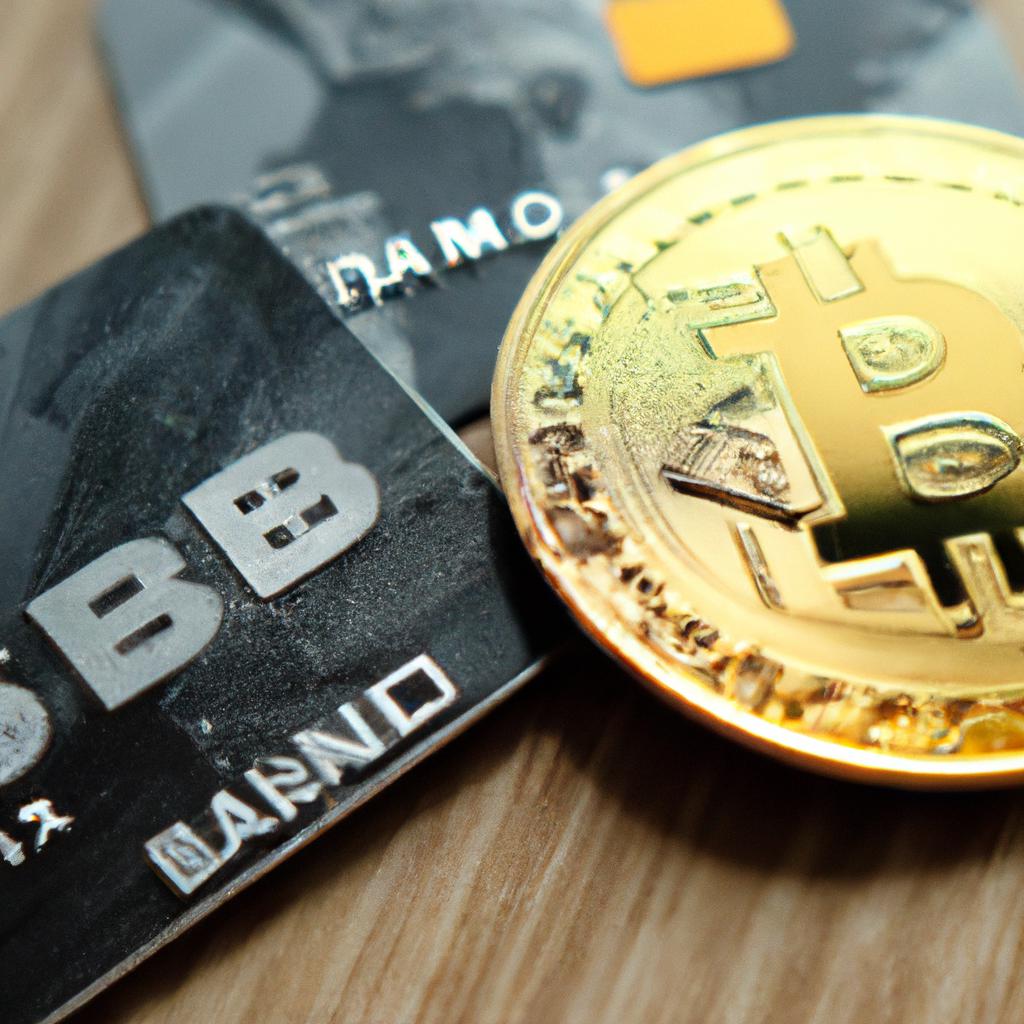
Key Differences Between Bitcoin and Prepaid Cards
I apologize for the inconvenience. Let’s proceed by crafting the content for the “” section:
In the realm of digital transactions, the contrast between Bitcoin and prepaid cards is notable. Bitcoin, as a decentralized digital currency, stands distinctively apart from prepaid cards in its core functionality. With Bitcoin, the essence lies in direct peer-to-peer transactions devoid of intermediaries, unlike prepaid cards tethered to financial institutions.
In the realm of ownership and transaction mechanisms, the dichotomy between Bitcoin and prepaid cards is pronounced. Bitcoin ownership is autonomous, empowering individuals with full control and privacy over their funds. In stark contrast, prepaid cards operate within the confines of financial institutions, requiring users to load money onto a card for transactions—a structured approach that diverges from Bitcoin’s decentralized ethos.
Feel free to incorporate this content into your website section.
Understanding the Decentralized Nature of Bitcoin Versus Prepaid Cards
Bitcoin and prepaid cards represent two distinct financial instruments with unique characteristics. Bitcoin, as a decentralized digital currency, offers a peer-to-peer transaction system without the need for intermediaries like banks or prepaid card companies. In contrast, prepaid cards are issued by financial institutions and enable users to load money onto a card for subsequent purchases.
The fundamental difference lies in the ownership and control of funds. With Bitcoin, users have direct ownership of their digital assets stored in their wallets, allowing for greater autonomy and security. On the other hand, prepaid cards involve depositing funds with a third-party provider, limiting control over the funds to the extent loaded onto the card. Additionally, the payment process differs significantly, with Bitcoin transactions being decentralized and recorded on a public ledger, while prepaid card transactions rely on the issuer’s infrastructure for processing. This distinction underscores the innovative decentralized nature of Bitcoin, revolutionizing financial transactions beyond the conventional mechanisms of prepaid cards.
Ownership and Security: A Comparative Analysis of Bitcoin and Prepaid Cards
Bitcoin, as a decentralized digital currency, operates on a peer-to-peer network, offering users autonomy over their transactions. Unlike credit cards issued by financial institutions, Bitcoin transactions do not involve intermediaries like banks or credit card companies. This autonomy empowers users to have direct control over their funds and eliminates the need for centralized authorities.
Moreover, Bitcoin transactions are secure and transparent due to the blockchain technology on which it operates. This ensures that every transaction is recorded on a public ledger, providing a high level of security and eliminating the risk of fraud. In contrast, credit card transactions rely on the approval of banks and credit card companies, subjecting users to potential privacy concerns and security risks associated with centralized systems.
In the realm of financial transactions, the pivotal disparity between Bitcoin and credit cards is rooted in the essence of ownership and authority. Bitcoin epitomizes a paradigm shift, endowing individuals with unparalleled autonomy over their financial assets. Unlike the conventional credit card system, where users rely on borrowed funds from issuers, Bitcoin fosters a culture of direct control and sovereignty over one’s wealth. This distinction underscores the transformative power of decentralized digital currencies in reshaping the dynamics of financial empowerment.
Furthermore, the fundamental divergence extends beyond mere ownership to encompass the very fabric of transactional control. With Bitcoin, the peer-to-peer nature of transactions eliminates the traditional intermediaries like banks or credit card companies. This liberation from third-party interventions not only streamlines the payment process but also enhances the security and privacy of transactions. In contrast, credit card transactions involve a complex infrastructure of lenders and borrowers, marked by inherent dependencies on financial institutions. The evolution of financial landscapes through technologies like Bitcoin heralds a new era of financial self-determination and disruptive innovation.
Enhancing Financial Freedom: Utilizing Bitcoin or Prepaid Cards for Transactions
In the realm of financial transactions, Bitcoin and prepaid cards represent distinct paradigms that redefine the notion of financial autonomy. Bitcoin, as a decentralized digital currency, operates on a peer-to-peer network, empowering users with direct control over their transactions. Unlike prepaid cards issued by financial institutions, Bitcoin transactions bypass intermediaries like banks or credit card companies, ensuring unparalleled autonomy and security.
Moreover, Bitcoin transactions are anchored in blockchain technology, guaranteeing transparency and immutability in transaction records. On the contrary, prepaid cards offer users the convenience of loading money onto a card for purchases, subject to predefined terms. The fundamental distinction lies in ownership and control, where Bitcoin embodies a culture of direct sovereignty over finances, while prepaid cards entail reliance on preloaded amounts. Embracing Bitcoin signifies embracing a new era of financial empowerment and decentralization, transforming the transactional landscape into a realm of self-directed financial freedom.
Wrapping Up
Here is the outro for the article comparing Bitcoin and a prepaid card:
“the comparison between Bitcoin and a prepaid card highlights the fundamental differences in how financial transactions are conducted. While Bitcoin offers a decentralized and peer-to-peer transaction system, prepaid cards operate within the traditional financial infrastructure. Understanding these distinctions sheds light on the evolving landscape of digital currency and traditional payment methods, paving the way for informed financial decisions in an increasingly interconnected world.”
Let me know if you need any further assistance!