
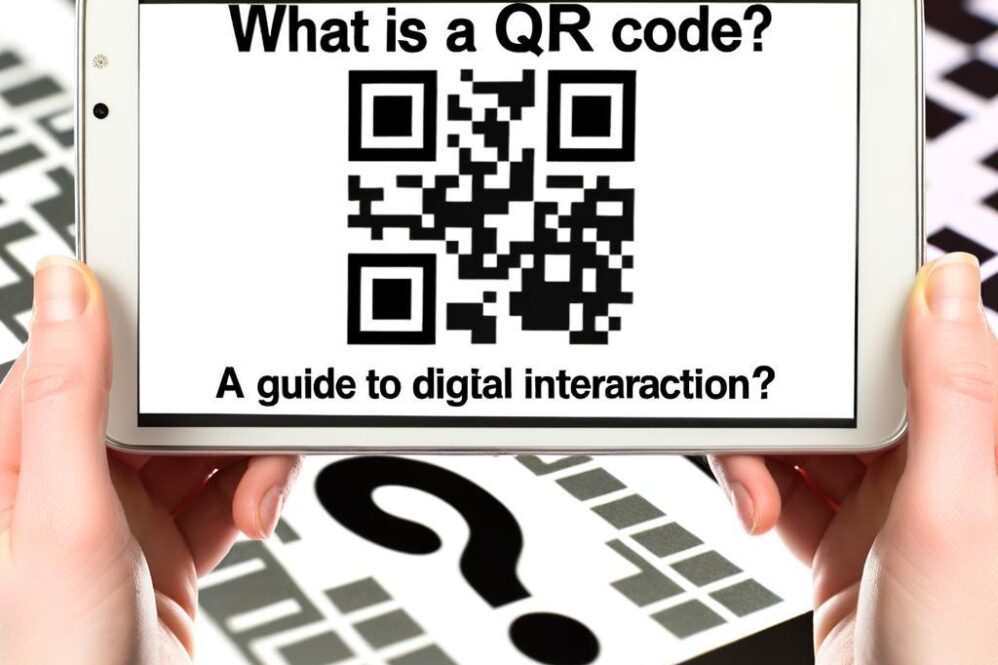
What Is a QR code? A quick Primer on the Technology Behind the Squares
A QR code is a compact,machine-readable matrix barcode that stores data in a two-dimensional grid of black and white squares. Invented by Denso Wave in 1994, QR codes were designed to be scanned quickly and carry far more data than conventional one-dimensional barcodes.Today they are pervasive in commerce, advertising and logistics because they link the physical world to digital resources-URLs, contact cards, payment requests and short text-while remaining readable even when printed small or viewed at an angle.
Under the surface a QR code combines several specialized features that make fast, reliable decoding possible. Key structural elements include:
- Finder patterns – three large squares in the corners that allow scanners to detect orientation;
- Alignment patterns – smaller markers that correct distortion on curved or tilted surfaces;
- Timing patterns – alternating modules that establish the grid’s coordinate system;
- Format and version information – metadata that tells the reader about error-correction level and mask pattern;
- Data and error-correction codewords – the encoded payload and redundancy used to restore damaged bits.
These built-in mechanisms let even consumer smartphone cameras turn a photographed square into reliable digital data.
The scanning process is a mix of image processing and information theory: a camera captures the pattern, software binarizes and locates finder patterns, corrects perspective, then extracts and interprets codewords using the specified encoding modes (numeric, alphanumeric, byte/binary, or Kanji). Robust error correction – selectable as L, M, Q or H - allows recovery from dirt, scratches or partial obscuration; higher levels increase resilience but reduce maximum data capacity. Practical limits vary by version and mode (for example, a Version 40 code can hold up to 7,089 numeric characters or 2,953 bytes), which is why designers choose formats and correction levels that balance capacity, reliability and print size for each application.
How QR Codes Work: Decoding Structure, Scanning and Security
At a glance a QR code is a tidy grid of black and white squares, but it’s value lies in a precise internal architecture that makes fast, reliable decoding possible. The matrix is divided into function and data zones: finder patterns (large squares in three corners) anchor orientation and scale, alignment patterns correct distortion in larger codes, and timing patterns set module coordinates. Format and version information specify error‑correction level and mask pattern, while the remainder holds encoded payload and Reed‑Solomon error‑correction codewords. Key structural elements include:
- Finder, alignment and timing patterns - for localization and geometry;
- Format/version information – to interpret encoding rules;
- Data and error‑correction blocks – where the message and recovery bytes live.
Scanning is a short,deterministic pipeline that turns an image into usable data. A camera captures the symbol, software locates the finder patterns, applies perspective correction and binarization, then samples the module grid according to the timing pattern; the format bytes reveal which mask to remove and which decoding mode to use (numeric, alphanumeric, byte, Kanji). After reassembling data blocks the decoder runs Reed‑Solomon error correction, which can recover lost or damaged modules up to the chosen correction level, and finally interprets the payload as a URL, plain text, contact, or other data type. Modern readers add heuristics – e.g., autofocus handling, low‑light noise filtering and multi‑frame integration – to improve reliability on consumer devices.
Functionality creates chance but also exposes risks, so security must be part of any QR deployment. Malicious actors can embed phishing URLs, initiate unintended actions, or present tampered visuals; conversely, QR codes wiht high error‑correction levels can hide decorative overlays that complicate automated verification. Practical safeguards include user and developer measures:
- Preview the destination before opening links and verify domains;
- Use trusted scanner apps that show full URLs and block known malicious sites;
- Prefer HTTPS and signed payloads for dynamic or payment flows, and implement server‑side validation of any scanned input.
Adopting these controls – along with monitoring, short‑lived dynamic codes for campaigns, and clear visual cues for legitimate sources – reduces misuse while preserving the QR code’s convenience and reach.
QR Codes in Everyday Life: Practical Uses, Best Practices and Risks
Everyday implementations span retail, travel, hospitality and public services: consumers tap QR codes to complete contactless payments, pull up digital menus, check in to events, download apps, join Wi‑Fi networks, and access product information in stores. Organizations use them for fast authentication, ticketing and boarding passes, and to link physical ads to web content.
- Retail and restaurants: contactless payments, menus, loyalty programs.
- Transport and events: mobile boarding passes, e‑tickets, venue check‑in.
- Marketing and information: digital brochures, AR experiences, product provenance.
Adopt pragmatic best practices to preserve usability and trust. Design matters-ensure adequate size, high contrast and error correction so codes scan reliably under different lighting and distances. Prefer dynamic QR codes (redirects) for analytics and the ability to revoke or update destinations, and always use HTTPS destinations to reduce interception risk.
- Label codes clearly so users know what they’re scanning (e.g., ”scan to pay” or “scan for menu”).
- Test across multiple devices and scanner apps and provide a visible fallback URL or short link for those who prefer typing.
- Limit embedded permissions and expiration for single‑use or sensitive workflows.
Risks are real but manageable with simple safeguards. QR codes can be abused for phishing, malware distribution, unwanted tracking or fraudulent payments when attackers replace legitimate codes or craft malicious targets. Users and organizations should treat codes like any link: preview destinations, use trusted scanner apps that show URLs before opening, and avoid granting app permissions prompted after scanning.
- Mitigations for users: enable OS security updates, preview links, use bank/official apps for payments.
- Mitigations for organizations: monitor printed placements for tampering, rotate dynamic codes when compromised, and display clear privacy notices when collecting data.
As QR codes move from novelty to near-ubiquity, they have become a quiet but powerful bridge between the physical and digital worlds. What began as a barcode variant for inventory tracking now empowers contactless payments, interactive marketing, ticketing, and even secure authentication – all with a single, scannable image. Understanding how QR codes work, their benefits, and their limitations helps organizations deploy them more effectively and helps consumers use them more safely.
For businesses, the takeaway is pragmatic: design QR experiences with the user in mind.Keep landing pages mobile-optimized, make the call to action clear, use dynamic codes when you need flexibility or analytics, and test across devices and lighting conditions. For individuals, remain vigilant - verify a code’s source before handing over personal data and prefer trusted apps or on-device scanners that preview URLs. Both sides should balance convenience with basic security and privacy hygiene.Looking ahead, QR codes will continue to evolve as they integrate with payments, augmented reality, and identity systems, making them an increasingly significant tool in digital engagement strategies. Their real value isn’t the pattern itself but the seamless connections it enables: quick access, measurable interactions, and new pathways for storytelling and commerce.
Whether you’re a marketer plotting your next campaign, a developer building the next payment flow, or a consumer curious about the tech in your pocket, QR codes are worth understanding. used thoughtfully, they offer a simple, scalable way to make the physical world more interactive – and that’s a future worth scanning for.

