

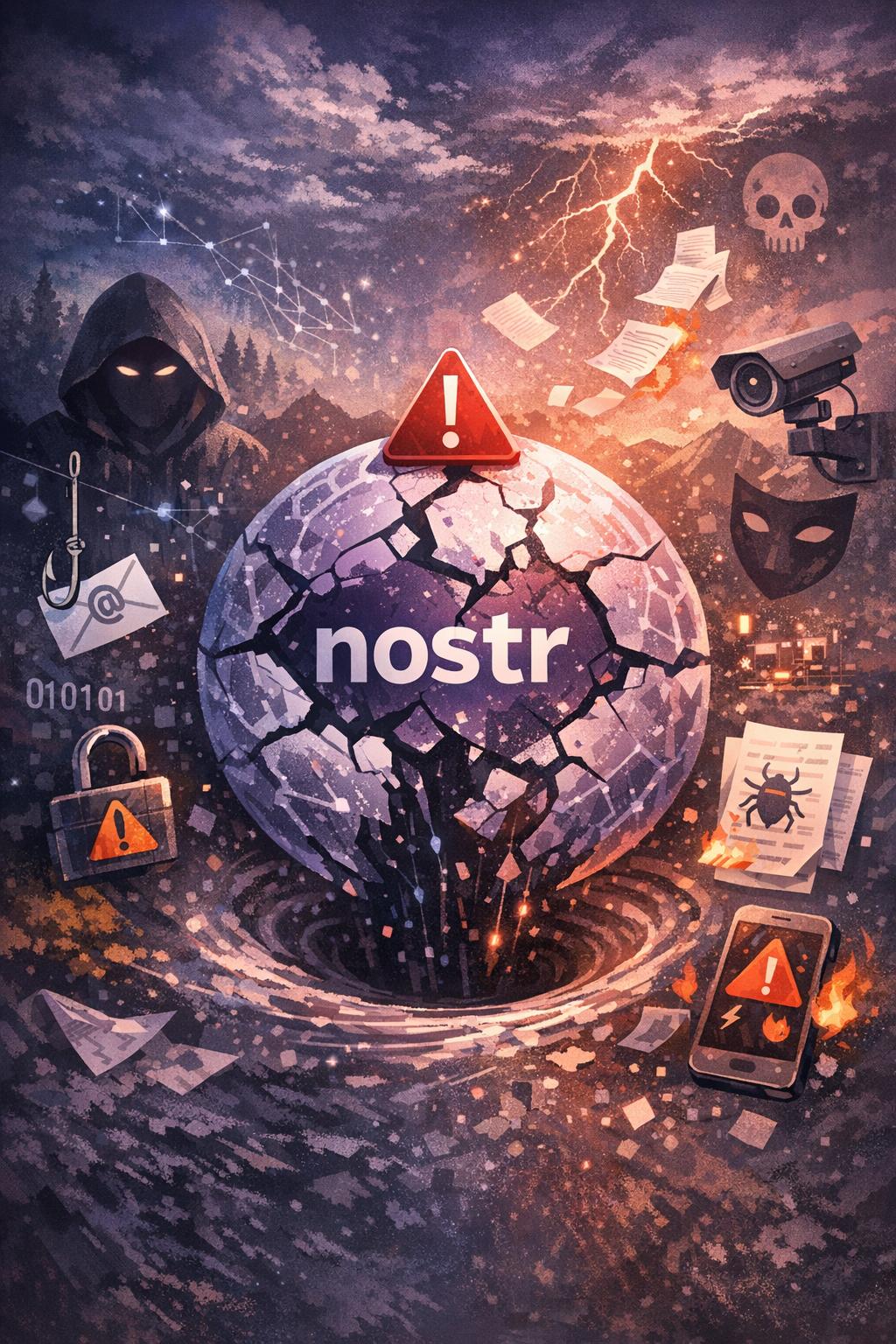
While Nostr presents an innovative model for decentralized social networking, users must remain vigilant about potential security pitfalls. One pressing concern is the management of private keys, which serve as the cornerstone for identity verification and message authentication.If these keys are compromised through phishing attacks or device vulnerabilities,unauthorized actors can impersonate users,leading to potential data breaches or malicious content dissemination.
Besides cryptographic risks, network-level vulnerabilities cannot be overlooked. As Nostr nodes communicate openly across the internet without centralized oversight, they might potentially be targeted by denial-of-service (DoS) attacks or traffic interception. This can degrade service availability or expose user metadata. Additionally, the absence of a trusted authority introduces challenges in content moderation, increasing the chances of misinformation and harmful material propagating unchecked.
| risk Category | Description | mitigation Strategies |
|---|---|---|
| Key Management | Loss or theft of cryptographic keys | Use secure wallets, multi-factor authentication |
| Network Exposure | Susceptibility to DoS attacks and data interception | Utilize VPNs, encrypted channels |
| Content Moderation | Propagation of harmful or false data | Community-driven reporting, decentralized governance |
- Privacy concerns: Unlike traditional platforms, metadata leaks can be more transparent, potentially revealing user interactions.
- Scalability limitations: as user volume increases, maintaining secure and efficient routing of messages becomes more complex.
- Open protocol risks: With open-source implementations, attackers may exploit undiscovered bugs or vulnerabilities.
Create your Nostr Profile