

Introduction: What a Dietitian Wants you to Know About Artificial Dyes
As consumers become more conscious of their food choices, the debate surrounding artificial dyes has intensified, captivating the attention of health experts and nutritionists alike. While these vibrant colorings are commonly used in a myriad of processed foods—from sugary cereals to snack cakes—they may have hidden implications for your health. According to registered dietitian Jane Smith, many unaware consumers may not realize the potential effects of these additives on their well-being. In this article, we delve into the insights and advice from dietitians to help you navigate the colorful world of food dyes, empowering you to make informed decisions for your diet and overall health. As research continues to emerge, understanding the role artificial dyes play in our food can be crucial in the quest for better nutrition.
The Impact of Artificial Dyes on Health and Nutrition
Artificial dyes have become a common presence in our food system,prompting a growing concern among health professionals about their potential effects on well-being. Research has linked synthetic food colorings to various health issues, particularly in children. Some studies suggest a connection between these additives and hyperactivity, behavioral problems, and even allergic reactions. It raises questions about how these dyes,used primarily for aesthetic appeal,might compromise the nutritional value of our diets and influence our overall health. Experts urge consumers to scrutinize ingredient labels, as understanding these additives can empower individuals to make healthier dietary choices.
Moreover, the impact of artificial dyes extends beyond individual health; it also poses broader implications for public health nutrition. Regulatory bodies, like the FDA, have put certain dyes under the microscope, highlighting the need for better regulations and clearer labeling. Some countries have banned specific artificial colorings, citing health concerns and consumer demand for cleaner, more natural ingredients. To navigate this complex landscape, consumers can advocate for transparency by supporting brands committed to eliminating artificial additives from their products. This not only promotes healthier eating habits but also encourages manufacturers to prioritize nutrition over artificial enhancements.
Understanding the Sources of Artificial Dyes in Our Food
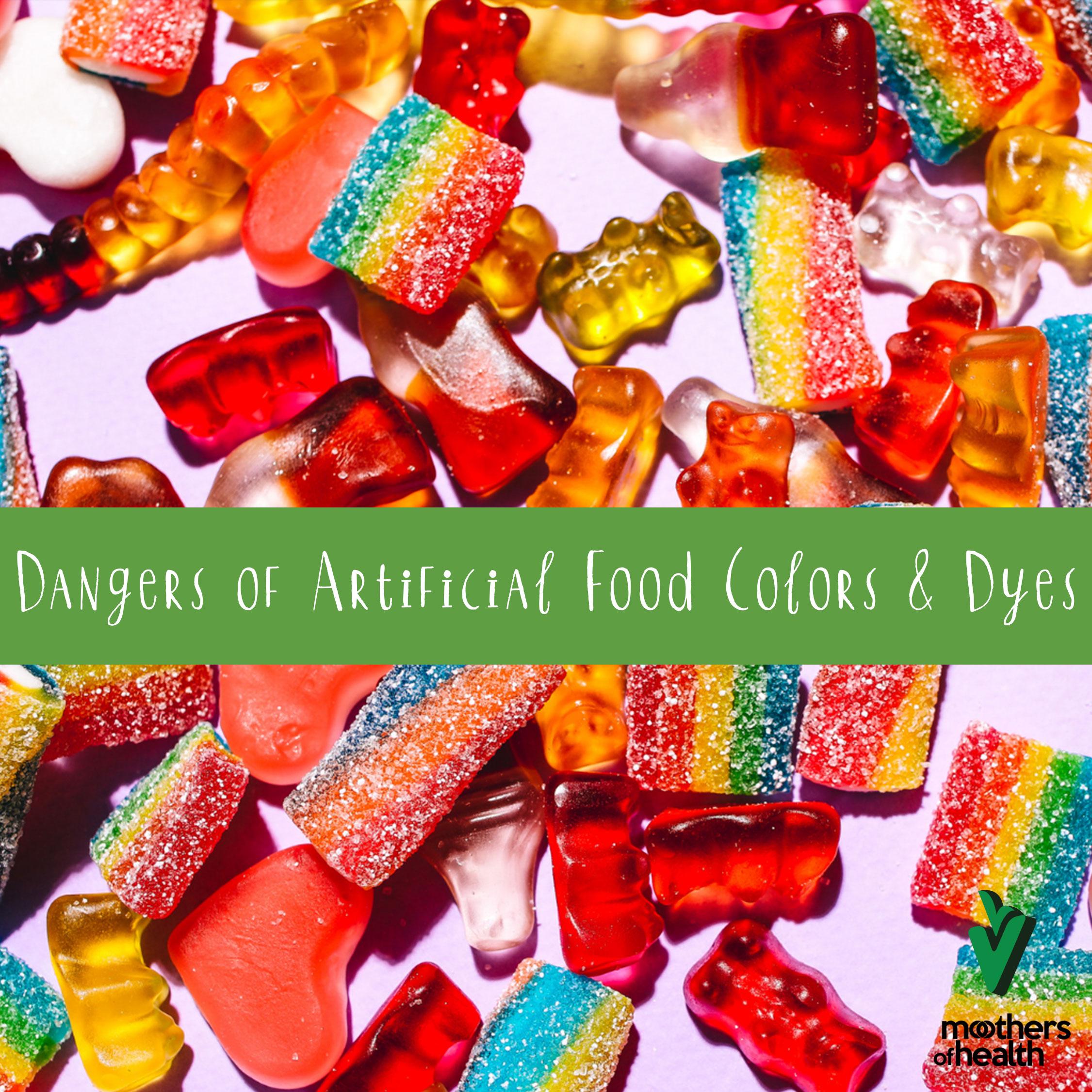
Artificial dyes are prevalent in various food products, designed to enhance appearance and appeal. Understanding the sources of these dyes is crucial for consumers concerned about health and safety. Commonly used artificial dyes include red 40, Yellow 5, and Blue 1, each imparting vivid colors to snacks, beverages, and processed foods. These dyes are primarily derived from petroleum, but their use raises significant health concerns. Research has linked certain artificial colors to hyperactivity in children and other adverse effects, prompting many dietitians to encourage caution when selecting food items.
To mitigate the risk associated with artificial dyes, it is essential to read food labels carefully.Look for products labeled as “dye-free” or containing natural colorants, which are derived from fruits, vegetables, and other plant sources. An increasing number of brands are now opting for alternatives to synthetic dyes, reflecting a growing consumer demand for transparency and health-conscious choices.In an effort to reduce artificial dye consumption, consider cooking at home using whole ingredients or selecting organic options that prioritize natural ingredients. This shift not only enhances nutritional value but also supports sustainability in food production.
Evaluating the Safety of Common Artificial Food Colorings
Artificial food colorings have long been a staple in processed foods, providing a vibrant appeal that attracts consumers, particularly children. However, the safety of these additives has been the subject of ongoing debate among health professionals. Recent studies have raised concerns about potential links between certain artificial dyes and adverse health effects, including hyperactivity in children and allergic reactions. Health organizations, including the FDA and WHO, evaluate these colorings regularly, but the conclusion often rests on specific dyes and their concentration levels in consumed products.
Dietitians emphasize the importance of evaluating labels and being informed about the ingredients in packaged foods. Here are key points that consumers should consider:
- Common Dyes: Popular artificial colorings include Red 40, Yellow 5, and Blue 1, each with varying degrees of scrutiny.
- health Implications: Some studies suggest that natural alternatives, such as beet juice or turmeric, can be safer options.
- Regulatory Guidelines: While many artificial dyes are approved for use, continuous monitoring is essential as new research emerges.
Strategies for Reducing Artificial Dye Consumption in Your Diet
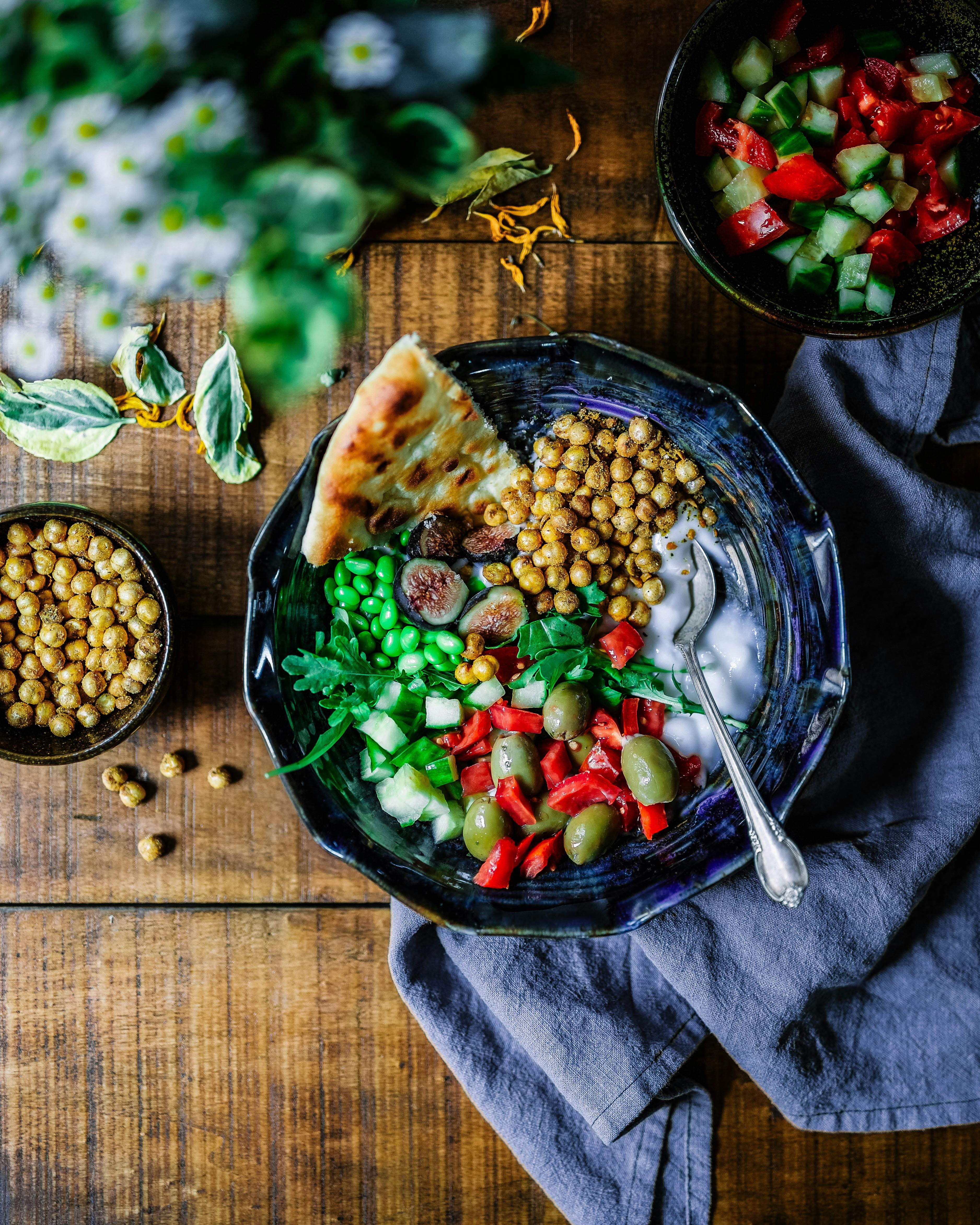
reducing artificial dye consumption in your diet is essential for promoting better health and well-being. To begin this journey, consider educating yourself on food labels. Always check for terms such as “FD&C Yellow No. 5” or “Red 40,” as these are indicators of artificial dyes. Emphasizing whole foods in your meals can also help minimize dye intake; fresh fruits, vegetables, whole grains, and proteins are typically free from such additives.Additionally, exploring the world of natural alternatives to artificial colors can be enlightening.Options like beet juice,turmeric,and spirulina not only add vibrancy but also bolster your nutrition.
Another effective strategy is to prepare meals at home, which allows you to control the ingredients and avoid processed items that are high in artificial dyes. Incorporating more fresh herbs and spices can not only enhance flavor but also enrich your dishes without relying on synthetic additives. Consider making gradual changes to your recipes, perhaps substituting dyed products with naturally colored ones, which can provide more health benefits. Adopting these practices empowers you to make informed choices that contribute to a healthier lifestyle, reducing reliance on artificial dyes in your daily meals.
To Wrap It Up
as the conversation around artificial dyes continues to evolve,its clear that dietitians play a crucial role in guiding consumers towards informed choices. With their expertise, they highlight the potential impacts of these additives on health and well-being, urging individuals to scrutinize food labels and embrace a more natural diet wherever possible.As awareness grows, so does the advocacy for transparency in food production.By staying educated and asking the right questions, consumers can take proactive steps in their nutritional journey, ensuring that the foods they enjoy align with their health goals. As we look to the future, it’s essential to recognize the importance of making informed dietary decisions, for the sake of both health and informed consumerism.


